Are you longing for a life away from the noise, distractions, and demands of city living? Do you yearn for a simpler, quieter existence, one where you can truly connect with nature? If so, you might want to consider off-grid living – a lifestyle that offers independence, self-reliance, and a deep connection to the natural world. This article aims to explore some of the best places for off-grid living and the impact of various climates on this lifestyle.
- Northern Arizona, Concho, and Co Down in Northern Ireland offer diverse landscapes and climates for off-grid living.
- Countries like New Zealand, Costa Rica, and Portugal are ideal for off-grid living due to their support for sustainability and availability of renewable resources.
- Living off-grid in different climates, such as Oregon and Pittsburgh, present unique benefits and challenges.
- Evaluating the feasibility of an off-grid location involves considering factors such as the capacity of local infrastructure, feasibility of renewable energy sources, and availability of water.
Where to find remote and secluded off-grid properties
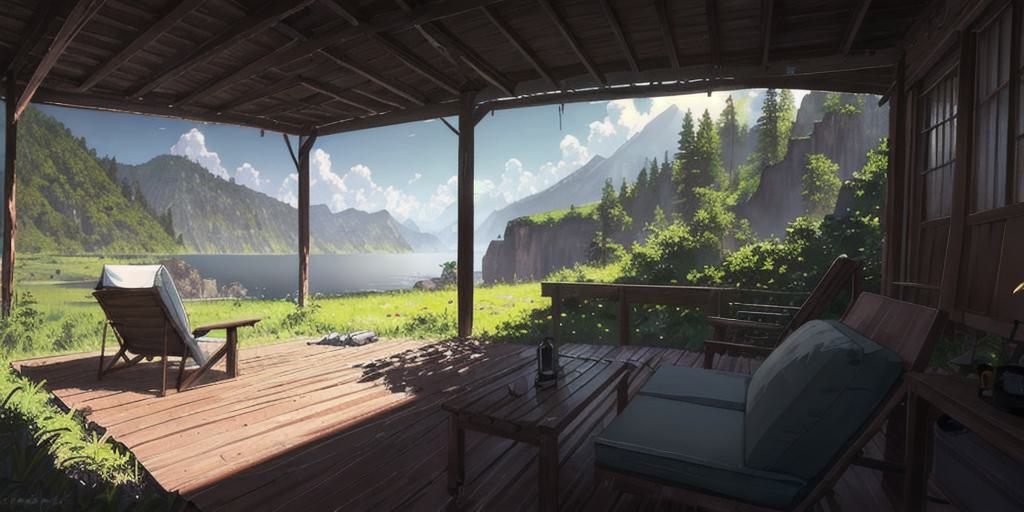
Exploring Off-Grid Locations: Northern Arizona
Picture this: Wide-open spaces, warm sunsets, and a peaceful existence away from the hustle and bustle of the city. If this appeals to you, then Northern Arizona might just be your off-grid haven. With its vast landscapes and abundant sunshine, it’s a prime location for solar energy, a key component of off-grid living. Off-grid cabins in this region offer an authentic, unique living experience akin to the pioneering days of old.
The Appeal of Off-Grid Living in Concho, Arizona
For those with a penchant for desert landscapes, Concho, Arizona presents an interesting proposition. This small town, located in the northeastern part of the state, offers a unique blend of solitude and community. A first-hand account of living off-grid in Concho paints a picture of a self-sufficient lifestyle, combined with a sense of camaraderie among fellow off-gridders. Here you can find a range of property sizes, allowing for flexibility depending on your off-grid aspirations.
Off-Grid Living in Co Down, Northern Ireland
Perhaps surprisingly, our next off-grid locale takes us across the pond to Co Down, Northern Ireland. Here, the Golemboski-Byrne family has demonstrated that living off-grid doesn’t mean sacrificing comfort. With a combination of solar and wind energy and a self-sustaining garden, they’ve created a modern, eco-friendly lifestyle in a rural setting. Their story serves as a testament to the fact that off-grid living doesn’t necessarily mean “roughing it”. Read more about their journey here.
Whether your off-grid dreams take you to the sunny deserts of Arizona or the lush landscapes of Northern Ireland, remember this journey is about creating a life that aligns with your values and aspirations. So take that leap, embrace the unknown, and start shaping the off-grid life you’ve always dreamed of.
Top 5 countries for off-grid living
Wanderlust and Homestead: New Zealand
New Zealand, a country known for its stunning landscapes, might just be your ticket to the off-grid lifestyle. With its well-established culture of sustainability and a government supportive of renewable energy, it is an ideal destination for those seeking a greener life. Here, you can find off-grid communities thriving amidst breathtaking scenery. From the rugged mountains to serene beaches, there is a spot for every off-grid dreamer. This country is a haven for those seeking to grow their own food, harness solar power, and live closer to nature.
Off-grid Oasis: Costa Rica
A tropical paradise known for its commitment to conservation and renewable energy, Costa Rica is a dream come true for the off-grid enthusiast. The country is a leader in sustainability, with nearly 98% of its electricity coming from renewable sources. Communities here have embraced off-grid living, setting up homesteads in the lush rainforests and along the stunning coastlines. Costa Rica also boasts a diverse ecosystem that allows for year-round cultivation of a variety of crops. Read more about the legalities and possibilities of Costa Rican off-grid living here.
European Off-Grid Charm: Portugal
Europe isn’t typically the first place that comes to mind when considering off-grid living, but Portugal might change your mind. Known for its warm climate, affordable property prices, and fertile soil, it’s a great location for those looking to live a self-sufficient lifestyle. Moreover, Portugal has a rapidly growing community of off-gridders, offering a supportive environment for newcomers. With stunning landscapes ranging from the rolling hills of Alentejo to the beaches of the Algarve, you can find your perfect off-grid spot. Discover available off-grid properties in Portugal here.
The journey to off-grid living is as much about the destination as it is about the lifestyle. Whether you’re drawn to the verdant landscapes of New Zealand, the biodiversity of Costa Rica, or the European charm of Portugal, remember that the aim is to create a life that resonates with your inner ethos of freedom, sustainability, and connection to nature.
The pros and cons of living off the grid in different climates
Adapting to the Wilderness: Oregon
The tapestry of Oregon’s climate is a rich one, offering a variety of landscapes for those seeking the off-grid life. The western part of the state is graced with a temperate and rainy climate, ideal for those who dream of plump gardens and lush forests. On the other hand, the semi-arid climate of eastern Oregon is a haven for ranchers and those who find solace in the stark beauty of the desert. Discover more about the diverse climates of Oregon here.
The pros of living off the grid in Oregon include a wide range of geographical options, diverse ecosystems for gardening, and the availability of renewable energy sources such as wind and hydropower. However, the cons may include a higher cost of living compared to other states and stringent building codes that may limit off-grid construction.
Urban Off-Grid: Pittsburgh
Who says you can’t live off the grid in the city? Pittsburgh is proving that urban off-grid living is not only possible but can be surprisingly rewarding. With modern technology, residents like John Stolz are harnessing solar energy to power their homes, demonstrating that a commitment to sustainable living doesn’t require a cabin in the woods. Read more about John’s experience here.
The benefits of urban off-grid living include access to city resources, cultural diversity, and the potential to influence a larger community towards sustainable living. However, challenges may include navigating city regulations, limited space for gardening, and higher living costs.
Embracing Solar Power: The Pros and Cons
Solar power has become a game-changer for those seeking to live off the grid, making it possible to generate clean and renewable energy virtually anywhere. However, the efficiency and effectiveness of solar power can vary significantly depending on factors like geographic location, roof orientation, and current electricity usage. Learn more about these factors here.
On the bright side, solar panels are more affordable and efficient than ever, offering significant savings over time. They can also increase the value of your home by up to 4.1%. On the downside, solar panels may not be as effective in areas with limited sunlight. Additionally, the initial investment can be high, and the process of installing and maintaining solar panels requires a certain level of commitment and effort.
How to evaluate the feasibility of an off-grid location
Grid Independence: Factors to Consider
As we embark on the quest for grid independence, we must weigh the factors that could potentially make or break our off-grid dreams. The journey begins by understanding the terrain of your chosen location. The cost of transporting goods, the proximity to markets, and the capacity of the local infrastructure are all critical considerations. But let’s go deeper. Read more on how location selection process works here.
Power Considerations: Off-Grid Energy Solutions
The Ramona Band’s experience reveals the potential and pitfalls of off-grid energy. Their remote location made traditional power lines untenable, leading to the decision to develop an off-grid energy system. This pioneering step towards self-sufficiency involved securing grants, constructing an ecotourism center, and installing a hybrid energy system. Their journey serves as a testament to the viability of off-grid living, emphasizing the importance of renewable energy as a cost-effective, long-term solution. Discover more about Ramona Band’s off-grid journey here.
When considering your own off-grid energy solution, it’s essential to evaluate the feasibility of different power sources. Solar power, for instance, can be a game-changer, but its effectiveness will depend on several factors. A grid tie solar system calculator can help estimate the size, cost, and benefits of a solar system. Remember, while calculators provide an excellent starting point, it’s crucial to consult with professionals for a comprehensive evaluation and guidance. Learn more about how a grid tie solar system calculator works here.
Adaptability: Essential for Off-Grid Living
Adaptability is key when living off the grid, and not just in the physical sense. It’s about being flexible in our thinking, open to new experiences, and willing to learn from others. For instance, the Bangladesh Delta Plan 2100 offers valuable insights into the integration of various sector plans and policies, changing the individual sector approach of project planning to a multi-lateral coordinated approach. Discover more about Bangladesh Delta Plan 2100 here.
Living off-grid is more than just a lifestyle choice; it’s a commitment to sustainable living and a testament to human resilience and adaptability. Ultimately, the feasibility of an off-grid location will depend on a combination of factors, including the feasibility of renewable energy sources, the capacity of the local infrastructure, and most importantly, your willingness to adapt and learn.
The importance of access to water for off-grid living
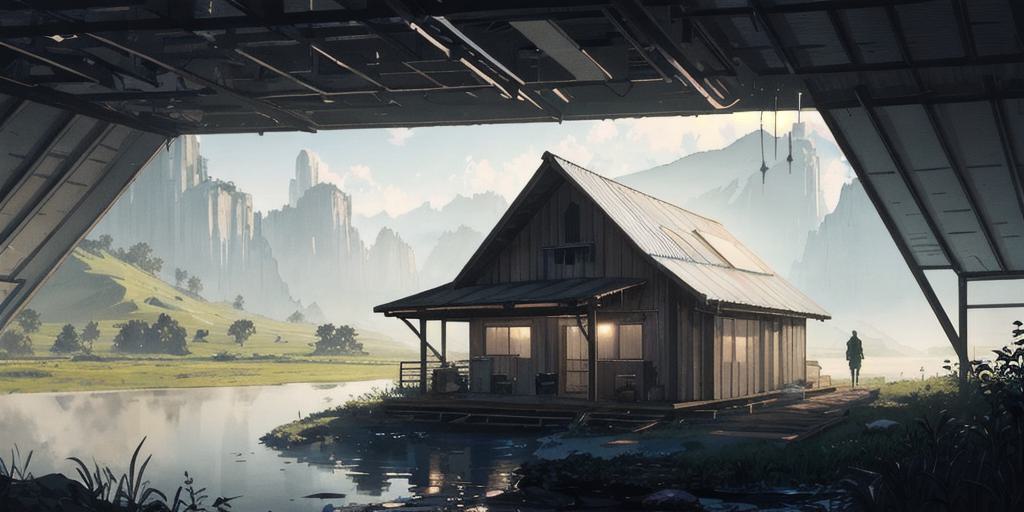
The Lifeline of Off-Grid Living: Water
Let’s dive into the lifeblood of our existence and our off-grid lifestyle: water. As the ancient saying goes, ‘Water is life’. Indeed, it’s essential for survival, agriculture, hygiene, and a myriad of other uses. Learning how to supply oneself with fresh and drinkable water is one of the most crucial aspects of living off-grid.
Water Sources: From Rain to Rivers
When we talk about water access, we’re talking about a variety of sources. This could be a lake, a well, a river, or simply rainwater. But it’s not just about availability; it’s also about reliability. Can you depend on this source year-round? Are there changes in the quality or quantity of water during different seasons? These are critical factors to consider. For instance, if you’re depending on a lake or river, you need to account for droughts. And if you’re relying on rainwater, what happens in the dry season? Off-grid living encourages us to be resourceful, to harmonize with nature’s ebb and flow.
Water Management: Collection, Storage, and Purification
Once you have identified your water source, the next step is managing it. Rainwater harvesting systems, for example, can range from simple barrels to more complex setups with filtration and storage. Rooftop harvesting could be a viable option, where water from rooftops or other surfaces is collected and stored for various purposes such as irrigation, toilet flushing, or laundry. This technique not only promotes self-sufficiency but also water conservation.
Storage is crucial, especially if your main source is rainwater. You need to be prepared for dry spells, so having a sizeable storage system is a must. But remember, stored water can become a breeding ground for bacteria, so regular cleaning of storage tanks is essential.
And then there’s purification. Lakes and rivers may contain bacteria, parasites, or pollutants, so you’ll need to sterilize this water before consumption. Various methods from boiling and distillation to using water purification tablets or advanced filtration systems can be employed.
Moving closer to nature doesn’t mean compromising on our basic needs. In fact, it offers a chance to be more attuned to our environment, to be more resourceful, and to appreciate the abundance of nature. Embracing off-grid living is about creating a sustainable lifestyle that’s in harmony with our surroundings. So, as you plan your off-grid journey, remember the importance of water. As with many things in life, it’s not just about access; it’s about management and sustainability.
The role of renewable energy in off-grid living
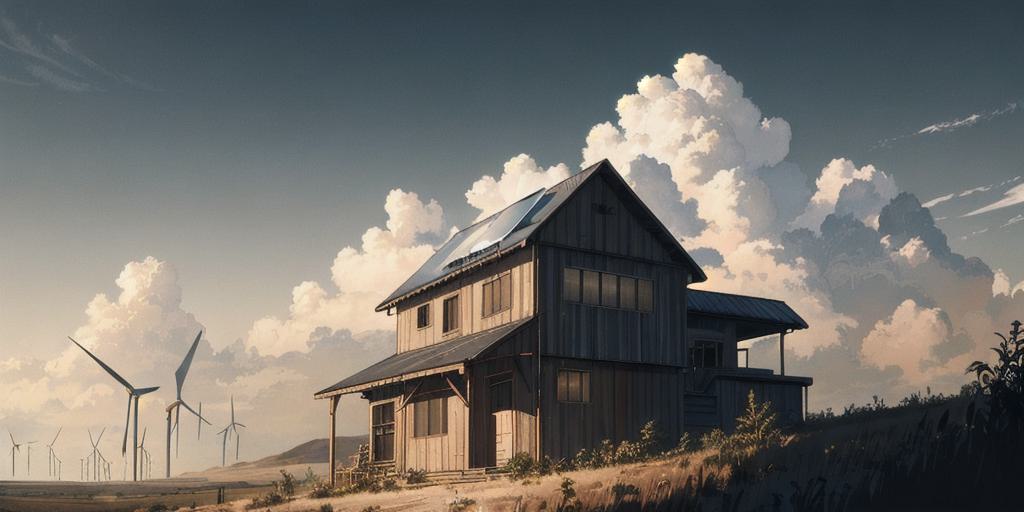
Powering Your Off-Grid Adventure: Embracing Renewable Energy Systems
The journey to self-sufficiency isn’t merely about seclusion; it’s about creating a sustainable lifestyle that melds seamlessly with the environment. Harnessing energy from Mother Nature to power your off-grid life is not only eco-friendly, but it also aligns with this ethos of harmonious coexistence. Off-grid renewable energy systems are more than alternatives; they’re the life force that powers this adventurous lifestyle.
Decentralized Energy Systems: The Power to Live Freely
Off-grid living is about seeking freedom. Freedom from dependence on municipal services, freedom from the noise and pollution of urban life, and the freedom to live in sync with nature. Decentralized energy systems, like solar panels and wind turbines, offer this sense of freedom. By harnessing renewable resources, these systems become a reliable source of power, no matter where your adventure takes you.
Imagine a world where the sun isn’t just a source of light and warmth, but a provider of energy for your home. Or a world where the wind doesn’t just rustle the leaves, but powers your devices. This isn’t just a dream, it’s a reality for off-grid dwellers. Solar energy, wind power, and even biogas are not just viable; they’re sustainable, clean, and in harmony with the environment.
Staying Connected: Renewable Energy Meets Internet Access
While off-grid living can mean breaking away from some aspects of modern life, it does not mean complete isolation. The internet has become an integral part of our lives, and off-grid dwellers are no exception. Whether it’s to stay connected with family, manage a remote business, or stay informed, Internet access is crucial. With renewable energy systems and technologies like Internet VSAT, off-grid dwellers can have reliable, high-speed internet connectivity without disturbing their symbiosis with nature.
It’s not just about staying connected; it’s about doing it sustainably. The internet need not be a drain on your resources. Solar-powered internet systems, for instance, provide a reliable connection without straining your energy reserves. In the world of off-grid living, your online presence can be as green as your lifestyle.
Living off the grid is a journey of discovery and adaptation. It’s about learning to live with nature, not against it. As the world moves towards renewable energy, off-grid dwellers are leading the charge, showing us that it’s possible to live comfortably and sustainably without being plugged into the grid. It’s a testament to human innovation and our ability to adapt to our environment. And at the heart of it all is renewable energy, empowering us to live freely and sustainably.
How to find affordable off-grid land and homes
Embracing the Off-Grid Adventure: Affordability is Key
When it comes to off-grid living, the key question is affordability. We’re not just talking about the cost of the home, but the land it sits on, the infrastructure needed to sustain life, and the ongoing costs of living. It’s not enough to simply dream of a cabin in the woods; you need a feasible, practical plan to make it a reality.
But how does one secure affordable off-grid land and homes? The first step is understanding that the value of land varies drastically from one location to another. For instance, Big World Homes in Australia is disrupting the housing market with their flat-packed, off-grid homes that range from $45K to $60K. And in the US, Morgan Stanley has declared the dawn of the off-grid era, with the falling prices for renewable energy equipment and rising prices for energy supplied by power companies, according to The Guardian.
Location, Location, Location: A Global Perspective
While the concept of off-grid living is global, the reality is deeply tied to location. For instance, land prices in the sunny state of Arizona may differ vastly from a state in the cloudy Pacific Northwest. In the UK, off-grid living is growing, albeit more slowly due to high land prices and restrictive planning permissions, but there are encouraging signs of progress.
Moreover, the geographical location of your off-grid home will also determine the sources of renewable energy available to you. For instance, a sunny state like Arizona might be perfect for solar energy, while a windy hilltop in Scotland might be more suited to wind turbines.
Off-grid properties in North and Eastern Arizona offer a rustic retreat with a variety of sustainable features like solar panels and a rainwater collection system. The affordable pricing, coupled with the stunning natural setting, make these properties an attractive option for potential off-grid dwellers.
Dive Deep, Research Thoroughly: The Path to Off-Grid Living
While the prospect of off-grid living can be exciting, it’s crucial to approach it with a strategic mindset. Research the legal requirements for off-grid living in your desired location. Investigate the cost and feasibility of various renewable energy systems. Explore the availability and price of land. Understand the challenges and benefits of off-grid living.
Off-grid living is more than a lifestyle; it’s a commitment to a sustainable future. It’s about harnessing the power of renewable energy, reducing your carbon footprint, and living in harmony with nature. It’s about freedom from dependence on public utilities, and the empowerment that comes from self-sufficiency.
As we move forward into this brave new world of off-grid living, remember that the journey is just as important as the destination. Embrace the adventure, relish the challenge, and enjoy the ride.
The impact of off-grid living on mental health and wellbeing
The Healing Nature: Off-Grid and Mental Wellbeing
The journey to off-grid living is not just a geographical shift, but a mental and emotional transformation. As we disconnect from the humming wires of the grid, we unplug from the constant buzz of society’s demands, allowing our minds space to breathe. According to outdoor retailer L.L.Bean, nature serves as a powerful antidote to life’s stresses, with research affirming the mental health benefits of spending time outdoors.
Off-grid living, with its inherent connection to nature, invites us to step outside, to soak up the sun, to feel the wind against our skin, and to listen to the song of the birds. It’s an immersive experience that encourages greater creativity, reduces stress levels, and fosters a sense of self-esteem. It’s a lifestyle that provides the opportunity for mental wellbeing to flourish.
Off-Grid Living: A Path to Self-Sustainability & Self-Discovery
When we talk about off-grid living, we often focus on the tangible aspects – the solar panels, the rainwater collection systems, the vegetable gardens. But let’s not forget the profound journey of self-discovery that comes with this lifestyle shift. Off-grid living is about becoming self-sustainable, not just in terms of resources, but emotionally and psychologically as well.
As we learn to rely on ourselves for our basic needs, we also learn to listen to our internal rhythms, to understand our emotional ebbs and flows, and to cultivate resilience in the face of challenges. This journey towards self-sustainability can be empowering, fostering a sense of self-efficacy and independence that can greatly enhance mental wellbeing.
Embracing the Off-Grid Lifestyle: A Wellness Revolution
Off-grid living is not just a trend, it’s a wellness revolution. It’s a call to step away from the fast-paced, high-stress lifestyle that has become the norm, and to embrace a way of living that prioritizes mental wellbeing. It’s about creating a lifestyle that aligns with our values, that respects our mental and emotional health, and that fosters a deep connection with the natural world.
As more people awaken to the benefits of off-grid living, we’re seeing an evolution in societal attitudes towards mental health. The narrative is shifting from a focus on mental illness to a focus on mental wellness, from treating symptoms to promoting holistic health. And in this wellness revolution, off-grid living stands as a beacon of possibility, a testament to the healing power of nature and the resilience of the human spirit.
The challenges of living off-grid in extreme weather conditions
Unpredictability: The Unseen Companion of Off-Grid Living
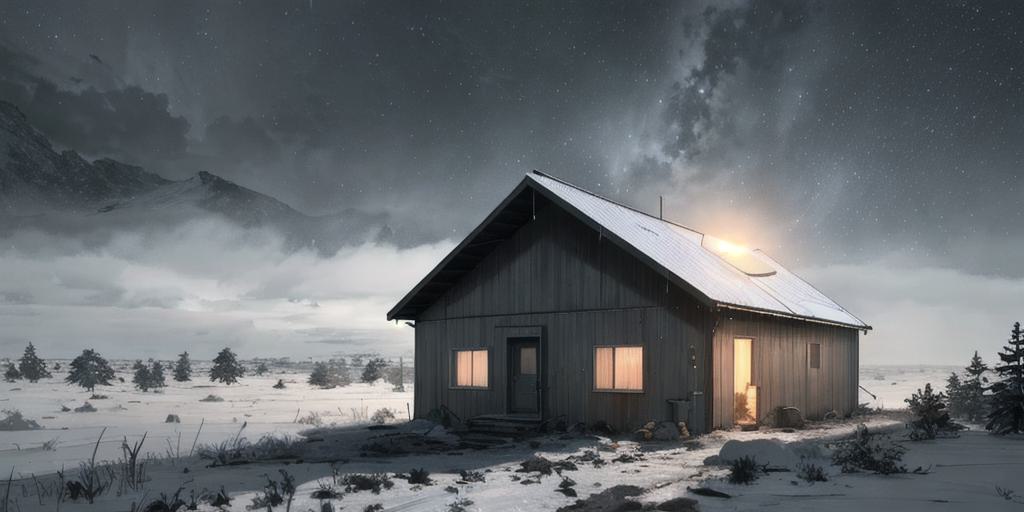
Embracing the off-grid lifestyle is a liberating journey, a dance with nature where we learn to flow with its rhythm. However, as the rhythm becomes increasingly unpredictable, one must adapt and innovate. Recent shifts in the global climate have brought about extreme weather conditions worldwide. From floods in Bangladesh, prolonged hot weather in Europe, to hurricanes in the States, the weather can be as capricious as a roll of dice. When it comes to off-grid living, this unpredictability necessitates a heightened sense of security and preparedness, whether you’re on an expedition, a trip, or even at home.
Innovation: The Key to Extreme Weather Preparedness
As the saying goes, necessity is the mother of invention. In this case, the necessity to grapple with extreme weather conditions has led to the creation of innovative solutions, such as the power supply station by Ampace. Equipped with a hybrid LiFePO4 battery, this device offers superior thermal and structural stability, capable of withstanding high temperatures without combusting or decomposing. And the best part? It’s non-toxic. With an edge over regular lithium-ion batteries in terms of cycle life and safety, this power supply station embodies the essence of durability and reliability.
Furthermore, the Ampace P600 is designed with a drop-proof uni-body structure and high-standard electric components for enhanced durability. It can achieve 1000+ charge and discharge cycles, ensuring you’re never without power in even the most extreme conditions. Being able to charge up to 11 devices, jump-start your car, and keep your essentials running when the lights go out is not just useful, but increasingly essential in today’s climate.
Internet Connectivity: The Lifeline in a Wilderness of Challenges
As we traverse the path of off-grid living, we must not underestimate the significance of staying connected. With the advent of Internet VSAT, a satellite-based communication system, off-grid dwellers can now enjoy reliable and high-speed internet connectivity in remote locations. This technology provides a lifeline, allowing individuals to maintain relationships, access vital resources, handle emergencies, and manage their finances while living off the grid.
Living off-grid in extreme weather conditions is a journey fraught with challenges, but it’s also an opportunity to innovate, adapt, and grow. With the right tools and mindset, we can not only survive but thrive. So, as we step into this wilderness of challenges, let’s remember that every challenge is an invitation to adapt, every hurdle a prompt to innovate, and every setback a nudge towards resilience.
The potential of off-grid living for sustainable living and environmentalism
The Unleashing of Innovation: A Key Towards Sustainable Off-Grid Living
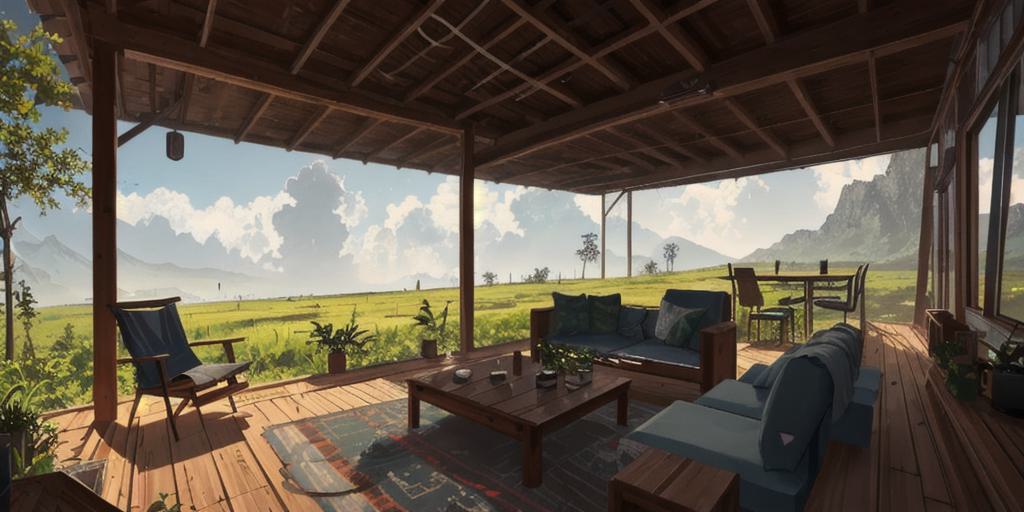
Off-grid living is not just about survival, but about thriving, and the key to this thriving lies in the great unleashing of innovation. When we look at the world with a mindset of possibilities, we can tap into the potential of what we can create. A superb example of this is PassivDom, a company that is pushing the boundaries of sustainable living by creating 3D printed homes that are completely autonomous, capable of withstanding extreme temperatures, and transportable to any location.
PassivDom’s homes embody the spirit of self-reliance that is at the core of off-grid living. They are not just structures; they are manifestations of a mindset that values freedom, independence, and resilience. These homes challenge the narrative of what it means to live sustainably, demonstrating that we can live in harmony with nature without compromising on modern conveniences.
Conscious Living: The Heart of Sustainability
Another important aspect of sustainable off-grid living is conscious living. It’s about living in harmony with nature and making decisions that are mindful of our environmental impact. The Sustainable Living Program at Maharishi University of Management is a prime example of this. This program integrates the teachings of sustainability into all areas of life, equipping students with the knowledge and skills to build and maintain sustainable communities.
Conscious living is about recognizing that our actions have consequences, and making choices that are in alignment with our values. It’s about thinking beyond our immediate needs and considering the long-term impact of our actions. It’s about choosing to live in a way that not only benefits us, but also benefits the planet.
Resilience: The Backbone of Off-Grid Living
Living off the grid requires a certain degree of resilience. This resilience is not just physical, but also mental and emotional. It’s about being able to adapt to changing circumstances, to learn from challenges, and to find solutions when problems arise. Resilience is about having the strength to endure, but also the flexibility to change.
Off-grid living is an embodiment of resilience. Whether it’s figuring out how to grow your own food, sourcing clean water, or maintaining internet connectivity, off-grid living requires us to be resourceful and adaptable. It’s about finding ways to live in harmony with nature, rather than against it. And in doing so, we not only build stronger, more resilient communities, but we also contribute to a more sustainable and equitable world.
Manifesting the Off-Grid Lifestyle: A Symphony of Sustainability and Harmony
Setting forth on an off-grid adventure is not about escaping from society, but about creating a harmonious blend of independence, resourcefulness, and deep respect for the natural world. In the symphony of life, off-grid living is a soulful melody of sustainability and resilience.
From the sun-kissed plains of Northern Arizona to the verdant landscapes of Northern Ireland, diverse terrains offer unique opportunities for off-grid living. Countries like New Zealand, Costa Rica, and Portugal provide a supportive environment for this lifestyle, bolstered by a strong culture of sustainability. However, the journey is not without challenges. Adapting to different climates, from the wilderness of Oregon to urban Pittsburgh, requires ingenuity and resilience.
The cornerstone of off-grid living is an unwavering commitment to sustainability. This is manifested through a keen focus on renewable energy, water management, and the conscious use of resources. From diversified energy solutions such as solar power and wind turbines to innovative water collection and purification systems, off-grid living is a testament to human innovation and adaptability.
Moreover, the feasibility of an off-grid location is closely tied to the availability of basic amenities like water and the potential for renewable energy. Yet beyond these tangible aspects, it also requires a willingness to learn, adapt, and grow.
As we delve deeper into the realm of off-grid living, the potential for affordable, eco-friendly homes becomes apparent. With the rise of companies like PassivDom, the dream of a self-sustaining, autonomous home is now a reality. Not only does this provide a practical solution for off-grid living, but it also challenges conventional notions of what a sustainable lifestyle looks like.
The off-grid lifestyle is not just about physical sustainability, but mental wellbeing too. The serenity of nature, coupled with the sense of achievement from living a self-reliant lifestyle, can have a profound impact on mental health. Yet, it’s essential to stay connected and maintain a support system, even while living off the grid.
In a world grappling with environmental issues, off-grid living presents a compelling model of sustainable living. It showcases the potential for a life that is in harmony with nature, yet equipped with modern amenities. It’s not just a testament to human resilience and innovation, but a beacon of hope for a sustainable future.
As we conclude, it’s vital to remember that off-grid living isn’t a retreat – it’s a revolution. It’s a journey of self-discovery, of pushing boundaries, and of living consciously. Whether you’re dreaming of a cabin in the woods or a 3D printed home, remember that this journey is as much about the destination as it is about the lifestyle. So, take the leap, embrace the unknown, and start shaping your off-grid life.