Harnessing the sun’s power to regulate your home’s temperature is not only a move towards eco-friendly living, but it’s also a step towards self-sufficiency. Passive solar design leverages principles of thermodynamics – conduction, convection, and thermal radiation – to optimize heat gain and loss according to local conditions. The key lies in understanding your local climate and the sun’s trajectory, and designing your home to be responsive to these elements.
- Passive solar design is an energy-efficient approach that reduces dependence on utilities.
- Understanding local climate and solar trajectory is crucial for an effective passive solar design.
- There are distinct differences between passive solar design and passive house design – understanding these can guide your choice for an energy-efficient lifestyle.
Understanding the Principles of Passive Solar Design
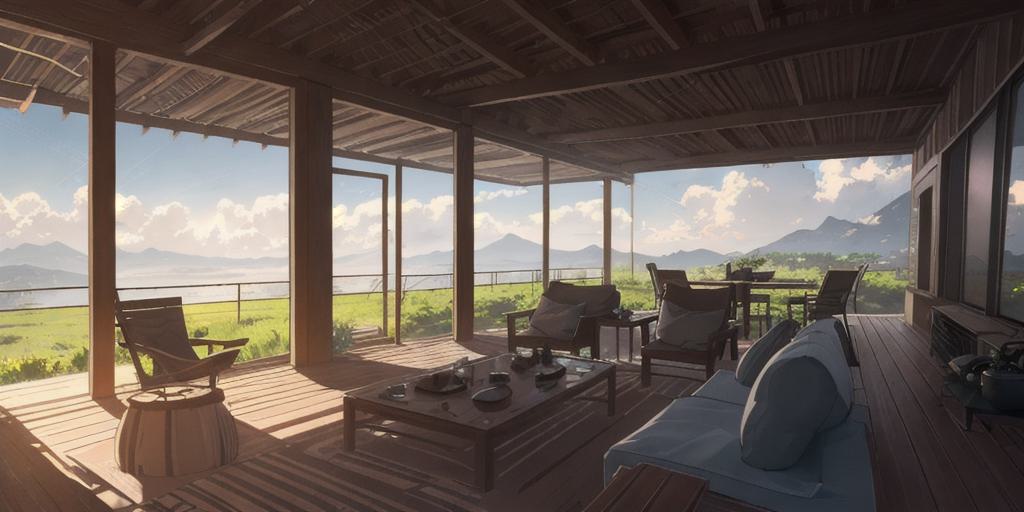 Embracing the Power of the Sun: The Thermodynamics of Passive Solar Design
Imagine harnessing the power of the sun to regulate the temperature in your home, creating a comfortable environment while leaving a minimal carbon footprint. Passive solar design does precisely this, utilizing the principles of thermodynamics – conduction, convection and thermal radiation – to optimize heat gain and loss in line with local conditions. This approach to energy efficiency is not just about eco-conscious living; it’s a smart move towards self-sufficiency, an escape from the conventional norms of utility dependency.
Understanding Your Local Climate and the Sun’s Trajectory
In the realm of passive solar design, the devil is in the details. Local climate data plays an instrumental role in designing a home that is solar responsive. The temperature fluctuations in your region, the seasonal variations, the trajectory of the sun throughout the year, all of these factors are considered to design a home that can keep you warm in the winter and cool in the summer without breaking the bank on utility bills. A south-facing window, for instance, can be your best friend during the winter months, allowing sunlight to bathe your home interior and provide natural heat.
Passive Solar vs Passive House: Knowing the Difference
While both passive solar and passive house designs aim to create energy-efficient homes, their principles and methodologies are distinct. The passive house design is a calculated method that factors in insulation, air tightness, and heat recovery among other elements to create a low energy home. On the other hand, passive solar design revolves around the home’s orientation in relation to the sun, exploiting the natural heat and light to regulate temperature. Understanding these differences provides a clearer path to choosing the approach that best aligns with your vision of an energy-efficient, self-sufficient lifestyle.
In the grand scheme of things, embracing passive solar design is more than just swapping a 9-5 grind for a lifestyle closer to nature. It is about embracing a philosophy of living, a commitment to sustainability, and a step towards self-reliance. It’s about creating harmony between our habitat and the environment, understanding the rhythm of nature, and using it to our advantage. After all, isn’t that what living ‘off the grid’ is all about?
Benefits of Passive Solar Design in Building
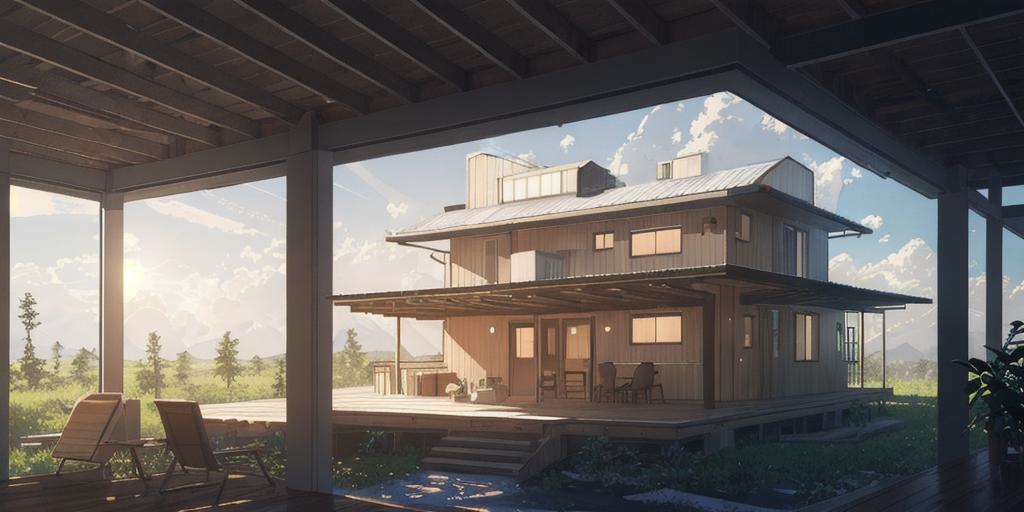 The Art of Landscaping in Passive Solar Design
When we think about escaping the 9-5 grind and venturing into a lifestyle closer to nature, we’re not just talking about building a home. We’re crafting an ecosystem, a living, breathing entity that works with the environment, not against it. This is where the art of landscaping comes into play in passive solar design. Landscaping in passive solar building design is like the conductor of an orchestra, harmonizing the sun’s energy with the home’s thermal needs to create an energy-efficient symphony. Deciduous trees, tall grasses, vines, and even water features can be strategically positioned to regulate the flow and absorption of solar energy. This synergy of nature and design is what makes landscaping a crucial element of passive solar design.
Thermal Mass: The Unsung Hero of Passive Solar Design
Picture this: You’ve spent a long day working in your home office, and as the sun sets, the room begins to cool. But instead of reaching for the thermostat, you feel a gentle warmth radiating from the walls around you. This is the magic of thermal mass, the secret sauce of passive solar design. It’s the capacity of a material to absorb, store, and slowly release heat energy, acting like a natural thermostat that adapts to the changing temperatures. High-density construction materials like clay brick can store the sun’s energy during the day and release it at night when it’s needed most. This intuitive use of thermal mass can drastically reduce heating and cooling bills, making it a win-win for both your pocket and the environment.
Embracing the Challenges of Passive Solar Design
Passive solar design is not a one-size-fits-all solution. It requires a keen understanding of your local climate, the orientation of your home, and the materials you use. The initial cost can be high, and there’s always the risk of overheating in warmer climates. But, as anyone who’s ever embarked on a journey off the grid will tell you, the path to self-sufficiency is rarely without challenges. These challenges, however, are not roadblocks; they’re stepping stones to a lifestyle that prioritizes sustainability, reduces dependence on utilities, and brings us closer to the rhythms of nature.
So, as you embark on your journey to leave the 9-5 grind and embrace a lifestyle that’s in sync with the natural world, remember this: Passive solar design is more than a construction strategy. It’s a philosophy of living, an ode to nature’s intelligence, and a testament to our capacity for innovation and resilience.
Types of Passive Solar Design Techniques
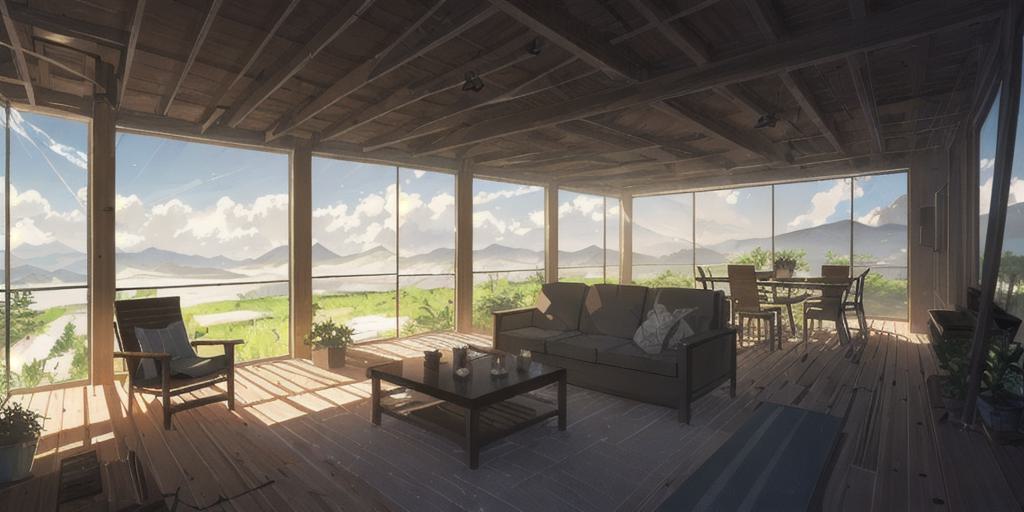 Solar Geometry: The Silent Orchestra Conductor in Passive Solar Design
Imagine the sun as the conductor of a celestial orchestra, its rising and setting, its shifting angles, all choreographing the symphony of light and heat that plays upon our planet. This silent maestro is a key player in the realm of passive solar design. Understanding the sun’s position throughout the year is critical to maximizing solar heat in winter and minimizing it in summer. This awareness allows us to use the dance of light and shadow to our advantage, creating homes that are comfortable, energy-efficient, and harmoniously attuned to the rhythms of the solar symphony.
Active vs Passive Solar: A Tale of Two Techniques
When we talk about solar design, it’s not just the sun doing all the heavy lifting. There are two main characters on this stage: Active and passive solar. Active solar energy involves mechanical devices like solar panels or pumps to convert and distribute solar energy. Passive solar, on the other hand, is the silent ninja of the duo. It works by maximizing the use of natural energy flow without mechanical aids. The two types of heating techniques in passive solar energy are direct and indirect gains. Direct gain refers to solar energy directly heating up a space, while indirect gain involves the storage and distribution of solar energy through certain building materials. It’s a bit like the tortoise and the hare – active solar might sprint ahead with immediate energy production, but passive solar, with its steady, low-maintenance energy gains, wins the race in the long run.
The Five Elements of Passive Solar Home Design
Building a passive solar home is like assembling a jigsaw puzzle, with each piece playing a unique yet interconnected role. The five main pieces of this puzzle are the aperture, the absorber, the thermal mass, the distribution, and the control. The aperture, usually south-facing windows, lets sunlight in. The absorber, often made of dark, heat-absorbent material, soaks up the sunlight. The thermal mass, typically dense materials like masonry or water, stores the absorbed heat. The distribution mechanism then moves the heat around the house. Lastly, the control system, which could be anything from overhangs to electronic devices, manages heat intake. When all these pieces come together, they form a beautiful picture of a home that is not just built in the environment, but built with the environment.
Applications of Passive Solar Design in Residential Architecture
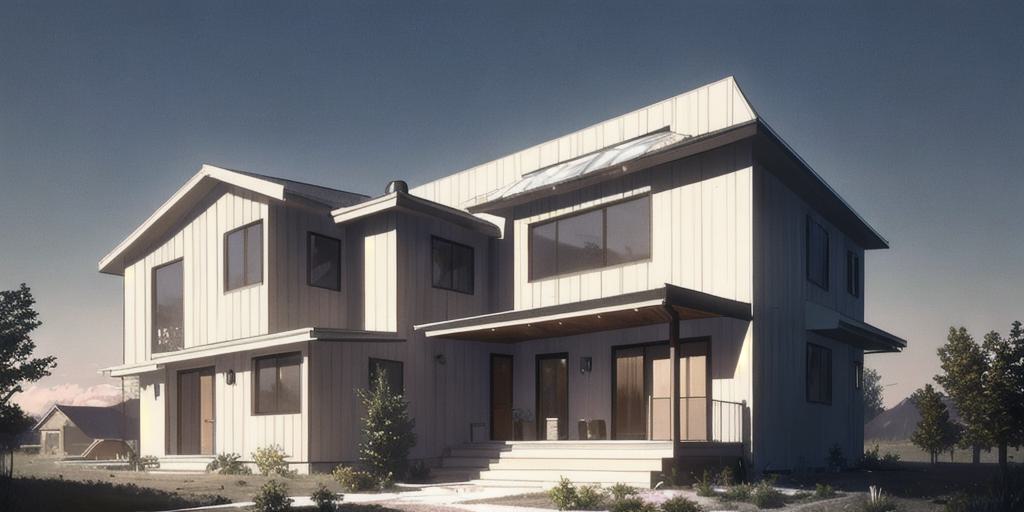 Transforming Your Off-Grid Dream into a Reality with Passive Solar Design
Escaping the 9-5 rut and retreating closer to nature doesn’t mean abandoning the comforts of modern living. It’s about smarter living, and nothing epitomizes this better than passive solar design in residential architecture. The secret to mastering this eco-friendly art lies in understanding the sun’s path and the climate, an approach that’s as natural as the sun rising and setting each day.
From the cold, wind-swept mountains to the scorching desert plains, passive solar design can be applied to create a cozy living environment that’s in harmony with its surroundings. For instance, a house in a cold, windy location benefits from being on a sunny slope, protected from the wind. On the other hand, a house in the desert benefits from protection against solar radiation and the use of thermal mass to stabilize temperature variations between day and night. This fine art of adapting to the climate not only leads to adequate energy efficiency but also connects us intimately with the rhythms of Mother Nature. Strategically located openings allow ventilation, cooling the building’s mass and adding to our comfort.
Living in Harmony with Nature: The Science of Passive Solar Design
Embracing passive solar design offers a chance to reconnect with nature, a relationship that modern living has strained. The passive solar systems, largely dependent on physical principles like conduction, radiation, and heat convection, offer a way to mend that relationship. One such principle is direct gain, a simple yet effective system that harnesses the sun’s energy through glazed surfaces. This energy is then used to warm the building or premises to be heated, offering a low-cost, energy-efficient solution for heating homes.
Another principle is the non-ventilated wall of accumulation, also known as a trombe wall. This wall, constructed from stone, bricks, concrete, or even water, is painted black or a very dark color on the outside to improve heat capture. This system makes use of the greenhouse effect property of the glass, allowing visible light to enter and heat the wall, which emits infrared radiation that cannot penetrate the glass. This results in a warm, cozy interior that’s perfect for curling up with a good book or engaging in deep conversations with loved ones.
Passive Solar Design: A Tool for Financial Freedom
Passive solar design is not just about living closer to nature; it’s also about achieving financial independence. By minimizing reliance on mechanical systems and reducing energy consumption, passive solar design leads to lower operational costs. As governments worldwide place increasing emphasis on energy efficiency, implementing passive design strategies can lead to tax incentives and rebates.
Moreover, eco-conscious buyers are willing to pay a premium for homes with lower operating costs and a smaller environmental footprint. Thus, passive solar design can provide a competitive advantage in the real estate market. It’s a win-win situation: you get to enjoy the fruits of your labor in a comfortable, energy-efficient home while also reaping the financial rewards of your investment. Investing in passive design can also enhance the value of a property and lead to reduced maintenance costs over the life of the building.
In essence, passive solar design aligns perfectly with the ethos of escaping the 9-5 grind: it’s all about living smarter, not harder. Harnessing the power of the sun to create comfortable, energy-efficient homes is a testament to human ingenuity and our ability to live in harmony with nature. It’s a step towards a more sustainable future, offering a path to energy-efficient, environmentally responsible, and financially sound living.
The Role of Thermal Mass in Passive Solar Design
Unearthing the Power of Thermal Mass
Just like a rugged bear hibernating through the winter, the concept of thermal mass in passive solar design is all about storing and releasing energy efficiently. The bear stores fat during the autumn months, using it to survive the winter. Similarly, thermal mass in a building stores heat during the day and releases it when the temperature drops at night. It’s a simple, yet powerful principle of physics applied to sustainable home design.
The notion of thermal mass is nothing new. For centuries, humans have used heavy materials such as brick and stone to moderate indoor temperatures. Yet in our modern quest for quick and cheap construction, we’ve drifted away from these timeless principles, opting for lightweight materials with little thermal mass. As a result, our homes often rely on energy-hungry heating and cooling systems to maintain a comfortable temperature.
Rediscovering Thermal Mass: A Step Towards Sustainability
What if we could leave behind the era of energy-guzzling homes and step into a future where our houses work with nature, not against it? That’s where thermal mass comes in. Just as a study at the University of Newcastle revealed, using heavy materials effectively in wall construction can greatly enhance the thermal performance of a building.
For instance, a well-designed passive solar home with a high thermal mass can store heat from the sun during the day and release it at night. This effectively “flattens the curve” of temperature swings, reducing the need for artificial heating and cooling. It’s a win-win: more comfort and less energy use.
Thermal Mass: The Unsung Hero of Passive Solar Design
To understand the power of thermal mass, imagine you’re building a fire. You don’t just light a piece of paper and call it a day. No, you add logs to the fire, which burn longer and provide more heat. The logs represent thermal mass. In a building, materials with a high thermal mass, such as brick or concrete, absorb heat during the day and release it slowly, helping to maintain a steady indoor temperature.
Thermal mass isn’t a fancy gadget or a high-tech solution. It’s a basic principle of physics, harnessed to make our homes more comfortable and energy-efficient. As we strive to live in harmony with nature, thermal mass reminds us that sometimes, the best solutions are the simplest ones. As Garry Baverstock, an advocate for passive solar buildings, stated in his refresh of ‘solid thinking’, the use of thermal mass materials is not part of the problem with dealing with Climate Change, but rather a part of the solution.
Ultimately, thermal mass is one of many tools in our toolkit for sustainable living. By leveraging these principles, we can design homes that are not only more comfortable and energy-efficient, but also better aligned with the rhythms of nature.
Designing for Solar Orientation and Angle of Incidence
Understanding Solar Orientation: The Dance of the Sun and the Earth
One of the most fascinating aspects of our universe is the relationship between the Earth and the Sun. It’s like a cosmic dance, a graceful ballet of light and shadow, warmth and cold. And, like any good dance, it’s all about timing and position. This is where the concept of solar orientation comes into play.
Solar orientation is about understanding the sun’s path across the sky and aligning our buildings to capture the maximum amount of sunlight. It’s not rocket science, but it does involve a touch of astronomy and a lot of common sense. It’s all about aligning ourselves with the rhythms of nature, becoming more aware of the sun’s path, and using that knowledge to our advantage.
As highlighted in the spherical model of the sun, solar orientation is not as simple as pointing your patio towards the sun and calling it a day. In reality, the sun’s position in the sky changes throughout the day and across the seasons. Thus, a well-designed passive solar building should take into account the sun’s path and the changing angle of incidence — the angle at which sunlight strikes a surface.
Angle of Incidence: The Sun’s Wink and Your Building’s Response
The angle of incidence is a critical concept in passive solar design. It’s the angle at which sunlight hits a surface. When the sun is directly overhead, the angle of incidence is zero, and the surface receives the maximum amount of sunlight. As the sun moves lower in the sky, the angle of incidence increases, and the amount of sunlight hitting the surface decreases.
But how does this apply to your home or building? Well, by understanding the angle of incidence, you can design your building to capture the maximum amount of sunlight in winter (when you want to heat your home) and minimize sunlight in summer (when you want to keep your home cool). It’s all about working with the sun’s rhythms, rather than against them.
For instance, a solar water heater could be designed with an adjustable tilt, allowing it to capture more sunlight in winter and less in summer. This kind of intelligent design doesn’t just make your home more energy-efficient; it also reduces your reliance on fossil fuels and helps you live in harmony with nature.
Designing with the Sun: Harnessing Solar Power for a Sustainable Lifestyle
Living “off the grid” doesn’t mean you have to sacrifice comfort or convenience. In fact, using passive solar design principles, you can create a home that is more comfortable, more energy-efficient, and more in tune with nature than a conventional building.
The key is to understand the sun’s path and how sunlight interacts with your building. By positioning your building correctly, using the right materials, and incorporating elements like solar water heaters or adjustable shades, you can capture, store, and utilize solar energy efficiently.
It’s not about high-tech gadgets or complicated systems. It’s about understanding the basic principles of nature and applying them to our built environment. So, let’s step out of the shadows, embrace the sun, and start designing for a sustainable future.
Insulation and Air Tightness in Passive Solar Design
The Importance of Insulation in Passive Solar Design
When you’re aiming to escape the 9-5 grind and move closer to nature, your house becomes more than just a shelter. It becomes your ally, your partner, your silent guardian. And in this partnership, insulation plays a pivotal role. Think of it as the cozy sweater your house wears to keep the warmth in during winter and the cool in during summer. It’s the barrier that keeps your comfort from escaping through the walls, roof, and floor.
According to a study of passive design in architecture, a well-insulated passive solar house can reduce heating and cooling energy consumption by 75%. That’s a significant reduction in your energy bills, not to mention a big step towards a more sustainable lifestyle.
Air Tightness: The Unsung Hero of Passive Solar Design
Now, let’s talk about the unsung hero of passive solar design: air tightness. This, my friends, is the secret sauce that makes the magic happen. It’s all about creating an airtight envelope for your house, sealing off all potential routes of heat escape.
In the world of energy efficiency, air leaks are the enemy. They let the warm air out in winter and the cool air out in summer, forcing your heating and cooling systems to work overtime. And as we learned from an enlightening article on air-tightness and window design, air tightness is even more important than window design in creating an energy-efficient house.
Marrying Insulation and Air Tightness: The Recipe for a Passive Solar House
So, how do you marry insulation and air tightness? You start by choosing the right materials. Your walls, roof, and floor should be made of materials with high insulation values, such as rigid foam, cellulose, or spray foam. Your windows should be double or triple-glazed, filled with insulating gases like argon or krypton.
But the real magic happens when you seal all the joints, cracks, and gaps. This is where air tightness comes into play. By using sealants like caulking and weather-stripping, you can create an airtight envelope that keeps your conditioned air inside and the elements outside.
And voilà! You now have a house that captures the sun’s energy, stores it, and uses it to maintain a comfortable indoor temperature. It’s not rocket science, but it’s close. It’s the art of working with nature, of harnessing the sun’s power, and of living in harmony with the elements. It’s the essence of passive solar design.
The Importance of Window Placement in Passive Solar Design
Windows: The Eyes to your Energy Efficiency
Our homes are more than mere structures. They are our sanctums, our havens, our allies against the elements. And in the quest to unite with nature, while creating an energy-efficient home, the role of windows is paramount. Like the eyes of your home, they govern how much light and heat come in and out, playing a crucial role in controlling your house’s thermal dynamics.
So, let’s ingrain this in our minds: Window placement isn’t an afterthought. It’s a strategic move, a critical step in the chess game of passive solar design. It’s about letting in the right amount of sunlight at the right time, turning your house into a natural thermostat.
Playing the Game of Light: The Solar Dance
Imagine a house that knows when to soak up the sun and when to remain cool in its shadow. That’s the beauty of passive solar design. It’s about choreographing a dance with the sun, a dance that changes with the seasons and the time of day.
In winter, your windows should let in the low-hanging sun, bathing your house in warmth. In summer, they should block the high-arching sun, keeping your house cool. It’s a game of angles, a play of light and shadow. As Casey and Natasha, a couple who built a passive solar home near Ottawa, Ontario, Canada, put it, it’s about “orienting their house to face south, installing overhangs that block the sun to keep it cool during summer months and allow the sun to enter and heat the house during winter months”.
Now, you may be wondering: How do I play this game? How do I choreograph this dance? The answer lies in thoughtful design and calculated placement, in understanding your local climate and leveraging it to your advantage.
Crafting the Ideal Window: Materials and Design
Creating energy-efficient windows isn’t just about placement. It’s also about choosing the right materials and design. The type of window frame, the number of glazing layers, the use of low-emissivity (low-e) coatings—all these factors impact your window’s insulating properties.
Let’s break it down. Your window frame should be made of materials that provide good insulation, like vinyl, wood, or fiberglass. Your glazing layer (the glass part of your window) should be double or triple, filled with insulating gases like argon or krypton. And your window should have a low-e coating, a thin film that reflects heat back to its source, keeping your house warm in winter and cool in summer.
But the real clincher is the design. Remember, it’s not just about letting the sun in. It’s about controlling how much sun gets in and when. That’s where overhangs come into play. They’re like the eyelids of your house, opening and closing with the seasons to regulate the amount of sunlight that enters your home. It’s a simple, elegant solution to a complex problem, a testament to the power of passive solar design.
Passive Solar Design in Climate Zones with Extreme Temperatures
Surviving the Heat: Passive Solar Design for Extreme Temperatures
In the grand scheme of sustainable living, passive solar design is a potent ally. But what about when Mother Nature turns up the heat, or when Jack Frost comes nipping at your nose? How does passive solar design hold up in climates with extreme temperatures? Let’s break this down.
Embracing the Sun: Passive Solar Design in Hot Climates
Let’s take a journey to Bullhead City, Arizona, a place where the air temperature often shoots up higher than in tropical locales. It’s an environment where relief from the sweltering heat is scarce, and residents tend to seal their homes against the oppressive outside temperatures. In such a scenario, how does one leverage passive solar design?
The answer lies in creative problem-solving and a dash of counterintuitive thinking. This is where the design aspect of passive solar design comes into play. You see, in a hot, arid climate, the main idea is to alleviate the uncomfortable conditions created by the extremes of heat and dryness. This involves shading and insulating the house against the heat of the day and flushing out any stored heat during the cooler nights.
Imagine a house in the desert, a seeming mirage under the scorching sun. Yet, this house remains cool, its occupants comfortable. How? Thanks to a strategic play of shadows and insulation, and a well-thought-out design that minimizes direct solar gain. A house like this exists, an “Industrial Style” Country home, a testament to the power of passive solar design in hot climates.
Warding Off the Cold: Passive Solar Design in Cold Climates
Now, let’s teleport to the other end of the thermometer, to the cold, biting winters of the Midwest, where the Hershey Montessori School’s Upper School stands as a beacon of passive solar design. In this climate, the strategy flips. The goal is to maximize solar gain, to exploit the sun’s energy for heating purposes. This involves continuous insulation through the building’s entire envelope, high-performance triple-pane windows, and balanced heat- and moisture-recovery ventilation.
The result? An ultra-low energy building that requires little energy for space heating or cooling, a structure that stands resilient in the face of extreme conditions. It’s a testament to the adaptability of passive solar design, a reminder that, with the right approach, we can turn even the harshest of climates to our advantage.
So, whether you’re braving the scorching sun or the freezing cold, remember this: Passive solar design isn’t a one-size-fits-all solution. It’s a flexible, adaptable strategy, a dance with the elements that changes with the seasons and the local climate. And in this dance, you’re the choreographer. You hold the power to create a home that is not just a structure, but a living, breathing entity that works with nature, not against it.
Integrating Active Solar Design with Passive Solar Design
Active Solar Design: The Powerhouse of Your Sustainable Home
Let’s take a minute to thank our brilliant, life-giving sun. Its radiant energy is our planet’s primary source of light and heat, and it’s an incredible resource that we can harness directly in our homes. But how can we do that? Enter active solar design.
Active solar design is like stepping up your game in the world of sustainability. By actively capturing, converting, and distributing solar energy, you’re not just working with nature, you’re making it work for you. It’s about using technology to control the flow of solar energy, channeling it to heat water, power appliances and even charge your electric vehicle.
Think of it as the “hustler” side of your sustainable home, that go-getter part that’s always actively seeking more ways to use the sun’s bounty. It’s like that clever entrepreneur who’s always looking for ways to make the most of every opportunity, or the dedicated athlete who pushes beyond their comfort zone to achieve greatness.
Marrying Passive and Active Solar Design: The Dream Team
Now, imagine combining the grace of passive solar design with the hustle of active solar design. It’s like blending the wisdom of a seasoned sage with the energy of a young prodigy. The result? A home that’s not just green, but super green. A home that’s a living, breathing testament to the power of solar energy. A home that works with the sun, for the sun, and through the sun – a true solar powerhouse.
How does this look in practice? Well, take a leaf out of the passive solar radiant slab playbook. Here, the passive design is all about the positioning and materials of the house, letting the sun do its thing naturally. The active design, on the other hand, includes elements like solar panels and solar water heaters, which actively harness and use solar energy. Together, they create a home that’s not just sustainable, but also incredibly efficient and comfortable.
Charting Your Own Solar Path
So, whether you’re a seasoned off-the-grid dweller or a newbie looking to escape the 9-5 grind, remember this: Your home is more than just a structure. It’s a living, breathing entity that can work with nature, not against it. And with the right blend of passive and active solar design, you can turn it into a solar powerhouse.
Ready to take the next step on your solar journey? Grab a copy of Elizabeth J. Grant’s book, “Integrating Building Performance with Design”. It’s packed with practical tips and inspiring examples to help you design a home that’s not just built for today, but for a sustainable tomorrow.
Creating an energy-efficient home, one that works in harmony with nature, is not a distant dream. Instead, it’s a viable, sustainable reality that’s achieved through the amalgamation of passive and active solar design—making your home not just a structure, but a living entity that actively collaborates with the environment.
At the heart of this alliance lies the understanding of your local climate and the sun’s trajectory, and designing your home to be responsive to this knowledge. The magic of passive solar design lies in its simplicity—it’s about using the principles of thermodynamics to optimize heat gain and loss in line with local conditions. This dance with nature isn’t just about eco-conscious living; it’s a smart move towards self-sufficiency.
Adding to this symphony is the role of windows, the eyes of your home—they govern how much light and heat comes in and out. By designing and placing your windows to capture maximum sunlight in winter and minimize it in summer, you can create a home that’s a natural thermostat. The materials chosen, the way your home is insulated and sealed for air tightness, the thermal mass it employs—all these factors create an envelope that keeps your comfort from escaping, making your home an ally against the elements.
Moreover, passive solar design isn’t just effective in moderate climates. It can be a potent ally in extreme temperatures too, changing its strategy with the seasons and the local climate. When paired with active solar design, which actively captures, converts, and distributes solar energy, the result is a super green, hyper-efficient, and comfortable home—a true solar powerhouse.
In essence, harnessing the power of the sun to create comfortable, energy-efficient homes is a testament to human ingenuity and our ability to live in harmony with nature. It’s about living smarter, not harder. It’s living ‘off the grid’ in the truest sense, offering a path towards energy-efficient, environmentally responsible, and financially sound living.
As you embark on your journey towards sustainable living, remember: Passive solar design is more than a construction strategy. It’s a philosophy of living, an ode to nature’s intelligence, and a testament to our capacity for innovation and resilience. Your home can be more than just a shelter—it can be your ally, your partner in sustainability, and your silent guardian.