Root cellars, the subterranean sanctuaries for storing nature’s bounty, offer an eco-friendly alternative to modern refrigeration. This time-honored tradition is a step towards self-reliance and a powerful tool in preserving your hard-earned harvest for the winter months. The versatility of a root cellar allows for the storage of a variety of foods, including root vegetables, canned goods, dried foods, preserves, and certain fruits and produce.
- Root vegetables like potatoes, carrots, onions, and beets are classic dwellers of a root cellar, requiring minimal preparation for storage.
- A collection of canned goods, dried foods, and preserves complete a root cellar, with the stable temperatures and humidity maintaining quality and extending shelf life.
- Some fruits, particularly apples and pears, and other produce such as cabbages, squashes, and pumpkins also fare well in the cool, dark conditions of a root cellar.
- Proper segregation and arrangement of each type of produce is crucial for optimal storage conditions.
- Root cellars are a testament to the enduring wisdom of our ancestors and serve as a practical solution for preserving nature’s bounty.
Types of food that can be stored in a root cellar
Reviving the Forgotten Art of Root Cellar Storage
As you journey towards a slower, healthier lifestyle aligned with the rhythms of nature, it’s time to rediscover a time-honored tradition – the root cellar. This subterranean sanctuary has long been a haven for storing nature’s bounty, an eco-friendly alternative to the hum of modern refrigeration. It’s a tangible step towards self-reliance and a powerful tool in preserving your hard-earned harvest for the winter months. So let’s delve into the types of food that can be stored in a root cellar.
Rooting for the Roots
As is evident from the name itself, root vegetables are the classic dwellers of a root cellar. Your potatoes, carrots, onions, and beets can be stored with minimal preparation – just dust off the soil and snip off the greens. The cool, humid conditions of a root cellar work their magic to keep these underground gems fresh for months. Remember, this isn’t a short-term storage solution but a strategic move towards long-term food security. It does require patience, but the rewards are worth it. Here’s a personal story that outlines the benefits of a root cellar.
Shelf-stable Staples
No root cellar is complete without a collection of canned goods, dried foods, and preserves. Whether it’s your home-canned tomatoes, jars of jam, or dehydrated fruit, the root cellar is the perfect storage place. The stable temperatures and humidity help maintain the quality and extend the shelf life of these staples. Even eggs, a surprising candidate, can be safely stored in a root cellar for a few weeks.
Unusual Suspects: Fruits and other Produce
It’s not just roots and preserves that find a home in a root cellar. Some fruits, especially apples and pears, are well-suited for root cellar storage. These fruits continue to ripen slowly in the cool, dark conditions, offering you fresh fruit even in the dead of winter. Other produce like cabbages, squashes, and pumpkins also fare well in this natural refrigerator. However, each type of produce has its own perfect storage conditions, so it’s crucial to segregate and arrange them properly – an art in itself.
The root cellar is a powerful tool in your quest for a sustainable, off-grid lifestyle. It’s a vibrant testament to the enduring wisdom of our ancestors, and a practical solution for preserving nature’s bounty. And remember, it’s not just about storing food – it’s about creating a food system that’s resilient, self-reliant, and in harmony with the earth.
How to prepare root cellar for food storage
 Choosing your Root Cellar Champion: The Right Crops
The first step in preparing your root cellar for food storage is to choose the right crops. Just as you would carefully select the right tools for a job or the right ingredients for a recipe, you need to pick the crops that will thrive in the unique environment of a root cellar. This isn’t just about picking your favorite vegetables; it’s about understanding which crops will store well and provide you and your family with nutritious, off-the-grid food throughout the winter months. Here’s a comprehensive guide by Julie Fryer that walks you through the process of choosing, growing, and storing the right crops for your root cellar.
The Art of the Harvest: Timing and Preparation
Harvesting for root cellar storage isn’t a haphazard grab-and-go operation. It’s more like a carefully choreographed dance with nature, requiring you to understand the rhythms and seasons of the earth. Knowing when to bring in the harvest and how to prepare it for storage is crucial. For example, crops should typically be harvested in dry conditions to prevent excess moisture from promoting spoilage in the root cellar. Similarly, the removal of excess soil and leaves from your produce is an essential step in preparing for storage. But be careful not to wash your harvest, as the natural protective coating on many fruits and vegetables helps them last longer.
Building your Root Cellar Arsenal: From Design to Excavation
Now that you’ve chosen your champions and learned the art of the harvest, it’s time to prepare the arena – your root cellar. Whether you’re utilizing your basement or starting an excavation for a new root cellar, this step requires careful planning and design. Think of this as laying the foundation for your off-the-grid lifestyle – it’s not just about digging a hole in the ground, but about creating a sustainable, efficient, and practical food storage system. This involves understanding the different types of cellars, from trenches and closets to more elaborate hideaways, and choosing the one that fits your situation and needs best. This video tour of a root cellar emergency food storage can give you some inspiration and practical tips.
Remember, the journey to a self-sufficient, off-grid lifestyle isn’t always easy or straightforward. It requires patience, planning, and a love for learning new things. But as you embark on this journey, you’re not just storing food – you’re storing peace of mind, resilience, and a connection with the natural world. And that makes all the effort worth it.
The benefits of storing food in a root cellar
 Embracing the Renaissance of the Root Cellar: A Step Toward Sustainability
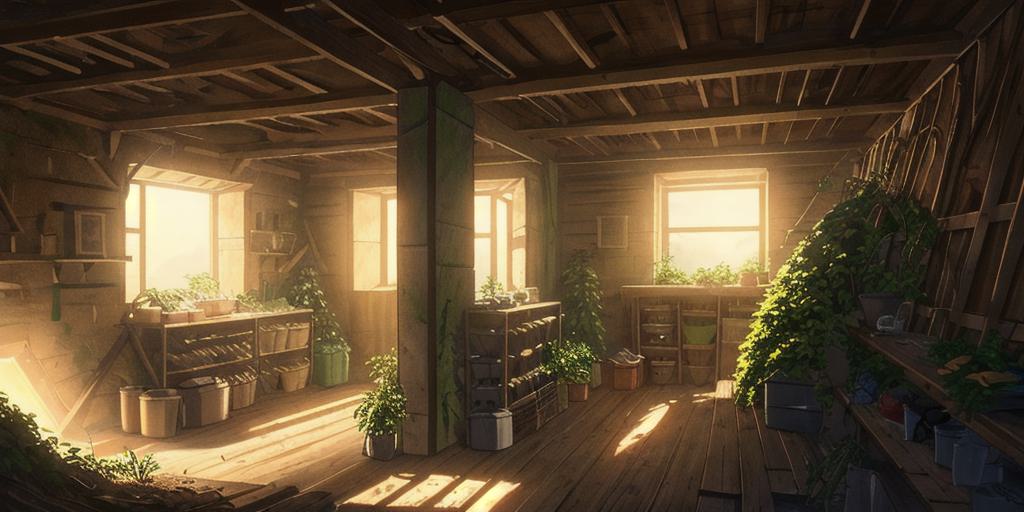
Root cellars, with their quaint charm and practical purpose, may seem like a relic of a time long past, but they are experiencing a renaissance among those yearning for a more sustainable, self-reliant lifestyle. As we move towards a world where independence from societal systems becomes more appealing, the simplistic brilliance of the root cellar shines brighter. As noted in The Homesteading Hippy’s article, a well-stocked root cellar can provide a wealth of fresh produce while bypassing modern refrigeration – a perfect symbiosis of tradition and sustainability.
Food Sovereignty: A Root Cellar’s Promise of Independence
Building a root cellar is akin to crafting your own safety net. It’s about more than preserving food; it’s about cultivating food sovereignty. It’s about knowing that, no matter what happens in the world outside, your family will have access to nutritious, home-grown food. As our friends at Remedies NT put it, a root cellar is a guide to a better life, a step towards self-reliance and preparedness. Just as the root cellar burrows into the earth, so too does it tap into our innate desire for security and control over our sustenance.
Off-Grid Elegance: The Energy-Efficient Magic of Root Cellars
Root cellars are a testament to the elegance of off-grid living, a tangible manifestation of living in harmony with nature’s wisdom. They utilize the earth’s natural insulation to keep your harvest fresh, negating the need for energy-consuming refrigeration. As East Idaho News rightly points out, one of the major advantages of a root cellar is the elimination of electric bills for cooling your produce. It’s an ingenious solution, combining the science of thermal mass with the art of food preservation.
The beauty of the root cellar lies not just in its function, but in its philosophy. It is a symbol of resilience and resourcefulness, a testament to the ingenuity of those who embrace the off-grid lifestyle. It’s about taking a step back from the hustle of modern life and aligning with the rhythms of nature, about knowing that, come what may, you have the tools and the knowledge to sustain yourselves from the bounty of the earth.
Maximum capacity of a root cellar for food storage
 Unlocking the Cornucopia: Root Cellar Capacity
Picture a treasure chest, not laden with gold and gems, but with earth’s bounty – crisp apples, hearty potatoes, robust carrots. This is the magic of the root cellar. But how much of this bounty can a root cellar hold? The answer to this question is as varied as the harvest itself, dependent on the size of your root cellar and the type of produce you intend to store.
Contrary to the ‘bigger is better’ mantra, a root cellar doesn’t need to be gargantuan to be effective. Even a modestly-sized root cellar can offer substantial storage capacity. For example, a root cellar with a floor space of 8 by 8 feet can potentially store up to 30 bushels of apples, 100 pounds of carrots, and 60 pounds of potatoes, as illustrated by this informative article.
The Zen of Space Optimization
Maximizing the use of space in your root cellar is an art that mirrors the wisdom of nature itself. Much like a forest maximizes every inch of its ecosystem, a well-organized root cellar takes advantage of vertical space with shelving, and nooks and crannies become homes for smaller items. The key is to understand the unique storage needs of different produce types. For instance, root vegetables like potatoes and beets are best stored in bins or even buried in sand, while apples and pears prefer the solitude of single-layer shelves.
It’s not just about cramming in as much as you can. The root cellar is a living system, with its own ebb and flow. As this insightful course points out, understanding the biological and ecological principles at play is crucial. Balance is required to maintain the right temperature and humidity levels that will keep your produce fresh for longer.
Root Cellars: A Symphony of Sustainability
With the potential to store thousands of pounds of produce, root cellars are a powerful tool in the pursuit of food sovereignty. But they’re more than just a storage solution. They are a statement, a commitment to a sustainable lifestyle. Just like the Groundfridge, an innovative take on the traditional root cellar, they represent a shift in how we view our relationship with food and the earth.
At its core, a root cellar embodies the essence of living off the grid. It’s about embracing the wisdom of past generations, leveraging the natural resources around us, and taking charge of our food supply. And in doing so, it redefines the concept of wealth. For in this earth-hewn treasury, the true riches are the fruits of our labor, the bounty of the earth, and the peace of mind that comes with self-sufficiency.
Tips for storing sensitive food items in a root cellar
Harmony with the Elements: Storage Temperature and Humidity
Mastering the art of root cellar storage is akin to performing a symphony with nature, where the notes are dictated by the unique temperature and humidity preferences of each vegetable. Temperature monitoring is crucial, with the ideal range being between 32 to 40 degrees Fahrenheit, but it’s not a one-size-fits-all affair. Pears, for example, require the chilliest spots in your root cellar, while garlic prefers a warmer, dryer environment.
Humidity control is another key player in this concert. Too much moisture can invite rot, while too little can cause your produce to dry out. Parsnips and carrots bask in high humidity levels, comfortably nestled in a box of damp sand or peat. On the other hand, pumpkins thrive in drier conditions, their flavors deepening over time.
Ethereal Ethylene: The Invisible Catalyst
While temperature and humidity are the visible maestros of the root cellar orchestra, there’s an invisible catalyst at play: ethylene gas. Some fruits, like apples and pears, emit this gas which can dramatically accelerate the ripening (and subsequent spoiling) of vegetables nearby. This chemical whisperer of the fruit world could turn your root cellar symphony into dissonance if not properly managed.
Separate the apples and pears from other produce, wrapping them in paper to slow down spoilage. And remember, each pear must be wrapped individually before being stored. This will help them keep their crispness and flavor, ensuring that your root cellar remains a harmonious haven of freshness.
Cultivating Mindfulness: Regular Checks and Ventilation
Adopting a mindful approach to your root cellar can prevent potential pitfalls down the line. Regular checks of your produce not only allow you to weed out any signs of decay before they spread, but also provide an opportunity to appreciate the abundance of your harvest. Just as you would take time to meditate and check in with yourself, take time to ‘meditate’ on your root cellar, observing any changes in your produce or the environment.
Ventilation is another essential aspect of this mindful practice. A well-ventilated root cellar allows the ethylene gas to escape, reducing the risk of accelerated ripening. And just like in yoga, proper breathing is essential for the health of your root cellar. So, ensure your root cellar has a good ventilation system – it’s as important as the breath that keeps us alive.
Remember, the journey to successful root cellar storage is a dance with nature, filled with continuous learning and adaptation. So, tune into the rhythm of your root cellar and let this earth-hewn treasury enrich your off-grid lifestyle.
How to keep food fresh in a root cellar
Understanding Your Produce: The Art of Compatibility
Just like we have our likes, dislikes, and idiosyncrasies, so does the produce we store in our root cellars. Remember, not all fruits and vegetables play well together. Some, like apples, pears, and tomatoes, release a gas called ethylene, which hastens the decomposition of other produce. Imagine it as an uninvited guest at a party, stirring up trouble and causing chaos. Ethylene is that guest and it’s crucial to keep it away from other sensitive attendees, like potatoes and carrots.
On the flip side, some produce absorbs odors from their more fragrant companions. Strong smelling foods like cabbages or turnips can be wrapped in newspaper to help contain the smell. Keeping a harmonious balance between your stored produce is akin to managing a social gathering, each item with its own preferences and quirks.
Creating an Ideal Environment: Tools of the Trade
Now that we’ve understood our guests (the produce), let’s talk about setting up the perfect environment for them. Two small investments you should consider for your root cellar are a thermometer and a hygrometer. These tools will help you measure temperature and humidity, ensuring optimal conditions for your food to remain fresh for the longest possible time.
Just as an online entrepreneur would rely on analytics to optimize a website, a successful root cellar operator needs to master the data provided by these tools. It’s about creating a controlled environment that gives your produce the best chance to thrive, maintaining its nutritional value and freshness.
Adding a Personal Touch: The Power of Rotation
Finally, let’s not forget the power of rotation. This is not a ‘set it and forget it’ operation. Just like a successful online business requires regular updates and tweaks, so does your root cellar. Plan ahead and rotate your supply regularly to keep food and items in the root cellar fresh. It’s about engaging with your produce, understanding its life cycle, and making the necessary adjustments to keep things fresh and vibrant.
Remember, this is a journey towards self-sufficiency and harmony with nature. Each step along the way is a learning experience, a chance to deepen your connection with the planet and the bounty it provides. Embrace the challenge and let your root cellar become a testament to the power and beauty of living off the grid.
The history of root cellars and their significance
The Time Capsule: Root Cellars in Historical Perspective
Peering into the history of root cellars is like embarking on a journey through time, a reminder that our ancestors were not so different from us. They, too, sought ways to preserve their food and extend its lifespan beyond the harvest season. Root cellars were the refrigerator of the past, a testament to the resourcefulness and ingenuity of those who lived before us. They were, and continue to be, a crucial tool in the quest for self-sustainability, a tangible link between us and the land we inhabit. Root cellars stand as a testament to our resilience and ingenuity.
The Druid’s Lair or Farmer’s Pantry: Root Cellars as a Historical Mystery
Our connection with root cellars, however, is not all practical. There is a certain mystery and intrigue that surrounds these structures. Consider the rock caverns in the Hudson Valley. These enigmatic structures, scattered throughout the region, have puzzled historians for centuries. Theories about their origins range from practical storage spaces created by 18th-century farmers to sacred spaces crafted by ancient druids. Much like the mysteries of the internet’s dark corners, these root cellars serve as a reminder that there is always more to learn, more to explore, and more to understand. The mystery of these caverns adds a layer of fascination to our understanding of root cellars.
Cultural Memory and the Root Cellar: A Living Legacy
Root cellars are not merely historical curiosities or practical tools. They are part of our cultural memory, repositories of stories, experiences, and a way of life that has endured through the centuries. For the Passamaquoddy Tribe, the root cellar was more than a storage space. It was a lifeline during the smallpox epidemic brought by settlers, a place where food was stored and delivered to quarantined relatives. The reacquisition of their ancestral land, including the root cellar, is a poignant reminder of their resilience, their connection to the land, and their enduring legacy. The story of the Passamaquoddy Tribe underscores the profound cultural significance of root cellars.
Whether as a time capsule, a historical mystery, or a cultural memory, root cellars offer an enriching perspective on our pursuit of a sustainable, off-grid lifestyle. As we delve deeper into the art of food storage, we also connect with a rich tapestry of human ingenuity, resilience, and resourcefulness. In essence, the root cellar is more than a space—it’s a living legacy, a testament to our enduring relationship with the land.
Different types of root cellars and their features
The Earthy Alcove: Natural Root Cellars
Imagine a space, carved right into the belly of Mother Earth, a space where nature’s bounty is preserved in its purest form. This is the archetype of the natural root cellar. Used for centuries, these natural cellars provide an ideal environment for storing fruits, vegetables, and other produce, maintaining a constant temperature and humidity level. The architecture is simple: a dug-out space, often in a hillside, with a sturdy door to keep out pests. It’s a testament to the concept of ‘less is more’; a minimalist, eco-friendly solution to food preservation. The Earth herself becomes the walls, floor, and ceiling of your pantry. Canning and Preserving All-In-One For Dummies dedicates an entire section to the construction and use of these traditional food storage methods.
The Hybrid Haven: Modern Root Cellars
While honoring our past, we also embrace the future. Modern root cellars, or hybrid cellars, are a fusion of old and new; they combine the principles of traditional root cellars with the conveniences of contemporary design. These cellars, often part of a basement or a separate room in a house, are equipped with insulation, ventilation systems, and shelving units. Some even employ LED lights, providing efficient and cost-effective illumination, as discussed in the article Root Cellar Lighting Options.
The Innovator’s Nook: High-Tech Root Cellars
For the technologically inclined, high-tech root cellars exemplify the art of food preservation in the digital age. These cellars use advanced temperature and humidity control systems, ensuring optimal conditions for each type of produce stored. Some may even include automated systems that monitor and adjust the environment as needed. This type of cellar can be part of a smart home setup, allowing you to monitor conditions remotely and receive alerts about any changes. It’s a quantum leap from the earthy alcoves of old, but it serves the same purpose: preserving the freshness and vitality of our sustenance.
Whether you prefer the rustic charm of a natural root cellar, the balanced approach of a hybrid cellar, or the high-tech allure of a modern cellar, it’s clear that the art of food storage is alive and well. These cellars, each with their unique features and characteristics, stand as symbols of our ongoing journey towards self-sufficiency and sustainability. They remind us that, in our quest to escape the 9-5 grind, we are not just preserving food—we are preserving a way of life.
The importance of proper ventilation in a root cellar
Whispering Winds: The Breath of Your Root Cellar
Consider your root cellar as a living, breathing entity, an extension of yourself, if you will. Just as we require air to sustain us, so too does your root cellar. Proper ventilation is its lifeblood. It is the silent whisper that encourages freshness, discourages spoilage, and strikes an optimal balance in temperature and humidity. It’s a delicate waltz of wind and air, dancing through the chambers of your underground haven, ensuring your stored goods remain at their prime as discussed in the comprehensive guide, Mastering Root Cellar Ventilation Techniques.
Nature’s HVAC: The Art of Root Cellar Ventilation
Effective ventilation in your root cellar is a masterclass in harnessing the raw prowess of Mother Nature. You’re not merely storing vegetables or preserving jams; you’re capturing the very essence of the seasons themselves, keeping summer’s bounty fresh through winter’s chill, and vice versa. Natural convection, a process where warmer, lighter air rises and cooler, denser air sinks, can be your ally in this endeavor. This simple principle, when adequately leveraged, can create a self-regulating, biome-mimicking environment that keeps your produce fresh for an extended period.
Modern Maestros: Mechanical Ventilation Systems
While nature’s wisdom is invaluable, sometimes it needs a little nudge from human technology. Enter mechanical ventilation systems: the modern maestros conducting the symphony of air flow in your root cellar. These systems can help maintain a constant, ideal temperature, and ensure adequate air circulation, even in the most stubborn corners of your cellar. They are the tireless sentinels, the ever-vigilant guardians of your root cellar environment, tirelessly working to preserve the freshness and quality of your agricultural products, as emphasized in the guide Proper Ventilation in Root Cellars.
Remember, the journey to mastering root cellar ventilation is not a sprint, but a marathon, marked by continuous learning, experimentation, and adaptation. It’s about embracing the dance of the seasons, the rhythm of nature, and the symphony of technological innovation. It’s about becoming one with the breath of your root cellar, understanding its whispers, and responding with wisdom and care.
Storing beverages in a root cellar
Root Cellar Beverages: Nature’s Own Refrigerator
When we talk about root cellars, the first thing that comes to mind is storing root vegetables. But it’s more than just a vegetable vault. Consider your root cellar like a treasure chest, waiting to be filled with a variety of riches. Among these treasures, is the often overlooked potential of using your root cellar to store beverages.
It’s like having nature’s own refrigerator, right in your backyard. An ideal environment for your homemade alcoholic beverages, the root cellar can be your personal wine cellar, beer cave or even a whiskey den. The consistent coolness and darkness provide the optimal conditions for the aging process of your wines and beers, enhancing their flavor profiles over time, as observed in the comprehensive guide, Almanac’s Root Cellar Storage Tips.
From Vintage Vino to Homegrown Hooch
Whether you’re a wine aficionado or a home brewer, the root cellar can be your best ally. The key lies in understanding the dance of nature and technology. By manipulating the variables within your control, such as the temperature, humidity and light exposure, you can create an oasis for your beverages. For vintage wines, the cool, steady temperature of the root cellar helps to slow the aging process, allowing the complex flavors to mature gracefully. For the homegrown hooch, the root cellar provides the perfect environment for the fermentation process, letting you experiment with flavors to create a brew that is uniquely yours.
Even if alcohol isn’t your tipple of choice, the root cellar can serve as a storage for other beverages. Got a batch of homemade kombucha or kefir? The root cellar is the ideal spot to let the beneficial bacteria do their magic. For the tea enthusiasts, why not use the root cellar to store and age your favorite teas? The possibilities are virtually endless.
Hydration Station: Non-Alcoholic Options
But let’s not forget about the importance of plain old H2O. In a world that is increasingly uncertain, having a safe, reliable source of water is crucial. Storing water in the root cellar can ensure you have a cool, refreshing supply of this life-sustaining liquid at all times, especially in times of crisis as mentioned in Survivopedia’s Guide on Root Cellars.
So, as you see, your root cellar is more than just a storage space for root vegetables. It can also be your personal beverage center, a place where you can experiment with flavors, age your wines and brews, and ensure you have a steady supply of water. It’s about maximizing the potential of this humble space, turning it into a crucial component in your off-grid lifestyle.
The impact of temperature and humidity on food storage in a root cellar
Understanding the Dance of Temperature and Humidity
When you think of your root cellar, imagine it as a living, breathing entity. Much like our bodies, it thrives under certain conditions and recoils under others. Temperature and humidity are the lifeblood of your cellar, determining not only the longevity of your stored food, but also its quality and taste.
In the grand scheme of off-grid living, achieving optimal temperature and humidity in your root cellar is akin to capturing the rhythm of nature. It’s a delicate dance, one that demands your attention and rewards you with the bounty of preserved food for months on end. But how do you tune into this dance? How do you harness the elements to work in your favor?
Well, every dance starts with knowing the steps. As outlined in the Newstimes’ comprehensive guide on root cellars, the first step is understanding that different foods require different storage conditions. For instance, most vegetables prefer cold and moist conditions, while onions and garlic thrive in cooler and drier environments. Being aware of these preferences is akin to knowing your partner’s moves in a dance, allowing you to create an environment in your root cellar that maximizes the shelf life of your produce.
Mastering the Art of Environmental Monitoring
Being attuned to the needs of your stored food is only half the battle. The other half requires you to monitor, and more importantly, control the environment in your root cellar. It’s about ensuring that the temperature and humidity levels remain constant, regardless of the shifting weather conditions above ground.
It’s here that the harmony of low-tech and high-tech solutions come into play. As suggested in Home Upgrade Place’s article on root cellar monitoring, investing in an environmental monitoring system can be invaluable. Such systems can alert you when CO2 levels rise beyond safe levels or when the air quality deteriorates, threatening the freshness and quality of your stored food.
Of course, not all monitoring systems need to be high-tech. Sometimes all you need is a good old thermometer and a hygrometer (a device that measures humidity) to keep tabs on the temperature and humidity in your root cellar. The key is to find a balance that works for you, one that combines the simplicity of off-grid living with the convenience of modern technology.
Adapting to the Rhythm of Nature
Finally, remember that the dance of temperature and humidity in your root cellar is not a one-time performance. It’s an ongoing process, one that requires you to adapt and adjust to the rhythm of nature.
For instance, if you notice your stored produce starting to shrivel, it’s a sign that there’s not enough moisture in your root cellar. You can rectify this by adding pans of water or damp burlap on the floor, as suggested in the Newstimes’ guide. On the other hand, if you see signs of molding, it’s an indication of excessive moisture, and you might need to improve ventilation in your root cellar.
Ultimately, the dance of temperature and humidity in your root cellar is a testament to the harmony of nature and human ingenuity. It’s about using the earth’s natural cooling and preserving capabilities, complemented by our ability to monitor and control environmental conditions, to create a sustainable food storage solution. So, step onto the dance floor, and let the rhythm of nature guide you in your off-grid food storage journey.
Embracing the wisdom of our forebears, we journey into the world of root cellars, the subterranean sanctuaries for preserving nature’s bounty. These eco-friendly alternatives to modern refrigeration are not just about storing food. They symbolize our quest for a sustainable, off-grid lifestyle, a testament to self-reliance and a connection with the rhythms of nature.
As we delve into the versatility of root cellars, we realize their potential to store a myriad of foods, from root vegetables and canned goods to fruits, preserves, and even beverages. They also serve as an excellent solution for long-term food security, a strategic move towards self-reliance.
Storage in a root cellar is far from a haphazard grab-and-go operation. It’s a carefully choreographed dance with nature, requiring patience, planning, and a love for learning. Proper segregation, arrangement, and regular checks are crucial for optimal storage conditions. We also learn to harness the silent whispers of ventilation, the lifeblood of our root cellars, ensuring the freshness and longevity of our stored food.
The root cellar’s magic doesn’t limit itself to food. It extends to beverages, transforming into a personal wine cellar, beer cave or even a whiskey den. This humble space, when maximized, can serve as a crucial component in our off-grid lifestyle.
The journey to mastering temperature and humidity in your root cellar is akin to capturing the rhythm of nature. It’s about ensuring that the temperature and humidity levels remain constant, regardless of the shifting weather conditions. It’s here that the harmony of low-tech and high-tech solutions come into play, combining the simplicity of off-grid living with the convenience of modern technology.
At the end of this journey, we realize that root cellars are more than just a space for food storage. They are living legacies, poignant reminders of human resilience, ingenuity, and our enduring relationship with the land. They capture the essence of living off the grid, redefining the concept of wealth and embracing the peace of mind that comes with self-sufficiency.