The enchantment of home canning offers year-round access to nutritious ingredients, regardless of the season. The practice not only provides flavorful foods but also fosters a journey towards self-reliance and healthful living, putting you in control of your diet. Embracing home canning, you become the quality control supervisor of your kitchen, leading to healthier eating, reduced grocery bills, and contribution to a sustainable lifestyle.
Key takeaways from the article include:
- The empowerment and sense of self-reliance that comes with home canning
- The significance of quality control and cost efficiency in home canning
- The incorporation of modern technology and techniques in home canning for better accessibility
- The benefits of having a well-organized and efficient food storage system for self-sufficiency
- The importance of diversifying food storage for nutritional balance and emergency preparedness
The Benefits of Home Canning for Self-Reliance Food Storage
Embrace the Power of Year-Round Nutrition
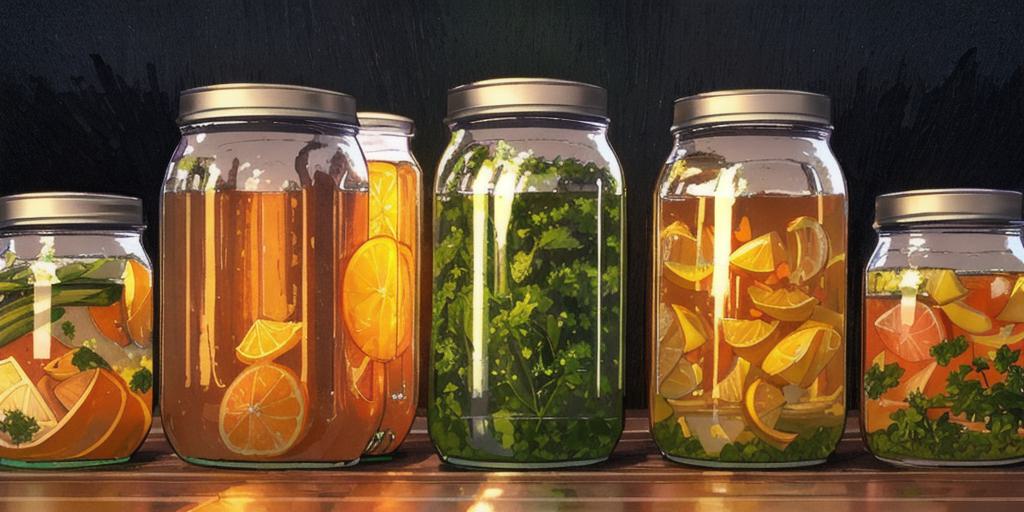
There’s a certain magic in biting into a juicy, homegrown peach in the depths of winter. It’s a sensory experience that transports you back to the warmth of summer. This is the enchantment of home canning, a practice that allows you to remain the ultimate boss of your food supply all year round, offering fresh, nutritious ingredients at your fingertips, no matter the season.
Imagine the rich, comforting flavor of homemade tomato soup made from last summer’s harvest, served on a chilly winter’s day. Canning makes this possible and does so much more than just tickle your palate. It empowers your journey towards self-reliance and healthful living, putting you in control of your diet.
Quality Control and Cost Efficiency
By embracing home canning, you become the quality control supervisor of your kitchen. You know exactly what goes into your preserves, without the additives or preservatives commonly found in store-bought food. This leads to healthier eating, free from the harmful ingredients often hidden in commercially processed foods. Plus, home canning allows you to make the most of seasonal bounty, reducing grocery bills and waste. As a result, you save money and contribute to a more sustainable lifestyle.
Think about the long-term implications: less dependence on the supermarket, reduced food waste, and a pantry filled with delicious, home-preserved produce. In times of food shortages, you’ll appreciate the foresight of your past self, who spent a sunny afternoon canning the surplus from your garden.
Modern Techniques, Traditional Wisdom
While canning is an age-old practice, modern technology and techniques have made it more accessible and manageable than ever before. With the right guidance and tools, anyone can master the art of canning at home. The four main methods of preservation – water-bath and pressure canning, freezing, and dehydrating – are all achievable in the comfort of your own kitchen.
Remember, the goal is not just about food preservation, but also about crafting the most flavorful results. It’s about the joy of creating your own food, the satisfaction of self-reliance, and the peace of mind that comes with a well-stocked pantry. So, let’s explore the world of home canning, embracing the latest food safety guidelines as we delve into this rewarding journey.
Whether your drive towards home canning is to save money on groceries, live healthier, or just for the sheer fun of doing it, remember: every jar you seal is a step towards self-reliance and a testament to your commitment to a healthier, more sustainable lifestyle.
A Guide to Building a Self-Sufficient Food Storage System

Plotting Your Pantry: Designing for Efficiency and Accessibility
Thriving in a self-sufficient lifestyle requires strategic planning and organization, especially when it comes to food storage. Just like a master chess player, you need to anticipate future moves and needs. To start, analyze your current storage system. Consider how much space you have, how it’s being used and what changes could make it work better for you. In your food storage planning, think about how a chef organizes his kitchen – everything within reach, categorized by frequency of use, and meticulously labeled. This is the essence of the Mise-en-Place methodology; a practice that equally applies to your pantry. With an efficiently organized food storage system, meal preparation becomes quicker, easier, and far less stressful.
Consider the accessibility of your food storage areas. Are they easy to get to? Do you have a system for tracking what you have stored? Tools such as pantry inventory apps can help you keep track of what you have, what you need, and even when certain items are nearing their expiration dates. This level of organization not only makes your day-to-day life easier, but also ensures that in times of unplanned situations or crisis, you have an accurate understanding of your food supplies.
Grow Your Greens, Sow Your Seeds: Embracing Permaculture Principles
While canned and preserved foods play an important role in food storage, fresh produce is equally, if not more, vital for a healthy diet. Incorporating permaculture principles into your food cultivation and storage system can significantly boost your self-reliance. Permaculture encourages the use of natural ecosystems to create sustainable and self-maintaining food systems, reducing reliance on external resources.
Start by learning about the fruits, vegetables, and herbs that grow best in your local climate and soil. Engage with your local gardening or permaculture community to exchange knowledge and seeds. Consider companion planting, a method that pairs plants which benefit each other in terms of growth, pest control, and soil enrichment. This not only maximizes your garden’s productivity, but also contributes to a healthier ecosystem.
Remember, you don’t need large acreage to grow your own food. Techniques like vertical gardening, container gardening, and hydroponics can be used to grow a surprising amount of food in small spaces. The key is to plan efficiently and to choose crops that offer high yields in the space you have.
Preserving the Harvest: Advanced Food Preservation
Once you’ve harvested your bounty, preserving the excess becomes paramount. As we’ve discussed, canning is a powerful tool in your self-sufficiency toolbox, but there are other preservation methods that can add variety and longevity to your food storage. Dehydrating fruits, vegetables and herbs can provide nutritious and tasty snacks, while also significantly reducing storage space. Foods like apples, bananas, tomatoes, and peppers are excellent for dehydration.
Freezing is another simple and effective preservation method. While it requires a reliable power source, it allows you to preserve a wide variety of food without losing much nutritional value. Certain foods like berries, corn, and peas can go straight into the freezer, while others like apples, peaches, and tomatoes may require blanching beforehand.
Fermentation, a method used for thousands of years, not only preserves food but also enhances its nutritional value and flavor. Foods like pickles, sauerkraut, and yogurt are all products of fermentation. Plus, fermented foods are excellent for gut health, boosting your body’s absorption of nutrients from the food you eat.
Ultimately, building a robust, self-sufficient food storage system is an ongoing and rewarding journey. It’s about marrying modern techniques with age-old wisdom, fostering self-reliance while enhancing your connection with nature. Each jar of preserved fruit, each basket of homegrown vegetables, and every well-organized pantry shelf is a testament to your commitment to a healthier, more sustainable lifestyle.
The Importance of Diversifying Your Food Storage for Self-Reliance

Land of the Big, Home of the Prepared: The Texan Approach
As the world becomes increasingly unpredictable, a growing number of people are seeking to fortify their life raft, ensuring they have the necessary supplies to weather any storm. In the expansive state of Texas, the approach to prepping for survival is, fittingly, larger than life. Texans aren’t merely stacking rows of canned beans and tuna; they’re diversifying their preparations to meet a variety of challenges.
This diversified approach to food storage is a crucial lesson for us all, emphasizing the importance of variety for nutritional balance. Beyond the essential non-perishables, Texans are stocking up on freeze-dried foods, vacuum-sealed meats, and an array of grains and legumes. These foods ensure a variety of vitamins, minerals, and protein sources, necessary for prolonged periods of self-reliance. Here’s a deeper look into the comprehensive approach to prepping that Texans are adopting and how their resilience can inspire us all.
Quenching the Thirst: The Vital Importance of Water Supply and Purification
Life’s most essential ingredient, water, is another key area of focus. Clean water isn’t just for drinking; it’s crucial for cooking, hygiene, and maintaining health during crises. Many Texans, understanding the importance of this precious resource, are investing in large water storage systems, rainwater collection setups, and advanced water purification devices.
Given the state’s abundance of sun, a number of Texans are also harnessing solar power solutions. Portable solar panels, solar-powered appliances, and battery storage units ensure that households remain powered even during extended grid failures. It’s about anticipating a range of challenges and tailoring preparations to one’s environment, community, and individual needs.
Harnessing the Power of Nature: Medical and Natural Remedies
In the quest for self-reliance, health cannot be overlooked. The Texan prepping community showcases a comprehensive approach to this crucial area, moving beyond standard first aid kits. Texans are stocking up on essential oils, herbal remedies, and learning about local plants that can be utilized for medicinal purposes. This holistic approach to health not only fosters independence but also deepens our connection with the natural world.
Aligned with their culture of self-reliance, Texans are also focusing on personal safety. While firearms are a part of many Texan preppers’ plans, there’s also an increased interest in non-lethal defense tools, security systems, and community defense strategies. This demonstrates that survival prepping in modern times isn’t a one-size-fits-all endeavor.
By looking beyond the canned goods and embracing a holistic approach, we can learn from the Texan example and build our own comprehensive, diversified, and robust system for self-reliance. It’s about anticipating what lies ahead, preparing for it, and ultimately, thriving in the face of adversity.
The Role of Food Preservation in Achieving Self-Reliance

Preserving Abundance: The Art of Food Storage
When we talk about self-reliance, one of the first things that come to mind is food. Having control over what we consume, understanding its origin, and knowing we have enough to sustain us, brings a profound sense of security. Yet, in today’s fast-paced world, many of us have lost the knowledge and skills our ancestors held in food preservation.
The question is, how can we reclaim these skills and integrate them into our modern lives? The answer lies in understanding the art and science of food storage. By exploring traditional preservation methods like canning, drying, and fermenting, we can tap into the wisdom of the past while using modern technology to enhance these processes.
Food preservation is a powerful tool for self-reliance. It allows us to harness the abundance of seasonal produce and preserve their nutritional value for future use. It also gives us the freedom to step away from the industrialized food system, reducing our dependence on imported foods and strengthening local food communities. Revelstoke’s Food Resilience Charter provides an inspiring example of a community working towards this goal.
Preservation as a Pathway to Self-Reliance
Food preservation isn’t just about survival; it’s a pathway to self-reliance, a way to reclaim our food sovereignty, and an opportunity to deepen our connection with nature. It’s about understanding the natural rhythms of the seasons, the life cycles of plants, and how we can work with these processes rather than against them.
By preserving food, we also preserve our health. The process of preservation often enhances the nutritional value of food, making it even more beneficial for our bodies. For example, fermentation not only extends the shelf life of vegetables but also increases their probiotic content, promoting a healthy gut microbiome.
Moreover, food preservation encourages mindfulness and intentionality. It requires us to be present, to understand the intricacies of the food we are preserving, and to appreciate the transformation it undergoes. This mindful approach to food can help us cultivate a deeper understanding of our relationship with the natural world, and how our actions impact the environment.
The Revolution is in the Jar
Now, imagine if food preservation became a common practice in every household. We would see a shift from a culture of convenience and waste, to one of appreciation and sustainability. This shift can start in our own kitchens, with a jar of homemade jam or a batch of fermented vegetables.
The revolution truly is in the jar. It’s in the act of taking control of our food, of choosing to invest time and energy into preserving the bounty of the seasons, and reducing our dependence on the industrial food system. It’s in the decision to prioritize health, sustainability, and self-reliance.
So, let’s take a leaf from the book of the Sabarmati Ashram, where a community is preserving not just the legacy of Mahatma Gandhi but embodying his principles of self-reliance and sustainability. Let’s reclaim the art of food preservation and embrace its role in achieving self-reliance.
Just as the journey to self-reliance begins with a single step, the path to food sovereignty can start with a single jar.
How to Create a Self-Reliant Food Storage Plan

Building Your Plan: Starting from Scratch
It’s true, the journey towards self-reliance can seem daunting. But remember, the most profound journeys begin with a single step. Self-reliance in food storage isn’t built in a day, and it doesn’t have to break the bank. Starting slow and steady is the key. Begin by assessing your current eating habits and meal preferences. What are the foods that you consume regularly? How much do you eat in a day, a week, a month? These answers will help you outline the initial blueprint of your self-reliant food storage plan.
Next, designate a suitable storage space for your food reserves. This could be anywhere from a corner in your basement to a sheltered spot in your shed. The key is to ensure that the space is cool, dry, and protected from pests and the elements. Just as the Odia Samaj of New Delhi organised a webinar to discuss agricultural self-reliance, you too can approach your food storage plan systematically.
Quality over Quantity: The Golden Rule of Food Storage
Food storage isn’t just about hoarding food supplies. It’s about smart and sustainable choices. There may be a temptation to lean towards cheaper, lower quality food to save a buck now. Resist it. It’s crucial to invest in high-quality, nutritious food that won’t just last long, but will also be enjoyable to consume when the need arises.
Consider high-quality, dehydrated food that can last for years without rotation. When stored properly, these supplies can provide nutritional sustenance for an impressively long time. But remember, an investment in quality is an investment in your health and well-being.
Inventory and Rotation: The Lifeline of Your Storage Plan
A crucial aspect of your food storage plan is maintaining a detailed inventory. A well-maintained inventory not only keeps track of what you have, but also helps monitor the shelf life of your food items. As the 4Patriots LLC suggests, make a note every time you use an item from your inventory, ensuring that you’re always using the oldest items first.
Rotation is key to preventing waste. The food you store should be part of your regular diet, that way it can be continually used and replaced. This habit ensures that nothing goes to waste and that your food storage always remains stocked with fresh supplies.
Embrace this journey towards self-reliance with openness and curiosity. It’s not just about survival, it’s about forging a stronger, more sustainable connection with your food. And remember, the revolution starts in your kitchen.
The Pros and Cons of Different Food Storage Methods for Self-Reliance
Diving Into the Pantry: Traditional Canning
Stepping back in time, traditional canning is a food preservation method that has stood the test of centuries. It’s a method that connects us to our roots, reminiscent of grandmothers’ bustling kitchens and shelves lined with colorful jars.
But beyond its nostalgic charm, canning offers practical benefits. It allows you to preserve a wide variety of foods, from fruits and vegetables to meats and soups. The result is a pantry filled with nutritionally dense, ready-to-eat food, preserved at its peak freshness.
However, canning comes with its own set of challenges. It requires an initial investment in supplies and a steep learning curve. The process can be time-consuming and requires meticulous attention to safety to avoid the risk of foodborne illnesses. But once you master the art, the rewards, both in terms of cost savings and quality of food, can be substantial.
As with any journey towards self-reliance, starting small and gradually expanding your skills is the key. As outlined in a guide to healthy eating, start with simple recipes and build up your canning repertoire over time.
Freezing: The Quick and Easy Route
Freezing is arguably the simplest and most accessible method of food preservation. Most of us already have a freezer in our homes, making this an easy first step into self-reliant food storage. Freezing preserves food by slowing down the activity of microorganisms and enzymes that cause food to spoil.
From berries and vegetables to bread and meat, a wide variety of foods can be frozen. The process is simple, fast, and requires minimal equipment. However, not all foods freeze well, and the nutritional quality can degrade over time. Moreover, relying solely on freezing for long-term food storage can leave you vulnerable during power outages or if your freezer malfunctions.
Yet, with its convenience and accessibility, freezing can be a valuable tool in your self-reliance arsenal. It’s all about striking a balance and diversifying your food storage methods, much like a well-diversified investment portfolio.
Dry Storage: The Forgotten Art
Dry storage is an often overlooked method of food preservation. Yet, it’s a technique as old as civilization itself. By reducing the moisture content in foods, we can inhibit the growth of bacteria, yeasts, and molds that cause food to spoil.
Grains, beans, nuts, and dried fruits are common foods stored using this method. They require little to no energy to store, making dry storage a sustainable option. However, it’s essential to maintain the proper temperature and humidity conditions to prevent spoilage, and certain foods, like dried fruits, may need to be rehydrated before use.
The key to successful dry storage, as with any food preservation method, is careful planning and organization. As the Ketchup Heinz Coupon campaign shows, even small efforts can yield significant benefits when strategically applied.
The Role of Food Preservation in Emergency Preparedness

Preserving Food, Preserving Life: The Intersection of Self-Reliance and Emergency Preparedness
When it comes to preparedness, nothing is more essential than food. If an emergency strikes, whether it’s a natural disaster, a power outage, or a long-term economic downturn, having a reliable source of sustenance can mean the difference between survival and disaster. Just as the Emergency Preparedness Part 1 article points out, preparing before an emergency incident plays a vital role in ensuring safety and survival.
But what’s often overlooked in the rush to stockpile canned goods and dry pasta is the immense value of self-reliant food storage methods — those traditional, sometimes almost forgotten, ways of preserving food that our ancestors relied upon. These skills, when paired with modern knowledge and technologies, can create a robust and resilient food storage system that not only feeds the body, but also nurtures a sense of self-reliance and connection with the natural world.
Food Preservation: A Pillar of Self-Reliance
Imagine a situation where you have no access to grocery stores, no deliveries from your favorite food app, and your survival depends on the food you’ve stored. Suddenly, the art of food preservation becomes a critical skill. It’s not just about survival; it’s about thriving in challenging conditions, something that’s beautifully demonstrated in the Navajo Nation’s journey to transform food deserts into food oases.
By mastering the techniques of canning, freezing, and dry storage, you equip yourself with the tools to preserve not just the food, but the flavors, the nutrients, and the very essence of the crops you’ve grown or foraged. You’re not just storing food; you’re storing health, autonomy, and a connection to the land.
Building a Resilient Food Storage System: A Step Towards Emergency Preparedness
But how does this connect to emergency preparedness? Quite directly, in fact. A robust food storage system acts as a buffer against uncertainties, providing you with a safety net when conventional food sources become unreliable or inaccessible. Furthermore, the skills and knowledge you gain in the process — about local food sources, about nutritional needs, and about managing resources — make you more adaptable in the face of change or crisis.
As highlighted in the Emergency Preparedness for Libraries guide, the preparation phase is critical in managing emergencies. Similarly, developing and maintaining a food storage system is a preparation phase in itself, one that ensures you have a reliable source of food when needed the most.
Whether you’re aiming to break free from the 9-5 grind, live closer to nature, or simply want to cultivate a more resilient lifestyle, understanding and embracing the role of food preservation in emergency preparedness is a powerful step forward. It’s about building self-reliance, promoting health, and fostering a deeper connection with the world around us.
How to Build a Self-Reliance Food Storage Pantry
Creating Your Personal Food Oasis: The Art of Building a Food Storage Pantry
When it comes to self-reliance, the integration of technology with traditional wisdom often paves the way. The skill of food preservation, especially, has been a cornerstone of human survival and progress since the dawn of civilization. Now, with the advent of the internet and rising interest in sustainable living, we find ourselves returning to these roots, albeit with a digital twist.
Take, for instance, the story of Hollis and Nancy from The Survival Geek. They embarked on a journey to become self-sufficient by eating 90% of their own food from their vegetable garden, canning, and harvesting their own meats. Their goal? To sustainably live off their land and be prepared for any emergency. Their journey beautifully illustrates the power of combining the old with the new, creating a guide to building a successful food storage pantry.
The Power of Adaptation: Embracing Traditional Preservation Methods
Just as it was with our ancestors, food preservation remains a crucial pillar of self-reliance. The traditional techniques of canning, freezing, and dry storage, when mastered, become tools for preserving not just food, but also the flavors, nutrients, and essence of the crops. However, these techniques are not just about survival; they are about thriving in challenging conditions and fostering a connection with the land.
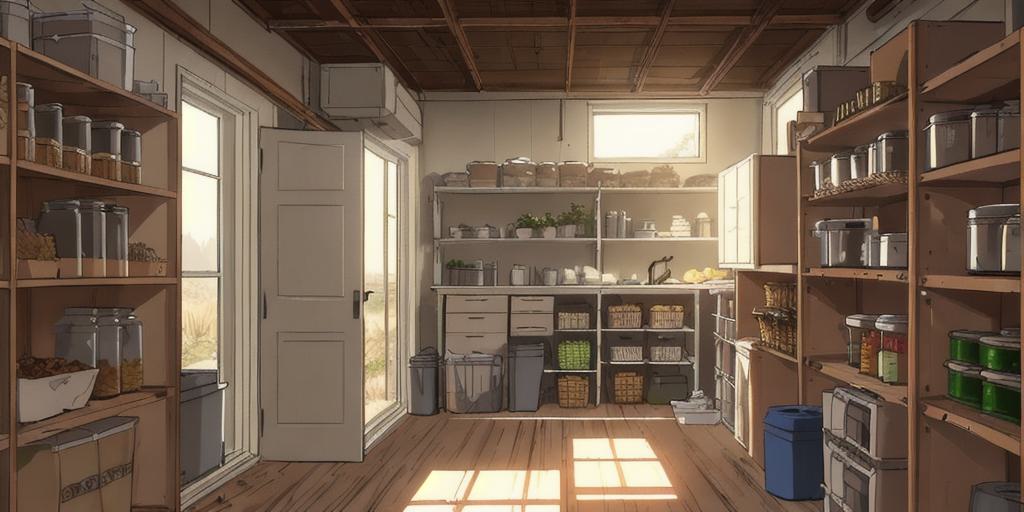
Think of your food storage as a personal food oasis. Not just a place to store canned goods and dry pasta, but a curated collection of preserved foods that reflect your dedication to self-reliance and sustainability. And remember, the power of adaptation lies in your hands. Whether it’s modifying an old recipe or using the internet to learn a new preservation technique, the key is to adapt and evolve.
From Preparedness to Self-Reliance: Building a Resilient Food Storage System
Self-reliance is not merely about having the right tools or skills; it’s about building a mindset of preparedness, resilience, and adaptability. This mindset extends to your food storage system, which can act as a buffer in times of uncertainties. Whether it’s a natural disaster, economic downturn, or a simple power outage, a pantry filled with preserved foods can be your lifeline.
In the context of a basement food storage, as highlighted in this Basement Food Storage article, the essence of self-reliance shines through. It’s not just about storing food, but about utilizing space efficiently, knowing what to store and how to store it, and being able to access it when needed.
So, whether you’re looking to break free from the 9-5 grind, live closer to nature, or cultivate a more resilient lifestyle, remember this: building a self-reliance food storage system is not a task, but a journey. A journey that, in its own unique way, brings you closer to the earth, to nature, and to the heart of self-reliance.
The Importance of Food Security in Achieving Self-Reliance

Food Security: The Bedrock of Self-Sufficiency
At the heart of self-reliance lies a simple, yet profound concept: food security. It’s about the empowerment that comes from knowing you can feed yourself, regardless of external circumstances. As we’ve seen in nations across the globe, from Barbados to Ethiopia, achieving food security is a testament to the resilience and resourcefulness of a society. It’s a journey that takes planning, patience, and a deep commitment to self-reliance.
But let’s not forget, food security is not just a matter of national policy. It’s deeply personal. It’s about making choices that align with your values and lifestyle, and taking actions that move you closer to self-reliance, one step at a time.
The Freedom of Self-Reliance
Imagine being able to sustain yourself and your family not just for a few days or weeks, but for months or even years. Imagine the peace of mind that comes from knowing you can weather any storm, whether it’s a sudden job loss, an economic downturn, or a global pandemic. This is the promise of self-reliance, and it starts with food security.
Take the story of Malaysia, a nation that, despite its limited land area, has managed to ensure a stable rice supply for its people. Or consider the tale of South Sudan, a country that, despite its many challenges, is striving towards food self-sufficiency.
These stories all highlight one important truth: the path to self-reliance is not always easy or straightforward. It’s a journey filled with trials and triumphs, setbacks and successes. But it’s also a journey filled with profound rewards. The freedom of self-reliance is not just about survival; it’s about thriving on your own terms.
The Journey Towards Self-Reliance
So, how do you embark on this journey towards self-reliance? Start with what you have. Your garden, your kitchen, your local community – these are all resources you can tap into. Learn from those who have walked this path before. Use the internet to access information and connect with like-minded individuals. Harness modern technology to augment traditional methods of food preservation and storage.
Remember, self-reliance is a process, not a destination. It’s about cultivating a mindset of resilience and adaptability. It’s about taking small, consistent steps towards a larger goal. And most importantly, it’s about embracing the journey, with all its challenges and rewards.
So go ahead, take that first step towards self-reliance. Plant a seed, learn a new skill, build a food storage system. Embrace the freedom that comes from knowing you can sustain yourself. Because in the end, the journey towards self-reliance is not just about food security; it’s about personal empowerment and freedom.
The Benefits of Store-Bought vs. Homemade Food Storage for Self-Reliance
Store-Bought vs. Homemade Food Storage: A Cost-Benefit Analysis
As you tread the path toward self-reliance, you’ll encounter a fork in the road: store-bought or homemade food storage. Each has its merits, but the choice ultimately depends on your personal circumstances, preferences, and goals.
Store-bought food storage systems offer convenience and reliability. They’re professionally manufactured and rigorously tested, designed to provide long-term, fail-safe storage. This can be a reassuring option if you’re just starting your journey and seeking a safety net. It’s akin to buying a bookshelf from a store – it comes with instructions, it’s standardized, and you know it will hold your books.
However, store-bought systems can also be pricey and may not offer the flexibility to suit your specific needs or preferences. They are, after all, mass-produced, designed with a one-size-fits-all approach.
Diving into DIY: The Homemade Advantage
On the other hand, homemade food storage systems can be a labor of love and a testament to your self-reliance. Like making your own bookshelf, it may not be perfect, but it’s yours. You know every nook and cranny, every strength, and every weakness, because you built it.
Building your own food storage system not only can be a cost-effective solution, but it can also imbue a sense of accomplishment and ownership. It’s a tangible manifestation of your commitment to self-reliance and can be customized to fit your specific needs and circumstances. Plus, there’s a wealth of information and resources available online to guide you through the process.
The downside? It requires time, effort, and a certain level of skill. There’s also a learning curve, and mistakes may lead to waste or spoilage. But remember, failures are stepping stones, not roadblocks. With every mistake, you learn, adapt, and grow.
Striking a Balance: The Hybrid Approach
Why not have the best of both worlds? A hybrid approach can provide a balance between convenience and personalization. You can start with a basic store-bought system and then modify or expand it based on your needs. Or, you can build your own system but incorporate some professionally made components for critical areas.
Remember, your journey toward self-reliance is personal. There’s no one-size-fits-all approach. Whether you choose store-bought, homemade, or a hybrid approach, the key is to ensure it aligns with your values, lifestyle, and long-term goals. Embrace the journey, learn from your experiences, and enjoy the freedom that comes with self-reliance.
The Magic of Self-Reliance: A New Approach to Food Storage
As we delve into the world of self-reliance, we discover an enchanting dimension where food storage and preservation become more than just practicalities. They transform into symbols of independence, empowerment, and a harmonious connection with nature.
Home canning, for instance, not only lets you savor the freshness of summer produce in the heart of winter, but it also puts you in charge of the quality and safety of your food. This control extends to your budget as well, as preserving seasonal bounty can lead to significant savings and a reduction in waste.
When we dive deeper, we find that food storage isn’t just about the food itself. It’s also about the organization and accessibility of your pantry, the efficiency of your storage system, and the strategic planning of your meals. This level of organization not only makes your daily life easier but also ensures that you’re well-prepared for any unexpected situations.
Meanwhile, diversifying your food storage approach is essential for nutritional balance and emergency preparedness. Having a variety of preservation methods and food types at your disposal is key to maintaining a well-rounded diet, despite the challenges that may arise.
Ultimately, the journey to self-reliance through food storage and preservation is a rewarding one. It’s a journey that cultivates resilience, resourcefulness, and a deeper appreciation for the food we eat. So, as you embark on this journey, remember: every jar you seal, every pantry shelf you organize, and every meal you plan is a step towards self-reliance and a testament to your commitment to a healthier, more sustainable lifestyle.