Off-grid energy storage systems are an increasingly viable option for those seeking to become self-sufficient and establish a closer connection to the environment. These systems, operating independently from the main electricity grid, offer a sustainable and reliable power source. The rapid growth of this sector is fueled by several factors, including government support of renewable energy technologies, decreasing costs of batteries and solar panels, and growing environmental consciousness among individuals.
Here are a few key takeaways:
- Off-grid energy storage systems can provide a stable power source, particularly in remote or underdeveloped regions.
- The two main types of batteries used in these systems are Lithium-ion and Lead-acid, each with their own benefits and drawbacks.
- Off-grid energy storage systems have a wide range of applications, from powering homes to providing emergency power backup in public facilities.
- Despite initial investment challenges, the future of off-grid energy storage looks bright with increasing interest and demand for this technology.
- Emerging technologies are expanding the possibilities of off-grid energy storage.
Off-grid energy storage systems: an overview
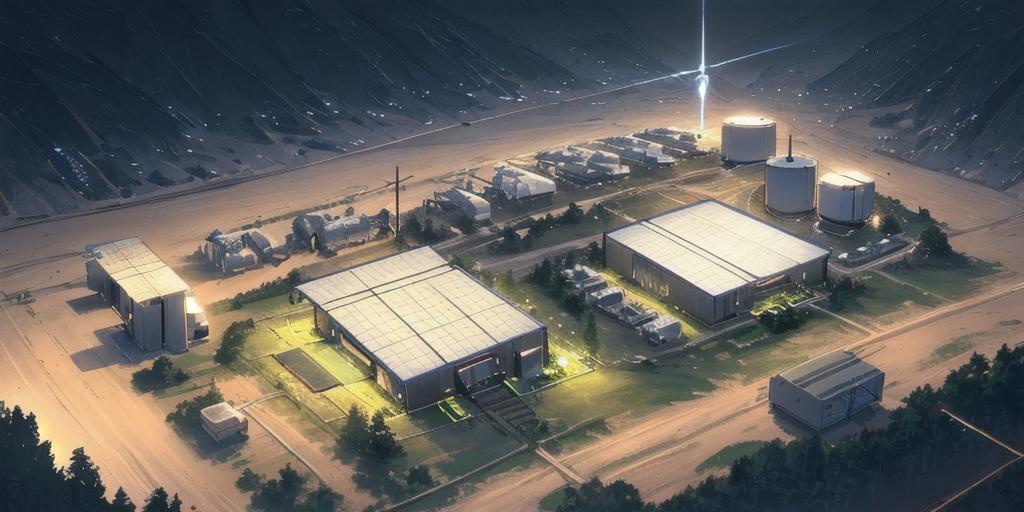
Understanding the Off-Grid Energy Storage Landscape
Imagine a life where you’re no longer tied to the unpredictability of the local grid, where power outages are a thing of the past. Picture a world where you’re in control of your own energy, efficiently harvested from renewable sources like the sun or wind. This is the promise of off-grid energy storage systems. An increasingly viable option for those seeking self-sufficiency and a closer connection to the environment, these systems are revolutionizing our relationship with energy.
Off-grid energy storage systems, as the name suggests, operate independently from the main electricity grid. This independence allows for a more sustainable and reliable power source, particularly in remote or underdeveloped regions. The rapid growth of this sector is fueled by several factors, including governmental support of renewable energy technologies, decreasing costs of batteries and solar panels, and growing environmental consciousness among individuals.
According to a report on MarketWatch, the global Off-grid Energy Storage Systems market is expected to reach multimillion USD by 2030. The key players driving this industry include EnerSys, Samsung SDI, LG, Sonnen, Fronius, among others, each contributing to the market’s growth with their innovative solutions and strategies.
Types of Off-Grid Energy Storage Systems
When we talk about off-grid energy storage systems, we are primarily referring to batteries. These are not your everyday AA batteries, but large-scale, high-capacity powerhouses capable of storing significant amounts of energy. The two main types of batteries used in these systems are Lithium-ion and Lead-acid.
Lithium-ion batteries, the same type found in your smartphone or laptop, offer higher energy density and longer lifespan. They are compact and efficient, making them an attractive option for off-grid systems. On the other hand, Lead-acid batteries, the type used in most cars, are less expensive but require more space and weight.
Emerging technologies are also introducing other types of batteries to the market, such as flow batteries and sodium-ion batteries, expanding the possibilities for off-grid energy storage.
Applications of Off-Grid Energy Storage Systems
Off-grid energy storage systems have a wide range of applications, extending beyond just powering your home. They can serve as Family Backup Power during power outages or in off-grid areas, ensure Uninterrupted Power Supply (UPS) for essential equipment in industries, and power Unattended Equipment such as remote monitoring and surveillance systems. They can even provide emergency power backup in public facilities like hospitals and schools.
As we embrace the potential of off-grid energy storage systems, we also take a step closer to a sustainable future. A future where we harness the power of the sun and the wind, storing it for use when we need it. A future where we are less reliant on fossil fuels, and more in tune with the rhythms of our planet. This is the promise of off-grid energy storage systems, a promise that we can all be a part of.
Advantages and challenges of off-grid energy storage
Embracing the Independence of Off-Grid Energy Storage
Living off-grid is not just about escaping the hustle and bustle of modern life. It’s about embracing self-sufficiency, freedom, and independence. And what could be more liberating than producing and storing your own energy?
Off-grid energy storage systems offer you the opportunity to break free from the shackles of energy companies and their ever-increasing prices. By harnessing the power of the sun or wind, you can generate your own electricity, store it for later use, and become a part of a more sustainable and eco-friendly future.
However, it’s not all sunshine and roses. As with any emerging technology, there are challenges to overcome. The conference “Off Grid Energy Independence” in Berlin, for example, discussed the technological and commercial feasibility of decentralized, autonomous energy systems. The event highlighted the need for a holistic simulation approach to design, analyze, and optimize system architectures.
Breaking Down the Barriers to Off-Grid Living
One of the biggest barriers to widespread adoption of off-grid energy storage systems is the initial investment required. High-quality batteries and renewable energy generation equipment don’t come cheap. Yet, as more people opt for this lifestyle and the technology continues to evolve, prices are expected to drop, making it more accessible to everyone.
Another challenge is the technical knowledge required to install and maintain an off-grid energy storage system. It’s not as simple as plugging in a solar panel and watching the electricity flow. You need to understand the intricacies of energy generation, storage, and usage. Thankfully, there are many resources available to help you on your journey, from online tutorials to hands-on workshops.
Regulatory issues present another hurdle. In some regions, it’s not legal to disconnect from the grid completely, and in others, there are restrictions on the installation of renewable energy systems. Navigating these rules can be tricky, but with the right information and support, it’s achievable.
The Future of Off-Grid Energy Storage
Despite the challenges, the future of off-grid energy storage looks bright. The Off-grid Energy Storage Systems market is expected to grow annually by 11.8% (CAGR 2023 – 2030), which indicates an increasing interest and demand for this technology.
Emerging technologies, such as hybrid solar cells that capture energy from both the sun and raindrops, are expanding the possibilities of off-grid living. Innovations in battery technology are increasing efficiency and reducing costs, making off-grid energy storage more viable than ever.
Imagine a world where every home generates and stores its own electricity, where power outages are a thing of the past, and where we are all a little more connected to the natural world. That’s the promise of off-grid energy storage. And with each passing day, we’re getting a little closer to making that dream a reality.
Types of off-grid energy storage systems
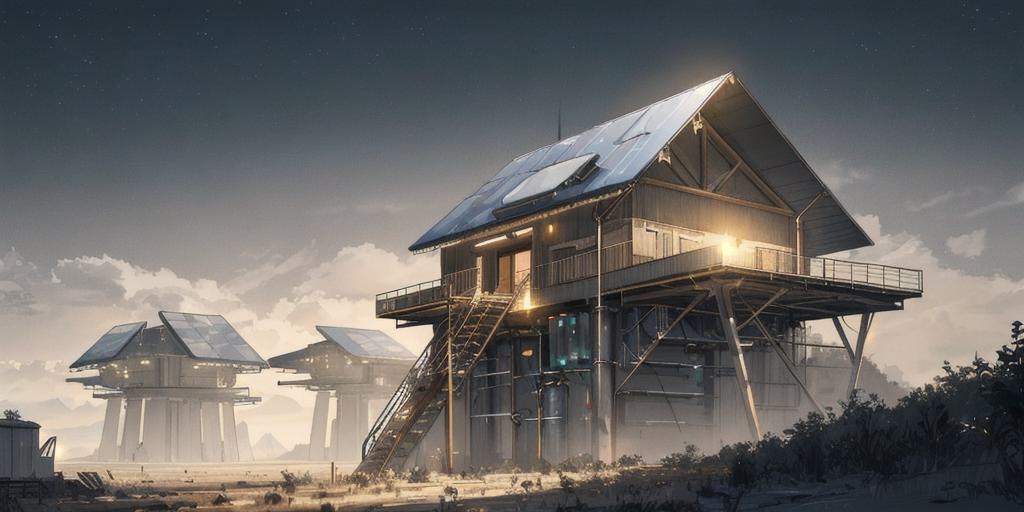
Unleashing the Power of Nature: Solar and Wind Energy Storage
When it comes to harnessing the raw, elemental power of nature, two sources stand out in particular: the sun and the wind. These sources of renewable energy are not only abundant and ever-present, they’re also free for the taking, making them perfect for off-grid living. But in order to truly harness their power, you’ll need an effective storage system.
Solar panels and wind turbines are the typical means of capturing this energy, but the real unsung hero of the story is the battery storage system. After all, the sun doesn’t shine at night and the wind doesn’t always blow, so having a reliable way to store that generated energy for later use is crucial.
There are several types of batteries to consider, each with its own strengths and weaknesses. For example, lead-acid batteries are affordable and widely available, but they have a shorter lifespan. Lithium-ion batteries, on the other hand, are more expensive but offer a longer lifespan and higher efficiency. According to the Off-grid Energy Storage Systems market report, the Lithium-ion Battery segment is expected to grow at a significant rate between 2022 and 2028.
Microgrids and Energy Pods: The New Frontier of Energy Storage
While traditional battery storage systems have their place, a new generation of energy storage solutions is on the horizon. Microgrids and energy pods are two of these exciting developments.
A microgrid is essentially a mini power grid that can operate independently from the main grid. It can generate, distribute, and regulate the flow of electricity to a small number of users. This makes it an excellent solution for remote communities or individual homes seeking energy independence.
Energy pods, on the other hand, are portable energy storage systems that can be transported and installed anywhere. They offer a flexible, modular solution for off-grid living, and can be easily scaled up or down depending on your energy needs.
These innovative solutions are not just game-changers for those living off the grid. They also hold great promise for disaster relief, military operations, and remote industrial sites, offering a reliable source of power where traditional grid infrastructure is either unavailable or impractical.
Embracing the Future of Off-Grid Energy Storage
Whether you’re a seasoned off-grid veteran or a curious newcomer, it’s clear that the world of off-grid energy storage is evolving rapidly. With a growing array of storage options and a steady stream of technological advancements, achieving energy independence has never been more feasible or more exciting.
It’s not just about saving money or escaping the confines of the traditional grid. It’s about embracing a more sustainable, self-sufficient lifestyle – one that respects the environment, values resilience, and cherishes the freedom that comes with independence.
So if you’re ready to take the plunge, consider your energy storage options carefully. Whether it’s a traditional battery system, a cutting-edge microgrid, or a portable energy pod, the right solution is out there. All you need is the courage to seize it.
Designing an off-grid energy storage system for a specific location
Choosing the Right Location for Your Off-Grid Energy Storage
When designing an off-grid energy system, location matters. It’s akin to the real estate mantra of “location, location, location.” Your choice of locale can profoundly influence the effectiveness, efficiency, and overall success of your energy storage system.
Remember, we’re not just talking about physical location here. We’re also delving into the less tangible aspects like weather patterns, available resources, and local regulations. These factors can make or break the viability of your off-grid living dream. Parker Abercrombie and Art Ludwig explore these considerations in depth, particularly looking at how to optimize water storage.
Understanding Local Weather Patterns and Resources
The interplay between your energy storage system and local weather patterns is crucial. For instance, for a solar energy system, areas that receive abundant sunlight throughout the year would be ideal. Conversely, for wind energy systems, locations with steady and strong wind currents make more sense. It’s about aligning your energy source with the natural resources available at your chosen location.
But don’t stop at just the obvious. Dive deeper. Understand the nuances of your local resources. Explore seasonal changes. Are there periods of the year when sunlight or wind is scarce? How will that impact your energy storage and usage? These are questions you need to answer to design a robust and reliable off-grid energy system.
Navigating Local Regulations and Restrictions
When going off-grid, you’re not just stepping away from traditional energy sources. You’re also stepping into a new landscape of regulations and restrictions. Each location has its own set of rules that govern renewable energy systems. These can range from restrictions on the installation of wind turbines to regulations around water usage for hydroelectric systems.
Don’t let these legal hurdles deter you. Instead, see them as challenges to overcome. With careful planning, diligent research, and perhaps a bit of negotiation, you can navigate these regulatory waters successfully.
Embrace the Journey of Going Off-Grid
Designing an off-grid energy storage system is not just about the end goal of energy independence. It’s about the journey. It’s about learning, experimenting, and overcoming challenges. It’s about embracing a lifestyle that values sustainability, resilience, and freedom.
So, embark on this journey with an open mind and a spirit of adventure. Embrace each challenge as an opportunity to learn and grow. And remember, the right location is not just about geography; it’s about finding a place that aligns with your values, your lifestyle, and your vision of a sustainable future.
Cost-benefit analysis of off-grid energy storage

Deciphering the True Cost of Off-Grid Energy Storage
As the world moves toward a more sustainable future, off-grid energy storage systems have emerged as a powerful tool to attain energy independence. But before you dive headfirst into this new frontier, it’s essential to understand the true costs associated with these systems. Remember, “every expense is really an investment and every investment an expense.”
Investment in Equipment: The Initial Price Tag
Off-grid energy storage systems, like their counterparts in the global market, come with an upfront investment. This includes the cost of the storage system itself and any associated components, such as solar panels or wind turbines. Depending on the technology and capacity, this can range from a few hundred to several thousand dollars.
Keep in mind, however, that a higher initial investment doesn’t necessarily equate to a poor financial decision. More often than not, superior quality and performance come with a heftier price tag. The key is to consider the long-term returns on your investment.
Operational Expenses: The Hidden Costs
Like a well-planned garden, an off-grid energy system requires regular maintenance to ensure optimal performance. This can include routine cleaning, part replacements, and system checks. While these costs may seem insignificant in isolation, they can accumulate over time, becoming a substantial part of your energy budget.
Moreover, there’s the cost of energy loss to consider. No system is 100% efficient. Some energy is inevitably lost in the process of storage and retrieval. Your aim should be to minimize this loss through efficient design and use of technology.
The Unseen Benefits: Counting the Intangibles
When calculating the cost-benefit analysis of off-grid energy storage, it’s easy to overlook the intangible benefits. These systems offer a level of autonomy and resilience that traditional energy sources simply can’t match. They allow you to control your energy production and consumption, free from the constraints of utility companies and fluctuating energy prices.
Moreover, they contribute to a sustainable future, reducing your carbon footprint and helping preserve the planet for future generations. These benefits, while difficult to quantify, are invaluable.
As you venture into the realm of off-grid energy storage, remember that the journey is as important as the destination. It’s about more than just achieving energy independence; it’s about experimenting, learning, and contributing to a sustainable future. So, go ahead, take the leap, and “may the power be with you!”
Off-grid energy storage and renewable energy integration
Integrating Renewable Energy: The Game Changer
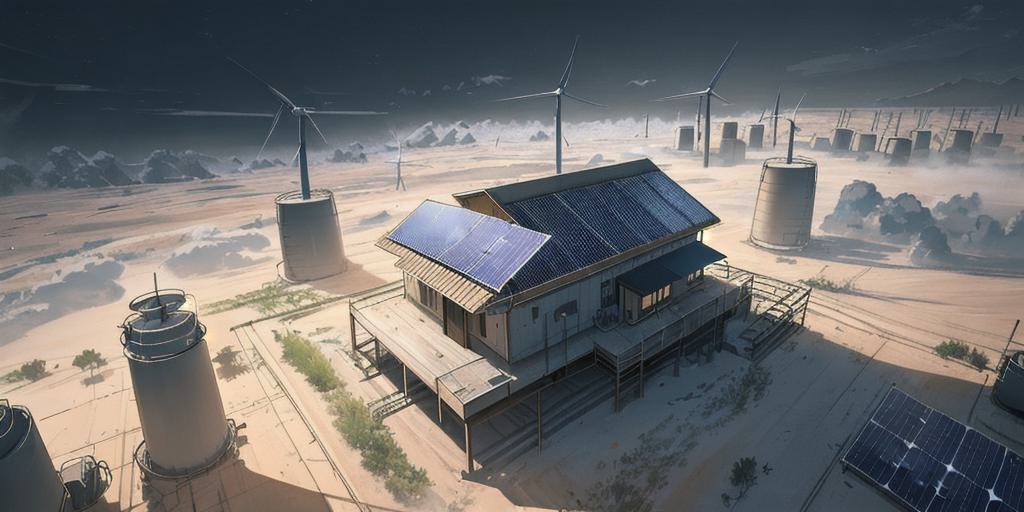
Imagine a world where your energy supply is as reliable as the rising sun, except that unlike the sun, it doesn’t set when the day ends. That’s the promise of integrating renewable energy sources with off-grid energy storage. You could be harnessing the sun’s rays in the heart of a summer day, or capturing the wind’s power during a gusty afternoon, and store that energy for use when you need it. It’s like having a genie in a bottle, only this time the genie is renewable energy.
And it’s not just about being able to light up your house at night or keep your devices running. It’s about providing grid stability and smoothing the integration of renewable energy into the power grid. When energy generation matches energy consumption, the grid frequency remains stable. But when this balance is upset, stored energy can be dispatched to restore equilibrium.
Unleashing the Potential: The Art of Energy Storage
The true potential of renewable energy lies in its storage. It’s like the difference between a snapshot and a movie. A snapshot captures a moment in time, while a movie tells a story that unfolds over time. Similarly, an energy storage system can capture the energy produced during peak hours and use it to weave a tale of energy independence that lasts well beyond the sunset.
Imagine a system that could store energy not just for hours, but potentially unlimited periods. Imagine an energy system that operates at upwards of 85-90% efficiency, a far cry from the 35-40% efficiency ratio of conventional coal and gas generators. This isn’t a pipe dream, it’s a reality being built right now in Ireland with the development of a flywheel plant. It’s the kind of disruptive innovation that could turn the energy market on its head.
Joining the Revolution: The Road to Energy Independence
Joining the renewable energy revolution is more than a lifestyle choice, it’s a conscious decision to play a part in shaping a more sustainable future. It’s about stepping away from the constraints of traditional energy sources and embracing a world where energy independence is within your grasp. It’s about becoming the master of your own energy destiny.
With companies like Sunverge Energy developing intelligent energy management systems that enable homeowners and businesses to save money, reduce local exposure to grid outages and offset the need for new power generation, the road to energy independence has never been more accessible.
So, as you contemplate your off-grid energy storage options, remember this isn’t just about the numbers, it’s about your role in the larger narrative of our planet’s sustainable future. Embrace this journey with curiosity, courage, and a commitment to create a meaningful impact. After all, in the game of energy, the player with the most power wins.
Safety considerations for off-grid energy storage
Understanding Your Off-Grid Energy Storage Safety Needs
Before diving headfirst into the world of off-grid energy storage, it’s essential to have a clear understanding of your safety needs. Just like a seasoned sailor who understands the importance of compass and maps before setting sail, you need to ask yourself critical questions. What is the capacity of your energy storage? How will you ensure the safe operation of your system? What kind of environment will the energy storage system be in? Remember, safety isn’t just an aspect, it’s the whole picture.
Consider this example from the EcoWatch team, who dream of living off the grid. They acknowledge that it’s not as simple as just flipping your breaker panels off, as there are safety concerns, legal considerations and energy corporations to consider. In this journey towards energy independence, safety is your compass, guiding you through the unknown waters.
Evaluating and Mitigating Risks: Your Off-Grid Energy Safety Net
With the ever-evolving landscape of energy storage technology, it’s crucial to stay informed about the safety regulations and industry best practices. Much like a chess player contemplating their next move, consider the potential risks associated with your energy storage system. It’s not about avoiding risks, but about understanding them, planning for them, and turning them into informed decisions.
Look at interconnection standards, for instance. As the number of grid-tied energy storage systems increases, existing interconnection processes and standards may need modifications. These changes should allow for faster and more economical interconnections while ensuring the safety and reliability of the grid. It’s a delicate dance of innovation and safety, a dance that keeps the rhythm of evolution in sync with the melody of precaution.
Maximizing Benefits, Minimizing Threats: The Harmony of Safety and Efficiency
At the intersection of safety and efficiency, you’ll find the sweet spot for off-grid energy storage. It’s not a zero-sum game where safety gains mean efficiency losses. Instead, it’s about creating a harmonious relationship between the two. Just like a well-tuned orchestra, where each instrument contributes to the overall performance, every component of your energy storage system plays a part in its safety and efficiency.
Take, for example, the design of your battery storage system. Proper sizing and configuration not only ensure optimal performance but also contribute to the overall safety of your system. Similarly, the right selection of inverters and charge controllers can enhance both the efficiency and safety of your off-grid energy storage system. It’s about creating a system that is more than just the sum of its parts, it’s about creating a symphony of safety and efficiency.
So, as you embark on your journey towards off-grid living, remember that safety considerations are not just checkboxes to tick off. They are integral parts of the puzzle, as essential as the energy you are storing. Embrace this process with due diligence, foresight, and an unwavering commitment to safety. After all, in the realm of off-grid energy storage, safety isn’t just a priority, it’s a lifestyle.
Battery technologies for off-grid energy storage
Unearthing the Potential of Battery Technology for Off-Grid Living
Imagine the freedom of living off-the-grid, yet still having the power to brew your morning cup of coffee, charge your laptop, or keep the lights on, all without being tethered to the conventional energy grid. It’s a dream many chase, but not without its challenges. The solution? Battery technologies for off-grid energy storage. Let’s dig into the earth of this intriguing tech landscape.
The current marketplace is buzzing with a variety of battery technologies, each with its own quirks, perks, and potential pitfalls. From the widely known Lithium batteries to the robust Nickel-Iron cells, each technology has a place, a purpose, and a potential. The key is not to blindly choose the latest or the loudest, but to select the one that sings in harmony with your unique situation. It’s about choosing the right tool for the job, not the shiniest one on the shelf.
Lead Acid Batteries: The Old Reliable
Lead Acid batteries have been the go-to for energy storage for decades, thanks to their cost efficiency and simplicity. They’re the workhorse of the battery world, reliable and robust, but they have their caveats. They’re heavy, for one, and they don’t take well to high power draw appliances. But, if you’re willing to adjust your energy consumption patterns and keep them well-charged, these old reliables can last as long as your solar panels. It’s like brewing the perfect cup of coffee; it’s not just about the beans, but how you brew it.
Nickel-Iron Batteries: The Eco-Friendly Powerhouse
For those seeking a more environmentally friendly option, Nickel-Iron batteries, lovingly known as NiFe cells, might be the answer. These robust batteries are forgiving of overcharging and undercharging, and their components are eco-friendly. However, they do require regular topping up with distilled water and need to be housed in a well-ventilated space. It’s the equivalent of having a pet; they need a bit of care and attention, but they’ll be loyal to you for a long time.
Lithium Batteries: The Lightweight Champion
Then, there’s the Lithium batteries, the reigning champions of portable devices. Their lightweight, energy-dense nature makes them ideal for handheld devices and electric vehicles. But like a finely-tuned race car, they require a well-designed management system to prevent faults and potential safety hazards. It’s like running a successful online business; it’s not just about the product, but how you manage it.
Remember, the choice of battery technology for your off-grid energy storage should not be a hasty decision. It’s not a sprint, but a marathon. It’s about understanding your needs, the capabilities of the technology, and the environment in which it will operate. So take your time, do your research, and make an informed decision. After all, in the journey towards off-grid living, the right battery isn’t just a component, it’s a companion.
Energy storage for remote off-grid communities
Navigating the Challenges of Energy Storage in Remote, Off-Grid Communities
Escaping the 9-5 grind and moving closer to nature, living ‘off-the-grid’ is an alluring prospect. However, it’s not as simple as packing your bags and retreating into the wilderness. The challenges are numerous, and chief among them is energy storage. Let’s dive into the world of remote, off-grid communities and explore how they’re navigating energy storage in a world increasingly moving away from conventional energy sources.
Adapting to the Arctic: A Tale of Resilience and Innovation
In the remote off-grid communities across the Arctic regions of northern Canada and Alaska, traditional diesel generators are the norm. But transporting fuel to these areas can be difficult and costly. Enter wind turbines and solar photovoltaic (PV) arrays. Although they can destabilize the system at high penetration levels, energy storage can help them achieve significant fuel savings. This article by Jim McDowall, ESS Business Development Manager at Saft Batteries, dives into the control strategies and Arctic installation challenges. It’s a testament to human ingenuity and resilience, asserting that even in the most challenging conditions, there’s a way to harness nature’s power.
The Tidal Surge: Exploring Renewable Energy in Coastal Communities
On the other side of the spectrum, remote West Coast communities in British Columbia have been exploring tidal energy as a solution to their reliance on diesel for electricity generation. The natural ebb and flow of coastal waters provide a predictable source of renewable energy, ideal for powering small, off-grid communities. This report by The Star delves into the success of a tidal energy demo project set up in Blind Channel. Despite the challenges, such as construction costs and power storage, the project paints a promising picture for similar set-ups in other remote coastal communities.
Whether it’s harnessing the harsh winds of the Arctic or the rhythmic tides of the coast, remote communities are leading the charge in alternative energy storage solutions. They’re living proof that you don’t have to be tied to the conventional grid to enjoy the comforts of modern living. But remember, it’s not just about the destination, but the journey. The path to off-grid living is a marathon, not a sprint. So take your time, do your research, and embrace the adventure.
Off-grid energy storage for sailboat or RV owners

Powering Your Freedom: The Potential of 12V Energy Storage
Imagine having the freedom to navigate the endless blue seas or traverse the vast landscapes in your RV, without the dread of running out of power. The solution to this predicament lies in the versatile and efficient 12V LiFePO4 batteries, as they are increasingly being adopted by RV and sailboat owners for their energy storage needs. These batteries, known for their high energy density, fast charging capabilities, and a longer lifespan, provide reliable power for lighting, appliances, and other electrical systems. Harnessing the benefits of these batteries is a step closer to a self-sufficient and sustainable lifestyle. (source)
Wind and Sun: A Dual Approach to Energy
One RV owner from Colorado shares his experience of setting up an off-grid power system. Using a combination of wind and solar energy, he has managed to create a reliable energy source for his hunting cabin. The energy generated from the wind turbine and solar panels is stored in 12V batteries and converted via a power inverter for use. This setup, while initially demanding in terms of installation and investment, pays off in the long run by providing independence and sustainability. (source)
Overcoming Constraints: The Challenge of Installation
While setting up an off-grid energy system can seem daunting, the rewards it brings in terms of cost savings and environmental impact are immense. However, the journey towards a self-sufficient lifestyle is not without its challenges. For instance, an owner of a sailboat faced certain constraints when installing a wind turbine due to the need for large clearance and the heavy-duty nature of the equipment. Yet, the turbine’s ability to generate substantial power in windy conditions made it a viable solution to energy needs during cloudy or rainy days. (source)
The journey towards energy independence is akin to a grand adventure. Although fraught with challenges and requiring initial investments, the rewards lie in the freedom to live the life you choose – closer to nature and away from the confines of conventional grids. So gear up, embrace the challenge, and step into the world of off-grid energy storage. And remember, the end goal is not just sustainability, but also the joy of living on your own terms.
Stepping Off the Grid: Embracing the Power of Self-Sufficiency
The surge in popularity of off-grid energy storage systems is not accidental. It is a deliberate push towards a sustainable, reliable, and self-sufficient energy source. The disconnection from the main electricity grid is not just physical but also symbolic, representing a break away from dependence on traditional energy sources.
But how do these systems work? At the heart of off-grid energy storage are batteries, the powerhouses capable of storing significant amounts of energy. The two main protagonists in this narrative are Lithium-ion and Lead-acid batteries. Lithium-ion batteries, compact and efficient, offer higher energy density and longer lifespan. On the other hand, Lead-acid batteries, though requiring more space and weight, are less expensive. The choice, as always, lies with the user.
The application of off-grid energy storage systems extends beyond powering homes. They can serve as family backup power during power outages, ensure uninterrupted power supply for essential industrial equipment, and even provide emergency power backup in public facilities like hospitals and schools. The versatility of these systems is a testament to their potential to revolutionize our relationship with energy.
However, the journey towards off-grid living is not without challenges. The initial investment, technical knowledge required for installation and maintenance, and regulatory issues present significant hurdles to overcome. Yet, the future looks bright. With the global Off-grid Energy Storage Systems market expected to grow annually by 11.8%, there is increasing interest and demand for this technology.
Emerging technologies such as hybrid solar cells and advancements in battery technology are expanding the possibilities of off-grid living. With every home generating and storing its own electricity, we are moving closer to a world where power outages are a thing of the past, and we are all a little more connected to the natural world. This is the promise of off-grid energy storage.
So, as you contemplate stepping off the grid, remember to consider your energy storage options carefully. The right solution is out there, waiting for you to seize it. The journey towards energy independence is an adventure filled with challenges and rewards. But in the end, it’s about embracing a more sustainable, self-sufficient lifestyle – one that respects the environment, values resilience, and cherishes the freedom that comes with independence.