Off-grid living in Europe is no longer a far-off dream but a viable reality for a growing number of individuals and communities. This lifestyle, which combines modern technology with traditional methods for a sustainable existence, is becoming increasingly popular due to its myriad benefits. These include a healthier lifestyle, a deeper connection to nature, a stronger sense of community, and the satisfaction of living in harmony with the Earth.
However, transitioning to off-grid living is not without its challenges. It requires a shift in mindset, a willingness to learn new skills, and the courage to step outside your comfort zone. Despite these hurdles, those who make the leap often find the rewards well worth the effort.
- Off-grid living fosters a healthier lifestyle and a deeper connection with nature.
- It allows for a stronger sense of community and mutual cooperation.
- Despite the challenges involved, the rewards of off-grid living are immense.
- Off-grid living requires a willingness to learn, adapt, and step outside of one’s comfort zone.
- It demonstrates the possibility of a sustainable, comfortable lifestyle that doesn’t sacrifice our connection to nature or community.
Off Grid Living in Europe: A Guide to Sustainable Communities
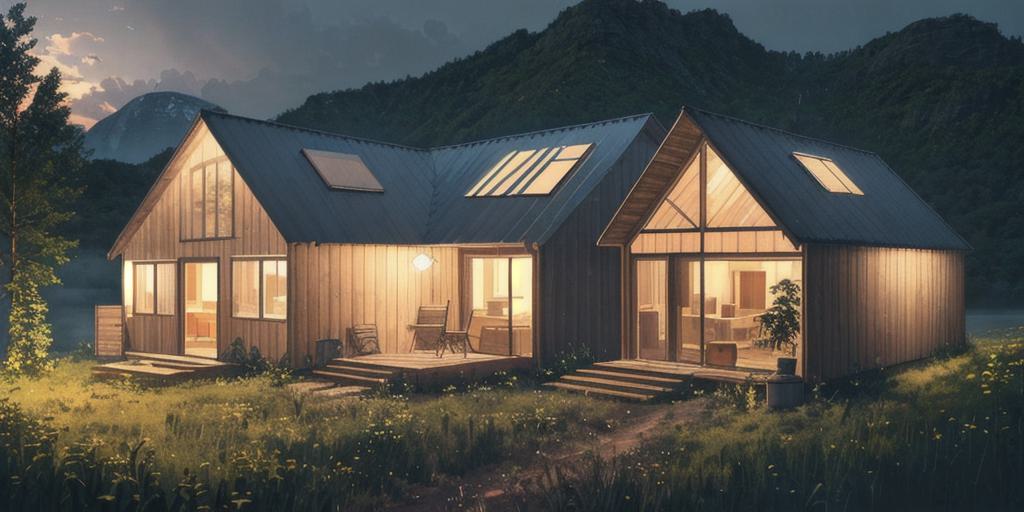
Breaking Free: The Allure of Off-Grid Living
Imagine a life untethered from the daily grind, where the rhythm of nature sets your schedule, and the fruits of your labour nourish your body and soul. This isn’t fantasy, but a reality for a growing number of people across Europe who have chosen to step off the grid and into a life of sustainable independence.
From eco-villages in Spain to self-sufficient homesteads in the Scandinavian wilderness, off-grid communities in Europe are as diverse as the landscapes they inhabit. Yet, they share a common goal: to create a healthier, slower-paced lifestyle that respects the environment and nurtures the human spirit.
Unplugged, But Not Disconnected
Living off the grid doesn’t mean living in isolation or reverting to a pre-industrial era. On the contrary, it’s about integrating modern technology and traditional methods to create a balanced, sustainable lifestyle. Solar panels, wind turbines, and internet connectivity coexist with organic gardens, handmade homes, and communal living practices.
Take for example the story of a family who moved from a bustling city to a remote island in the South Pacific. They swapped their high-stress jobs and consumerist lifestyle for a simpler, more meaningful existence. With the help of solar power and the internet, they work remotely, homeschool their children, and enjoy a quality of life that city living could never offer.
But transitioning to off-grid living isn’t without its challenges. It requires a shift in mindset, a willingness to learn new skills, and the courage to step outside your comfort zone. It’s not for everyone, but those who make the leap often find it’s worth the effort.
Building Sustainable Communities: A Shared Vision
Off-grid living isn’t just about individual self-sufficiency. It’s also about building resilient, sustainable communities that can weather the storms of economic uncertainty and environmental change. These communities are founded on principles of cooperation, mutual aid, and respect for the natural world.
Consider the example of an off-grid community in rural Oregon. Instead of relying on the traditional model of competition and individual ownership, the community operates on a shared economy. They pool resources, exchange skills, and make collective decisions that benefit the community and the environment. This approach not only reduces their ecological footprint, but also fosters a sense of belonging and purpose that’s often missing in mainstream society.
As we face the dual challenges of climate change and economic instability, off-grid communities offer a glimpse of an alternative way of living. They show us that it’s possible to live comfortably and sustainably without sacrificing our connection to the natural world or our sense of community.
Whether you’re dreaming of a cabin in the woods, a yurt on a mountain, or a tiny house on a remote island, there’s an off-grid community out there that’s just right for you. The journey may be challenging, but the rewards are immeasurable: a healthier lifestyle, a deeper connection to nature, a stronger sense of community, and the satisfaction of knowing that you’re living in harmony with the Earth.
The Rise of Off Grid Communities in Europe: Trends and Challenges
Embracing the Off-Grid Solar Revolution
In the quest for sustainable and independent living, the adoption of off-grid solar power systems has taken center stage. This transition to a sun-fueled existence is not just a testament to the innovative spirit of humanity, but also a practical response to the escalating environmental and economic challenges of our times. A recent study reveals that the off-grid solar power system market is projected to reach multi-million by 2030, indicating a significant shift towards renewable energy consumption.
From rural households in Bangladesh powering their TVs and refrigerators to an entire island community in the South Pacific embracing a solar-powered lifestyle, the off-grid solar revolution is palpably transforming lives. But what does this mean for those seeking a more sustainable and purpose-driven existence in Europe? Let’s delve into the trends and challenges shaping the rise of off-grid communities in Europe.
Solar Adoption: A Game Changer for Off-Grid Communities
Off-grid solar systems offer more than just an alternative source of electricity. They are a conduit for a paradigm shift in the way we perceive and interact with our environment. By harnessing the sun’s energy, communities are not just reducing their dependence on conventional power grids, but also taking a decisive step towards reducing their carbon footprint.
These solar powered systems, ranging from 3KW to 100KW and more, cater to a diverse array of energy needs, from residential to commercial. Reduced panel costs and a global push towards renewable energy is encouraging more households and businesses to adopt these systems. The off-grid solar market is expected to grow at a CAGR of 11.50% over the next decade, signaling a bright future for solar adoption.
Challenges in the Sunlight: The Road Ahead
While the future of off-grid solar appears promising, it is not without its challenges. The recent geopolitical tensions and the enduring impact of the Covid-19 pandemic have caused disruptions in supply chain and economic instability, potentially affecting the growth of the off-grid solar market. However, it’s worth noting that the demand for reliable and sustainable energy, especially in remote areas, continues to rise.
Overcoming these challenges requires a blend of innovative thinking, cooperation, and a steadfast commitment to sustainability. It’s a journey that demands a shift in mindset, a willingness to learn, and the courage to step outside the comfort zone. But those who tread this path often find that the rewards – a healthier lifestyle, a deeper connection with nature, and a thriving community – are well worth the effort.
In essence, the rise of off-grid communities in Europe, powered by the sun and driven by a shared vision of sustainability, signals a hopeful and exciting shift in our relationship with the environment. It’s not just about breaking free from the grid, but about creating a world where we live in harmony with nature and each other. It’s a journey that’s not just about reaching a destination, but about how we get there – one solar panel, one community, one day at a time.
The Benefits of Off Grid Living in Europe: Cost Savings and Quality of Life
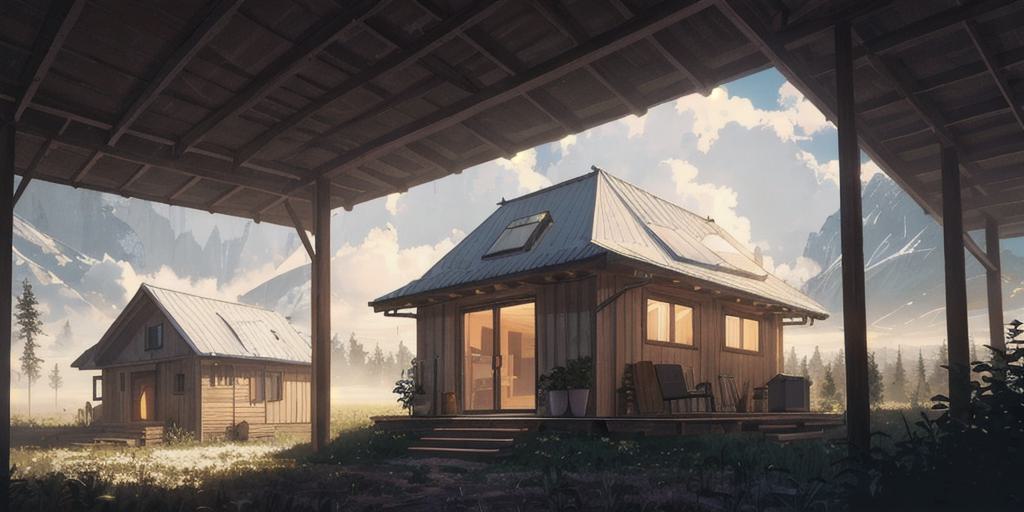
Reaping the Financial Harvest: Cost Savings in Off-Grid Living
Stepping off the grid might sound like a romantic escape, but it’s also a financially savvy move. In Europe, the traditional energy landscape is like a lumbering dinosaur, burdened by outdated infrastructure and rising costs. By contrast, the off-grid lifestyle is like a nimble gazelle, darting nimbly through the savannah of financial freedom.
Take the case of the Passivhaus design, an innovative approach to energy-efficient construction. These buildings maintain a near-constant temperature with minimal heat input, reducing energy usage to a mere 10% of that of a standard new build. The result? Up to 90% savings on energy bills. While the initial outlay might be higher, the long-term savings are undeniable, making the off-grid lifestyle an increasingly attractive proposition for the dollars and cents minded among us.
The Green Life: Luxury Meets Sustainability
The off-grid lifestyle is not just about cutting costs, it’s about embracing a new way of living. A life that is not only sustainable but luxurious. The idea of eco-chic is no longer a contradiction in terms. The sustainable home marketplace is experiencing a monumental shift in consumer perception and understanding. Homebuyers now realize the investment in green elements, as a fourth consideration alongside location, price, and floor plans, will pay off.
As a case in point, look at the surge in environmentally friendly housing and landscaping. Green elements, as beautifully outlined in this Sotheby’s article, are now a sought-after luxury. High-performance homes that are healthy, aesthetically pleasing, and sustainable are becoming the norm. The eco-shift is global, with homeowners and developers deliberating on how to build smarter, greener homes from the ground up.
Building a Healthier Future: Off-Grid Living and Wellbeing
There’s more to the off-grid lifestyle than financial savings and the lure of luxury. It’s also about health and wellbeing. Europeans spend almost 90% of their time indoors, and climate change is worsening existing indoor environmental problems as well as indoor air quality. But resilient, eco-friendly buildings, as highlighted in this UFE article, improve the quality of life for occupants.
Off-grid living in Europe offers an escape from the city’s smog-filled skies, the opportunity to breathe in clean, unpolluted air, and the chance to cultivate healthier living habits. From growing your own food to harnessing renewable energy sources, the off-grid lifestyle is a holistic approach to health and wellbeing that extends beyond the four walls of your home.
In summary, off-grid living in Europe isn’t just about breaking free from the constraints of the grid. It’s about reaping financial benefits, embracing a luxurious yet sustainable lifestyle, and fostering a healthier, happier existence. It’s a holistic approach to living that marries the practical with the idealistic, and the financially savvy with the environmentally conscious.
Exploring Europe’s Most Innovative Off Grid Communities
The Art of Slowing Down: Embracing the Off-Grid Pace
Remember the famous hare and tortoise tale? Where the hare, with all its speed and agility, lost to the slow, persistent tortoise. The off-grid living can be compared to the pace of the tortoise – slow, steady, and ultimately rewarding. It’s not about rushing through life, but savouring the journey, absorbing the environment around you, and experiencing the rich tapestry of life in all its natural glory.
When you live off-grid, you’re not just disconnecting from the power lines; you’re unplugging from the frantic tempo of the mainstream life. It’s about getting back to the basics, going back to our roots, and experiencing life as our ancestors once did. Not in a primitive way, but in a liberating, empowering way that allows us to take control of our own lives.
The Digital Nomad: Remote Working in Off-Grid Europe
Living off-grid doesn’t mean you have to renounce the 21st century and live like a hermit. On the contrary, it can offer the perfect balance between modern life and nature. This is particularly true for digital nomads – individuals who leverage technology to work remotely and live an independent and nomadic lifestyle.
Off-grid communities in Europe are increasingly attracting digital nomads, thanks to advanced satellite internet connections and solar-powered charging systems. It’s a lifestyle that allows you to break free from the traditional 9-5 routine, work from wherever you want, and explore the beautiful landscapes of Europe – all while making a positive impact on the environment.
The Culinary Adventure: Growing Your Own Food Off-Grid
For the gastronomically inclined, living off-grid presents an exciting culinary adventure. Imagine the joy of cooking with fresh, organic vegetables that you’ve grown in your backyard, or baking bread with wheat harvested from your field. The off-grid life is a culinary canvas, waiting for you to paint your masterpiece.
Not only does this provide a unique satisfaction, but it also contributes to a healthier lifestyle. By growing your own food, you can ensure it’s free from harmful pesticides and genetically modified organisms. Plus, the physical activity involved in gardening is a great way to stay fit and active. So, living off-grid isn’t just an adventure for the palate, it’s a recipe for a healthier life.
Navigating European Off Grid Regulations: A Legal Guide

Decoding European Off-Grid Regulations: A Step towards Simplicity
A common misconception about off-grid living is the perceived legal complexities. However, contrary to popular belief, the legal framework is approachable, once you understand the basic regulations. Europe, as a host to numerous off-grid communities, has progressively adapted its regulations to cater to the unique needs of this lifestyle.
The first step is understanding the distinction between land use rights and building rights. A piece of land in Europe might be ripe for your off-grid dreams, but it’s crucial to ascertain the permitted uses for the property. The local municipality usually stipulates these regulations, and they can greatly vary from one region to another.
Securing Building Permits: A Necessary Hurdle
Once you’ve secured the land rights, the next step is obtaining the necessary building permits. This might seem like a bureaucratic hurdle, yet it’s a necessary one. Generally, permits are required for any permanent structures, including your dream off-grid home, and any renewable energy installations such as solar panels or wind turbines.
While the process can be time-consuming, it provides an opportunity for you to design your off-grid life. Think of it as a puzzle, where each piece represents a significant aspect of your off-grid lifestyle, from power generation to water supply, and waste disposal. Combined, these pieces form a beautiful mosaic of your future life, balanced in harmony with the natural world.
Power Generation and Waste Disposal: Harmonising with Nature
The cornerstones of your off-grid existence – power and waste management – have their own set of regulations. Most European countries encourage renewable energy sources, offering tax incentives and subsidies to make the transition smoother. However, it’s important to be aware of any restrictions, especially in protected natural areas.
Waste disposal, on the other hand, is a challenge that requires innovative thinking. Composting toilets, greywater recycling systems, and other sustainable waste management solutions are increasingly accepted by European regulations, paving the way for a truly self-sufficient life.
Remember, the goal isn’t to bypass the legal system. Instead, it’s about aligning your off-grid dreams with the regulatory framework, forging a path that respects both your desires and the environment. It’s a journey, a dance between man-made laws and natural laws, one that ultimately leads to a life of freedom, sustainability, and harmony with nature.
The Future of Off Grid Communities in Europe: Predictions and Opportunities
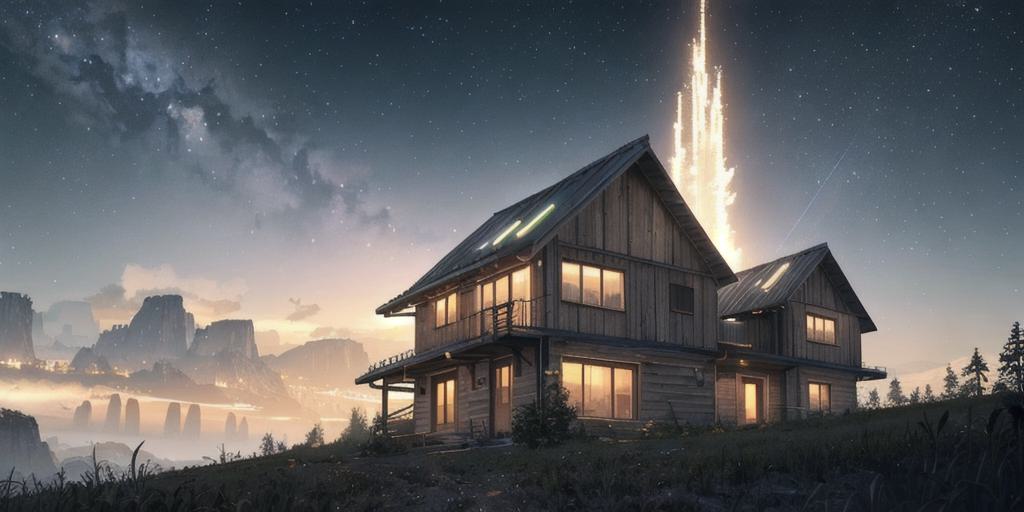
Embracing Renewable Energy Technologies for Off-Grid Living
As we navigate the path towards a greener future, the off-grid communities of Europe are stepping forth with a profound proposition: what if we could satisfy our energy needs directly from the sun, the wind, and the earth?
From the sunlit terrains of Spain to the wind-swept landscapes of Scotland, a quiet revolution is unfolding. Off-grid communities are increasingly harnessing renewable energy technologies, most notably solar and wind power, to generate electricity and heat. This is not just about environmental stewardship. It’s about accessing a virtually inexhaustible source of power that is both cost-effective and reliable.
As the global market for off-grid solar microinverters and the off-grid solar inverters expands, the technology is becoming increasingly accessible and affordable. This trend is expected to continue, opening up new possibilities for off-grid communities across Europe.
Adapting to a Digital Nomadic Lifestyle
Off-grid living in Europe is not about withdrawing from the world. Far from it. Many off-grid enthusiasts are digital nomads, earning their income online and maintaining their connections with the global community.
From running online businesses to freelancing in various fields, the possibilities are as diverse as the people who pursue them. With the right technologies and tools, you can live off the grid without sacrificing your career or your connection to the world.
As we embrace the digital age, we’re discovering that the ‘9-5 grind’ isn’t the only way to earn a living. It’s possible to carve out a fulfilling and lucrative career from the comfort of your off-grid home. All you need is a reliable internet connection, a bit of entrepreneurial spirit, and the courage to step off the beaten path.
Transforming the Food Chain: From Consumption to Production
Off-grid living is not just about how we power our homes or earn our income. It’s also about how we feed ourselves. In an age of industrial agriculture and processed foods, off-grid communities are embracing a more direct relationship with the food chain.
From growing vegetables and raising livestock to foraging for wild foods, off-grid living invites us to participate in the food chain not just as consumers, but also as producers. The result is not just healthier and tastier food, but also a deeper sense of connection with the land that sustains us.
Embracing this shift is not without its challenges. However, the rewards – both tangible and intangible – are immense. As we reconnect with the rhythms of nature, we discover a sense of abundance that no supermarket aisle can offer.
In the end, off-grid living is about more than escaping the rat race. It’s about forging a new way of life, one that is rooted in sustainability, autonomy, and harmony with nature. As we look to the future, the off-grid communities of Europe are lighting the way, proving that it’s possible to live well – and lightly – on the earth.
Off Grid Homes in Europe: Design and Construction Considerations
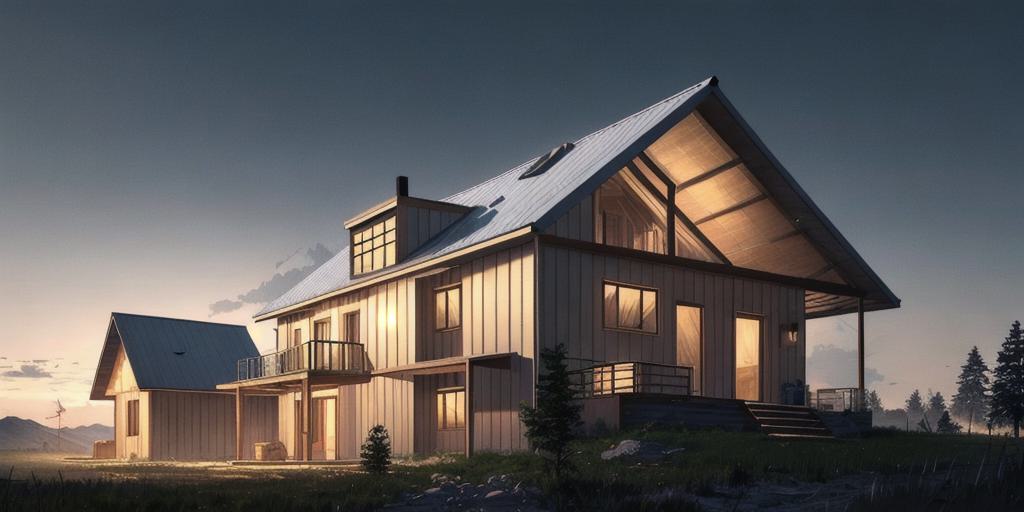
Reimagining Home Construction for Off-Grid Living
When planning an off-grid home in Europe, it’s crucial to consider the very bones of your dwelling. The traditional brick and mortar model might be a well-trodden path, but it’s not always the best suited for off-grid living. It’s time to look beyond the conventional and embrace advanced building science technologies.
Imagine constructing your home with Structural Insulated Panel Systems (SIPS) or Insulated Concrete Forms (ICFs). These innovative solutions reduce the overall energy needed to operate your home, making it an efficient and sustainable living space. This is not just about saving on your energy bills; it’s about creating a home that’s in harmony with nature, and that begins with the very materials you use.
However, the building envelope is only half the story. The next step is to consider how you can leverage the latest HVAC equipment to heat and cool your home efficiently. From 96% efficient 2 stage furnaces to ground source geothermal systems, the options are vast and exciting.
Designing for Self-Sufficiency
The design of your off-grid home extends beyond the walls and the roof. It’s about creating a living space that aligns with your values and aspirations. Off-grid living is not about retreating from the world; it’s about creating a space where you can live in harmony with nature while still enjoying the benefits of modern technology.
Consider the placement of windows and doors to maximize natural light and heat. Think about the orientation of your home to take full advantage of the sun’s path. Consider incorporating renewable energy technologies such as solar panels or wind turbines into your design. These are not mere add-ons, but integral components of your off-grid home.
But remember, the goal is not to create a fortress of solitude. Connectivity is key. As offshore energy islands and digital technologies evolve, being off-grid no longer means being off-line. With a reliable internet connection, you can participate in the global community, run an online business, or simply stay in touch with loved ones.
Crafting a Sustainable Lifestyle
Building an off-grid home is not just about the physical structure. It’s about crafting a lifestyle that’s sustainable and fulfilling. This means considering how you will source your food and water, manage your waste, and maintain your home over the years.
Going off-grid invites us to transform our relationship with food from passive consumers to active producers. Whether it’s growing a vegetable garden, raising chickens, or foraging for wild foods, becoming a food producer brings a sense of empowerment and connection to the natural world that’s hard to find in the supermarket aisle.
Water management is another crucial aspect of off-grid living. From harvesting rainwater to recycling greywater, there are myriad ways to ensure a sustainable water supply.
Off-grid living is not just about doing less harm to the planet; it’s about actively contributing to its wellbeing. It’s about crafting a lifestyle that’s not just sustainable, but regenerative. It’s about proving that it’s possible to live well – and lightly – on the earth.
Europe’s Off Grid Energy Landscape: Renewable Energy Sources and Technologies
The Green Energy Revolution: Europe’s Rising Star
Europe finds itself at the vanguard of an energy transformation that’s as revolutionary as it is essential. From windmills dotting the German landscape to the UK’s underwater ‘seamills’, Europe showcases a grand symphony of renewable energy technologies. This energy orchestra isn’t just about reducing carbon emissions; it’s about reshaping our relationship with energy and nature, fundamentally.
Each country acts as a unique laboratory, experimenting with different technologies and strategies, contributing to a collective pool of knowledge and innovation. It’s a brilliant embodiment of collective intelligence, a testament to human ingenuity and cooperation. But the key to this success isn’t merely technological prowess; it’s visionary leadership and strategic government policies that incentivize the necessary consumer behaviors and business practices.
But let’s delve deeper. Let’s illuminate the technologies that are powering this green energy revolution.
Solar 2.0: Grid-Flexible Solar Power Plants
Solar power has emerged as an essential player in the energy game, and it’s now stepping into its next evolution. Dubbed ‘Solar 2.0’, these are grid-flexible solar PV plants integrated into the energy system. They’re more than mere power generators; they’re dynamic contributors to a stable, interconnected energy grid.
Solar power banks, for instance, are proving to be practical solutions for off-grid living. They store energy, allowing it to be used as needed, reducing reliance on the grid. It’s about harnessing the power of the sun in increasingly efficient and versatile ways. The future of solar power is bright, indeed.
Wind and Water: Harnessing the Power of Nature
Wind power has swept across Europe, becoming a major energy source for countries like Germany, Spain, and Denmark. But the story doesn’t end with windmills on land. The power of the sea is being harnessed through innovative technologies like underwater ‘seamills’ and Portugal’s groundbreaking ‘sea snakes’. These utilize wave motion to generate electric power, opening up vast new possibilities for renewable energy generation.
European countries are not only exploring different renewable energy technologies, but they’re also actively working on integrating them into their respective power grids. This integration of renewable energy into existing infrastructure could lead to significant cost savings, making renewable energy even more economically viable.
Europe’s renewable energy landscape is a testament to human ingenuity, cooperation, and our capacity to adapt and innovate. It’s about embracing change, exploring possibilities, and building a sustainable future. And that’s not science fiction; that’s reality.
The Role of Community in Off Grid Living in Europe
Unleashing the Collective Power: Off-Grid Communities as Microcosms of Change
The off-grid living movement is not just a lifestyle choice; it’s an active statement of self-sufficiency and sustainability. From the sun-drenched hills of Spain to the lush forests of Scandinavia, off-grid communities are flourishing across Europe, embodying a collective yearning for a deeper connection to nature and a more sustainable way of life.
These communities are not just about living closer to nature; they’re about redefining our relationship with energy, technology, and each other. They’re about harnessing the collective power of community to create innovative solutions to the challenges of our time. They’re about finding the sweet spot where technology and nature intersect, where we can use the power of the sun, the wind, and the water to meet our needs without depleting the earth’s resources.
Innovations like Elon Musk’s Powerwall are making it easier for communities to store and use renewable energy, reducing reliance on traditional power grids and paving the way for a more decentralized energy system. These technologies are not just about reducing carbon emissions; they’re about empowering communities to take control of their energy use and move towards energy independence.
Creating a Living Laboratory: Off-Grid Communities as Catalysts for Innovation
Off-grid communities are not just places to live; they’re living laboratories for innovation and experimentation. Each community is a unique experiment in sustainable living, a test-bed for new technologies, strategies, and practices. Whether it’s designing energy-efficient homes, developing innovative water management systems, or experimenting with permaculture farming practices, these communities are pushing the boundaries of what’s possible.
Take, for instance, the reimagining of public baths as community spaces. Architects are reviving this ancient concept, focusing not just on luxury and privacy, but also on community and cultural change. These new bathhouses are not just places for relaxation; they’re spaces for social interaction and cultural exchange, fostering a deeper sense of community and connection.
Similarly, innovations like ENGIE’s PowerCorner are revolutionizing the way communities generate and distribute energy. These mini-grids are not just power generators; they’re dynamic contributors to a stable, interconnected energy system, providing clean, reliable, and cost-effective energy to off-grid communities.
From Consumers to Producers: The Power of Prosumerism in Off-Grid Communities
Perhaps one of the most profound transformations taking place in off-grid communities is the shift from being passive consumers of energy to active producers. This shift is not just about generating our own power; it’s about participating in the energy system in a more active and meaningful way. It’s about being a ‘prosumer’ – a producer and consumer of energy.
Prosumers have the power to shape the energy landscape, to make decisions about how and when to use energy, and to participate in the energy market in a more direct and impactful way. They can generate their own energy, store it, and sell it back to the grid when demand is high, creating a more resilient and responsive energy system.
The rise of the prosumer is not just a technological revolution; it’s a social and cultural one. It’s about reimagining our role in the energy system and redefining our relationship with energy, technology, and each other. It’s about cultivating a deeper sense of responsibility and empowerment, and harnessing the collective power of community to create a more sustainable and resilient future.
Off Grid Living in Europe: A Cultural Shift towards Sustainability
Art and Sustainability: The New Power Couple
The intersection of art and sustainability isn’t immediately obvious. Yet, when we dig deeper, we discover a delightful symbiosis. Just like the Ullapool Green Tease event in Scotland demonstrated, artistic practices can significantly contribute to social transformation towards a sustainable future. The artistic imagination enables us to visualize a greener, more sustainable world, and often inspires the practical solutions needed to bring that world into existence.
Artist Sarah Gittins’ ‘Sea Tangle’ is a case in point. Her work explored the intricate relationship between local fishing practices and the changing marine ecosystem. The octopus in her drawings became a symbol of the need to “learn to think in tangles,” to address the complexity of challenges posed by climate change. Art, in this instance, became a language, articulating the social and cultural value of the natural environment.
Living Off-Grid: A Symphony of Self-Sufficiency and Interconnectedness
Living off the grid is often seen as a retreat from society, a quest for self-sufficiency. Yet, as Topher Dawson’s experiences in the Scoraig settlement reveal, it’s also about interconnectedness. Off-grid communities foster a deep awareness of individual behavior fitting into a broader whole, leading to a profound connection with energy production and consumption.
Living off the grid, therefore, represents a shift from a disconnected lifestyle to a connected, conscious existence. It’s about finding the beauty and power in a wind turbine, appreciating it not just as a source of energy but as a symbol of resilience and independence.
Building Towards a Zero Carbon Future: A Shared Responsibility
Progress towards a zero-carbon future is not a solo journey. It’s a shared responsibility, a collective endeavor. Governments, industries, and individuals have crucial roles to play. The UK’s ambitious target for all new homes to have zero carbon emissions by 2016 is a testament to this collective responsibility.
Yet, as highlighted in the current state of UK’s housing, achieving this target requires more than regulations and technological advancements; it requires a shift in mindset. It requires us to see homes not just as shelters but as contributors to a sustainable future.
The journey towards a zero-carbon future is filled with complexity and challenges. Yet, it’s also filled with opportunities – opportunities for innovation, for reimagining our relationship with energy, and for building a more sustainable future. It’s a journey we must embark on, one step at a time, together.
Europe’s Off Grid Movement: A Growing Trend or a Niche Market?
Europe’s Off-Grid Revolution: A Deep Dive into Self-Sufficient Living
There’s a quiet revolution happening on the fringes of Europe. It’s not the kind that makes headlines or sparks controversy, but it’s transforming lives nonetheless. This is the off-grid movement, an emerging trend of individuals and communities choosing to live autonomously from the public utility grid. It’s a conscious decision to embrace a lifestyle that is more in tune with nature, less dependent on external factors, and richly rewarding in its simplicity.
Off-grid living is more than just a lifestyle choice; it’s a philosophy. It’s about recognizing the potential within ourselves to sustain our lives, and the power of community to support one another. It’s about understanding the intricate web of life and our place within it. Whether it’s generating your own solar power, growing your own food, or building your own home, each act of self-sufficiency is a testament to the human spirit and our innate resilience.
From Niche to Mainstream: The Growing Appeal of the Off-Grid Lifestyle
For a long time, off-grid living was considered a niche, an alternative lifestyle chosen by a select few. However, as concerns around climate change and resource depletion grow, more and more individuals are recognizing the value and appeal of a self-sufficient lifestyle. From Spain’s eco-villages to Denmark’s co-housing communities, off-grid living is moving from the fringes to the mainstream.
What’s more, the advent of digital technology and remote work has made it possible for off-grid enthusiasts to maintain their livelihood while living a life closer to nature. It’s no longer about forsaking modern amenities for a primitive existence. Rather, it’s about striking a balance between enjoying the benefits of technology and maintaining a sustainable lifestyle. The off-grid movement, in this sense, is a perfect embodiment of the fusion of tradition and innovation.
Challenges and Opportunities: The Future of the Off-Grid Movement
Despite the growing interest, the off-grid movement is not without its challenges. From legal hurdles to logistical issues to the need for community support, there are numerous factors that can make or break an individual’s or a community’s off-grid journey. However, these challenges also present opportunities for innovation, collaboration, and learning.
For instance, overcoming legal hurdles can lead to the development of more inclusive policies that recognize and support off-grid living. Logistical issues can inspire innovative solutions that make off-grid living more accessible and practical. The need for community support can foster stronger, more resilient communities that value cooperation and mutual aid.
So, is the off-grid movement just a growing trend or a niche market? It’s both, and more. It’s a lifestyle, a philosophy, a revolution. And like any revolution, it’s not without its challenges. But with every challenge comes an opportunity, and with every opportunity, a chance to redefine what it means to live a sustainable life.
The Symphony of Off-Grid Living in Europe
Off-grid living in Europe is blossoming into a beautiful symphony of sustainability, community, and innovation. It is a movement that is stirring up a revolution, pushing individuals and communities to question, explore, and redefine their relationship with energy, technology, and nature.
Off-grid communities are not just about living closer to nature; they’re about reimagining our relationship with energy and technology. They’re about harnessing the collective power of community to create innovative solutions to the challenges of our time. They’re about finding the sweet spot where technology and nature intersect, where we can harness the power of the sun, the wind, and the water to meet our needs without depleting the earth’s resources.
As the off-grid movement continues to gain traction, it is progressively moving from the fringes to the mainstream. More and more people are recognizing the value and appeal of a self-sufficient lifestyle. The advent of digital technology and remote work has made it possible for off-grid enthusiasts to maintain their livelihood while living a life closer to nature.
Yet, off-grid living is not without its challenges. Legal constraints, logistical issues and the need for community support are but a few hurdles that individuals and communities face on their off-grid journey. However, every challenge presents an opportunity for innovation, collaboration, and learning. Overcoming legal hurdles can lead to more inclusive policies that support off-grid living. Logistical issues can inspire innovative solutions that make off-grid living more accessible and practical.
In the end, off-grid living is not just about self-sufficiency. It’s about interconnectedness, resilience and sustainability. It’s about recognizing our place in the intricate web of life and cultivating a lifestyle that nurtures our planet. This is the beautiful symphony of off-grid living in Europe.