The concept of living off the grid, a choice to unplug from the power grid and embrace self-sufficiency, is far more profound than a simple escape from society. It involves a deep-seated shift in mindset and lifestyle, requiring one to independently generate power, harvest water, and often, grow their own food. Despite the challenges, it offers a more sustainable way of life, reducing waste, lowering your carbon footprint, and deepening your connection with nature.
- Living off-grid involves generating your own power, harvesting your own water, and often, growing your own food.
- Off-grid living can significantly reduce waste and lower your carbon footprint.
- Living this lifestyle can deepen your connection with nature and promote a more sustainable way of life.
Living Off Grid: What It Entails
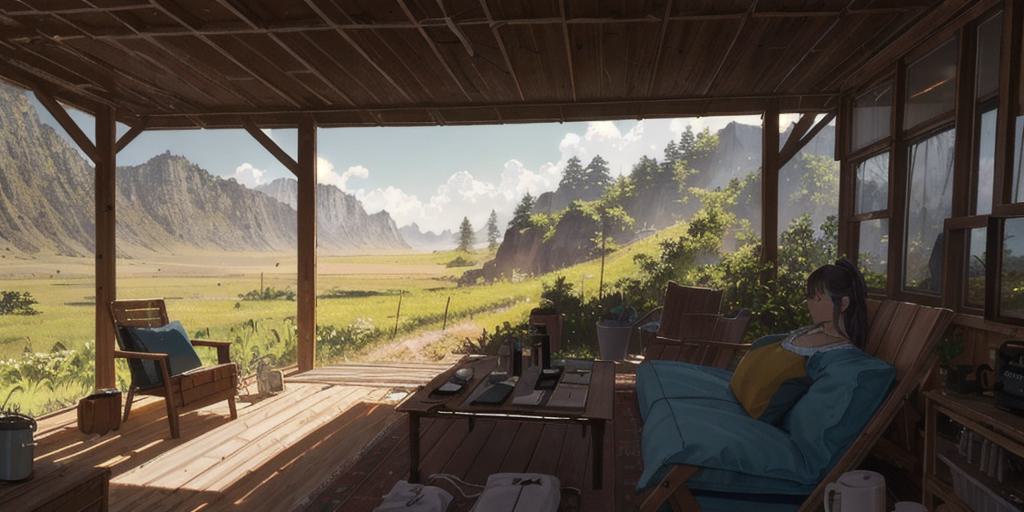
Unplugging from the Conventional: Embracing Autonomy
Living off the grid, a term often misconstrued as a form of hiding or an escape from society, is far more profound than that. It represents a conscious choice to disconnect from the conventional power system and embrace a life of autonomy. It’s about self-sustainability and the ability to thrive independently of societal structures.
To truly live off the grid means to disconnect not just from electricity, but also from water and sewer systems. It’s about creating your own power, harvesting your own water, and, in many instances, growing your own food. It’s a significant shift, a transition from the convenience of modern living to a life that requires a hands-on approach, technical know-how, and a profound respect for nature.
The Sustainability Shift: Reducing Impact and Increasing Freedom
This off-grid lifestyle, despite its challenges, offers a compelling reward: a more sustainable way of life. In our fast-paced modern existence, we have become voracious consumers. We’re consistently plugged into information, energy, water, and food sources, often with little regard for the impact. However, off-grid living presents an opportunity for a radical sustainability shift.
When you live off-grid, you replace the resources you take from the environment. A broken item doesn’t end up in a landfill; it either gets repaired or repurposed. It’s an opportunity to reduce waste, lower your carbon footprint, and make a positive impact on the planet. It’s about embracing a lifestyle that values repair over replacement, and sustainability over convenience.
A Return to Nature: The Sublime Off-Grid Experience
Beyond sustainability, off-grid living offers a unique opportunity to reconnect with nature. Far from the city’s concrete jungle, off-grid communities often nestle in pristine forests, beside crystal-clear water sources, and under a starlit sky. It’s a chance to replace the shrill city sirens with soothing birdsong, and the traffic jams with waterfall swims.
Off-grid living demands a shift from mindless scrolling on social media to mindful engagement with nature. It’s about living and working outdoors, where your backyard is an ever-changing tapestry of natural beauty. In this lifestyle, nature is no longer a distant entity viewed through a window. It becomes your neighbour, your classroom, and your playground. It’s a life where work, play, and learning are intricately woven into the fabric of everyday existence.
Living off grid is indeed a profound lifestyle change. It requires a shift in mindset, an openness to learning, and a willingness to engage directly with the challenges of daily life. But for those who make the leap, it offers an incomparable sense of freedom, a deep connection with nature, and a life lived in harmony with the planet.
The Benefits of Off-Grid Living
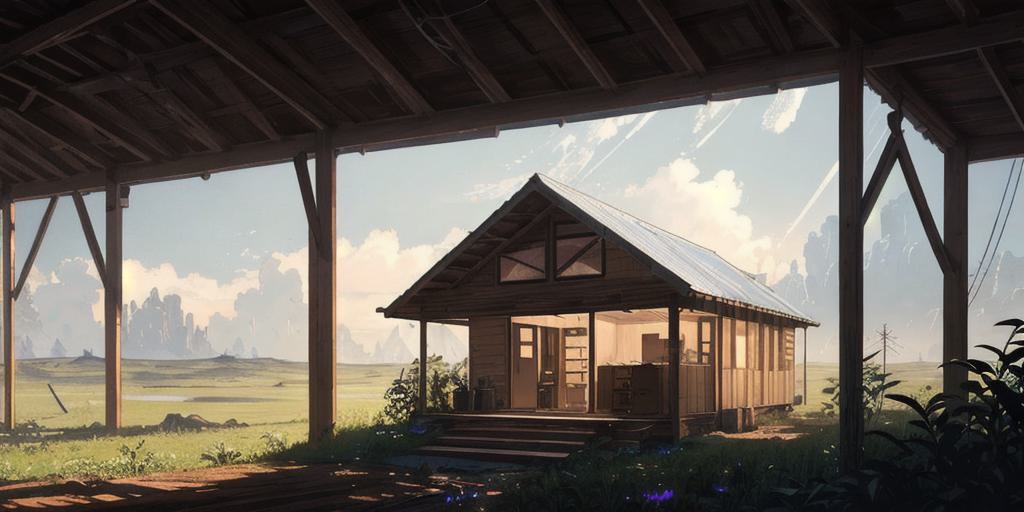
Reclaiming Personal Connections in the Digital Age
Off-grid living might initially appear as a retreat from society, but paradoxically, it can often lead to a richer sense of connection. Notably, the advent of Internet VSAT (Very Small Aperture Terminal) has ushered in a new era for off-grid dwellers, allowing them to maintain their ties with loved ones and the broader society. Being geographically isolated doesn’t require you to be socially disconnected.
With the power of satellite communication, off-grid residents can stay in touch with family and friends via email, social media, and video calls. This digital bridge connects the solitary serenity of the off-grid lifestyle with the bustling world beyond it, allowing for a unique blend of solitude and sociability.
Access to the Global Collective Consciousness
The Internet, often referred to as the global brain, is a vibrant repository of human knowledge, wisdom, and experience. Living off the grid doesn’t necessarily mean being cut off from this collective consciousness. Thanks to technologies like Internet VSAT, off-grid dwellers can tap into this wealth of knowledge, learn new skills, discover innovative solutions, and connect with like-minded individuals who share their values and aspirations.
Moreover, the Internet can play a crucial role in emergencies, providing access to vital services and information. Weather updates, potential threats, and emergency services are all within reach, ensuring safety and wellbeing in the off-grid lifestyle.
Financing an Off-Grid Lifestyle: The Digital Economy
Living off the grid doesn’t mean abandoning financial stability. The digital age has brought about a revolution in the way we work. Many off-grid dwellers leverage the power of the Internet to generate income through remote work or online businesses. Internet VSAT can support this economic model, enabling off-grid residents to work from home, run online stores, and manage their finances with ease, thereby ensuring the financial sustainability of their chosen lifestyle.
Moreover, technologies like solar power systems can hint at a future where we live in harmony with nature, yet still enjoy the conveniences of modern living. Harnessing the sun’s energy can power our digital devices, and in turn, power our lives, reducing our carbon footprint and contributing to a more sustainable world. Living off the grid can thus be seen as a pathway to a more holistic, balanced, and sustainable lifestyle, blending the best of both worlds.
Off-Grid Homes: Design and Construction
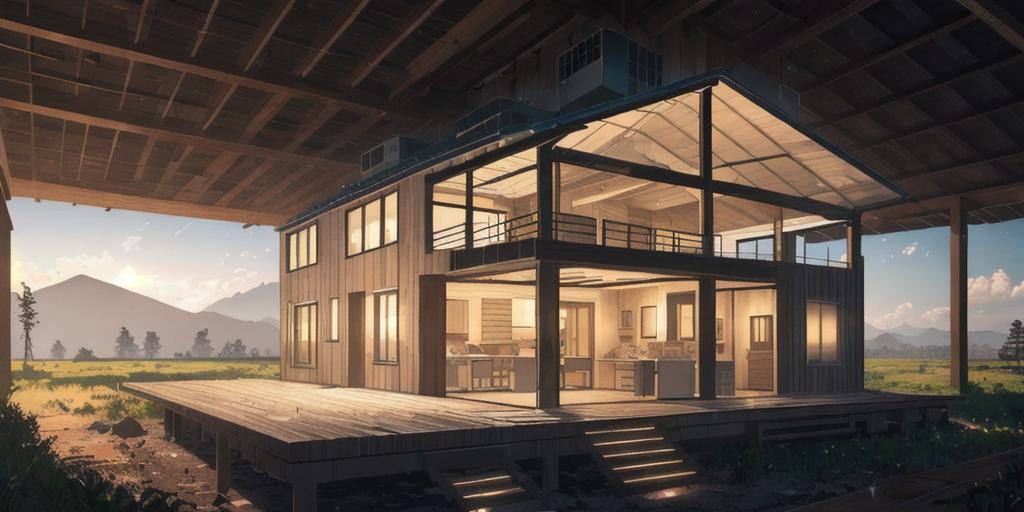
Embracing Localized Construction for Off-Grid Homes
When envisioning an off-grid home, one must consider a construction process that harmonizes with local resources and the environment. Embracing an ethos of localized construction can help make this a reality. The essence of this approach is simple: harness the materials and expertise that exist within your immediate surroundings. This involves engaging local builders who understand the land’s nuances, using materials that resonate with the landscape, and applying construction techniques that minimize environmental impact.
Consider the story of the Te Modular design in New Zealand. Its creation process was a testament to the power of local expertise and resources. The design used local construction methods to create a self-sufficient home. The result? A dwelling that seamlessly fits into its surroundings while being entirely off the grid.
Experimenting with Innovative Building Techniques
Going off-grid doesn’t mean sticking to the conventional. As the pioneers of off-grid living have shown, this lifestyle offers the freedom to experiment with innovative, sustainable, and resilient building techniques. Take Earthships, for instance. These experimental homes, born out of a desire for self-sufficiency and symbiosis with nature, embody a different way of living that challenges our notions of traditional housing.
As Trent Wolbe, an Earthship owner, notes, these structures inspire from a sustainability standpoint and offer possibilities for off-grid systems expansion. These off-grid homes, built with natural and upcycled materials, are designed to be thermally comfortable without heating or cooling, generate their energy, and collect rainwater. They represent a compelling blend of innovation, sustainability, and resilience- perfect for the off-grid dweller.
Embracing the Power of Prefabrication
The off-grid lifestyle invites us to rethink not just our relationship with nature, but also how our homes are built. Enter prefabrication. Prefab homes, like the Avrame A-frame tiny homes, offer a modern twist to off-grid living. These homes are engineered for durability, energy efficiency, and ease of construction, making them cost-effective solutions for off-grid living.
Prefab homes offer the charm of customization combined with the convenience of assembly. The steep roof angle of A-frame homes like Avrame’s is perfect for integrating solar panels, making them an excellent choice for off-grid applications. Moreover, their minimalist design aesthetic harmonizes with the ethos of off-grid living, creating a harmonious blend of functionality and style.
The bottom line? Designing and constructing an off-grid home is a journey of innovation and sustainability. It’s about embracing local resources, experimenting with new building techniques, and exploring alternatives like prefabrication. It’s about creating a home that’s not just a dwelling, but a testament to a sustainable, resilient, and harmonious way of life.
Sustainable Energy Sources for Off-Grid Living
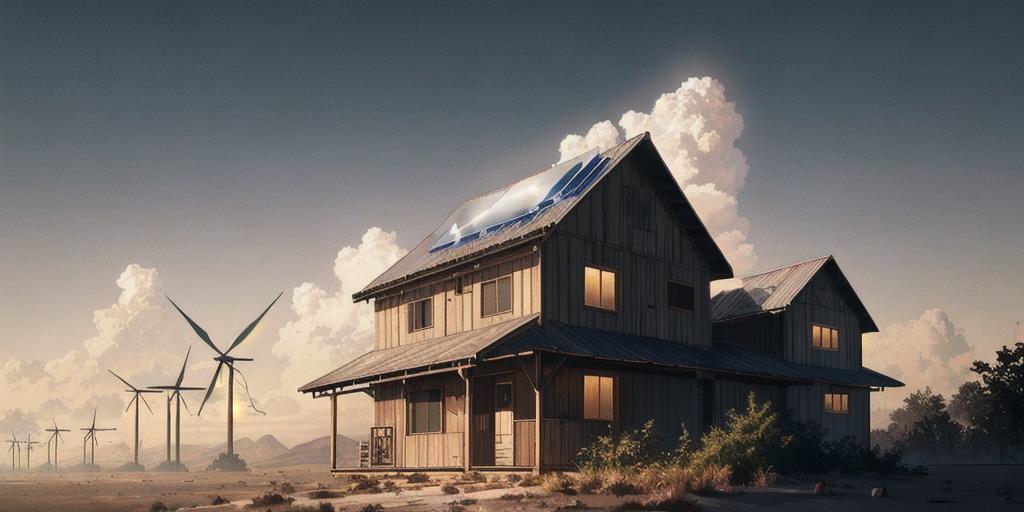
The Sun as Your Ally: Solar Power for Off-Grid Living
Stepping off the grid doesn’t mean stepping into the dark. With the power of the sun, we can light up our lives, quite literally. Solar panels have become the poster child of renewable energy, and with good reason. They offer a reliable, sustainable, and increasingly affordable way of generating electricity. They’ve gone from being a novelty to a necessity for those embracing the off-grid lifestyle.
Consider the experience of Gary Collins, a decade-long off-grid dweller and author who has leveraged the power of solar to maintain a comfortable lifestyle in some of the most remote areas. Solar panels, he found, were not just a way to power his appliances, but a gateway to independence and self-sufficiency, enabling him to live on his own terms [source].
With advancements in technology, solar solutions have evolved from bulky panels to portable solar generators, solar water heaters, solar-powered outdoor lights, solar ventilation fans, and even solar-powered battery chargers. These innovations not only provide electricity but also contribute to day-to-day conveniences like cooking, heating, and charging devices [source].
Wind and Water: Harnessing the Elements for Off-Grid Energy
While the sun is a powerful ally, it’s not the only force of nature that can fuel your off-grid lifestyle. The wind and water can be equally potent sources of renewable energy. Wind turbines, for instance, offer an excellent complement to solar power, especially in areas where wind resources are abundant.
Then there’s the untapped potential of hydroelectric power systems, which harness the energy of flowing or falling water. Though they might require more upfront investment and geographical prerequisites, they can provide a steady and reliable power source, making them an attractive option for off-grid living [source].
Staying Connected: Off-Grid Internet
Off-grid living doesn’t mean going off the radar. In fact, staying connected is integral to the modern off-grid lifestyle. Whether it’s keeping in touch with loved ones, accessing information, or conducting online business, internet connectivity is crucial. And thanks to Internet VSAT, a satellite-based communication system, we can enjoy high-speed internet connectivity even in the remotest locations [source].
From maintaining relationships and gaining access to a wealth of knowledge to managing remote work and ensuring safety during emergencies, Internet VSAT offers a plethora of advantages to off-grid dwellers. Furthermore, this technology pairs well with renewable energy sources and can be powered by solar panels or wind turbines, marrying sustainability with connectivity.
Growing Your Own Food Off-Grid
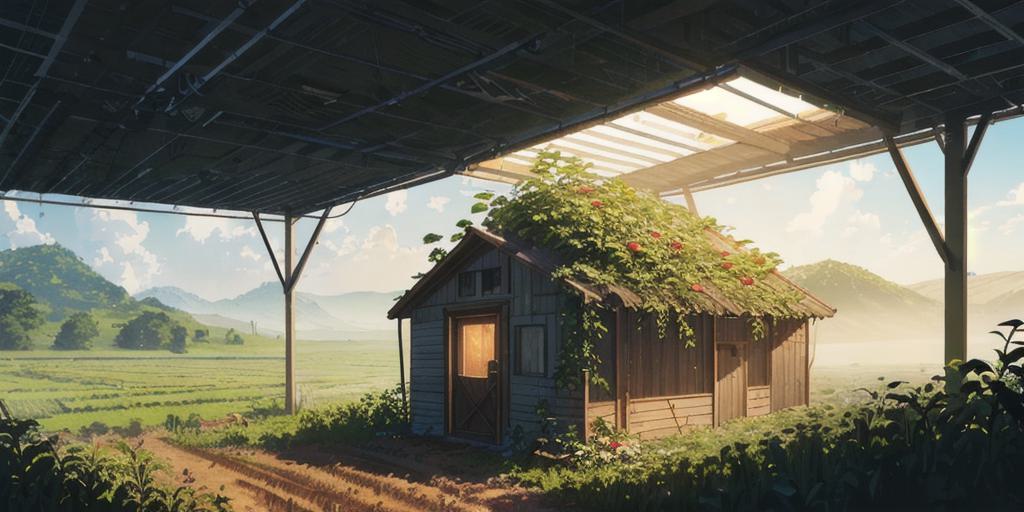
Embracing the Earth: The Foundations of Off-Grid Agriculture
As we delve deeper into the off-grid lifestyle, it’s impossible to ignore the crucial role of agriculture. Nurturing a symbiotic relationship with the Earth, we become architects of our own sustenance. But let’s be clear, farming off-grid isn’t a walk in the park. It demands planning, foresight, and a profound commitment. But, with the right approach, it’s an achievable goal that brings an unparalleled sense of accomplishment and independence [source].
Powering Your Green Thumb: Energy Efficiency in Off-Grid Farming
When we think of farming, we often picture tractors and plows, but off-grid farming paints a different, more intimate picture. Here, it’s essential to understand your energy needs and learn to manage them efficiently. This means generating only as much electricity as you need daily, and investing in systems like batteries to store surplus power for when you need it.
Yes, the initial costs might seem daunting, but remember, this is an investment in your independence. Moreover, don’t be afraid to consult with experts in renewable energy systems. They can offer invaluable advice tailored to your specific needs and circumstances [source].
Harvesting Nature: Growing Your Own Food Off-Grid
Moving past the technicalities of power and infrastructure, we uncover the soul of off-grid living: growing your own food. It’s more than planting seeds and reaping the harvest. It’s a dance with nature, a journey of discovery that deepens our connection with the world around us, and ultimately, with ourselves.
Gardening can be therapeutic, a meditative practice that puts us in tune with the natural rhythms of life. It’s also a hands-on lesson in patience and resilience. From testing soil health to selecting crops and storing seeds, each step is a learning curve, a chance to understand and appreciate the intricate workings of nature. And at the end of the day, there’s nothing quite like the taste of fresh, homegrown produce [source].
Ultimately, off-grid farming is an exercise in resourcefulness and creativity. It’s about finding ingenious ways to minimize waste and maximize productivity. It’s about becoming self-sufficient, self-reliant, and truly independent. As we step away from the grid, we step closer to our roots, rekindling our relationship with the Earth and discovering a whole new way of life.
Water Collection and Filtration for Off-Grid Living
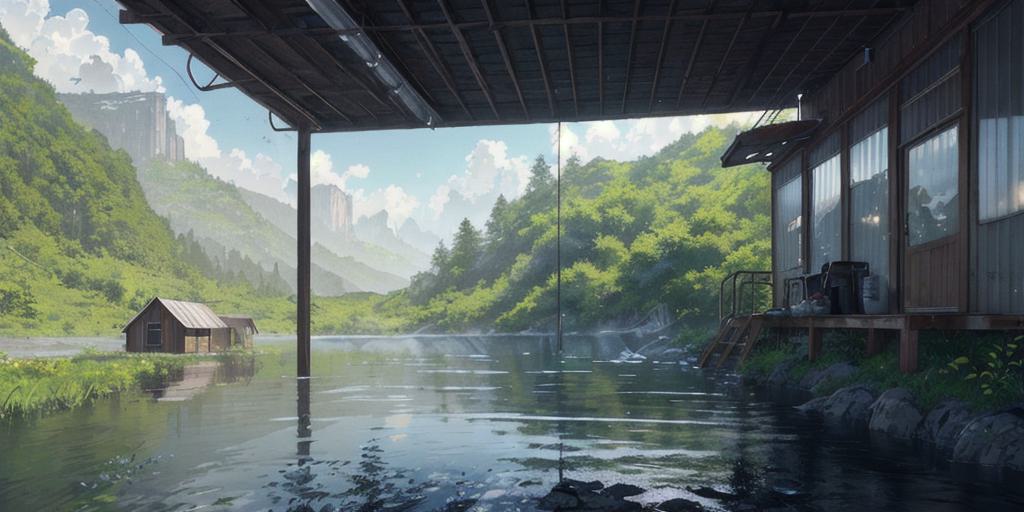
Harvesting the Skies: Rainwater Collection for Self-Sustenance
Imagine this: the skies rumble and the first droplets of rain fall onto your rooftop. Instead of merely observing this spectacle, you’re actively participating in it. Each drop that falls is potential sustenance, a gift from nature, ready to be harvested. In an off-grid lifestyle, rainwater collection isn’t just a fancy concept; it’s a fundamental component of your independence.
It’s a surprising fact that a 1000 square foot roof can catch 600 gallons of water from just 1 inch of rainfall [source]. Think about that for a moment. That’s a reservoir of life-giving water, literally falling from the skies. All you need to do is be ready to catch it. But how?
A well-designed rooftop catchment system is your first port of call. This involves gutters, downspouts, and a pre-storage filtration system. Your roof becomes a large funnel, guiding the rainwater into your collection system. But remember, not all roofs are created equal. The type of roofing material can affect the quality of the water collected. Some materials may leach undesirable substances into the water, so it’s essential to do your research first.
From Collection to Consumption: The Journey of Rainwater
Once you’ve successfully caught your rainwater, it’s time to consider storage and purification. Depending on your needs and the amount of rainfall your area receives, you may opt for anything from a large garbage bin to a full-blown rainwater harvesting tank system [source].
But let’s not forget the critical step of filtration and purification. While rainwater is typically cleaner than surface water, it can still contain particles, pollutants, and microorganisms that you wouldn’t want to consume. Simple filtration can remove debris, while boiling or chemical treatment can take care of harmful bacteria and viruses.
However, in the quest for purification, we must be careful not to strip away the beneficial minerals and “probiotics” naturally present in rainwater. In this sense, the aim is not sterile water, but healthy water [source].
Embracing Water Independence: The Power of Self-Sufficiency
Ultimately, the practice of water collection and filtration for off-grid living is about more than just hydration. It’s a step towards self-sufficiency, a declaration of independence from the mainstream water supply. And beyond the practicalities, it’s a way to reconnect with the natural world, to participate in the water cycle in a tangible, meaningful way.
Living off the grid doesn’t mean living without. It means living differently, taking the reins of your resources, and stepping closer to nature. With the right approach and a bit of ingenuity, you can turn every rainfall into an opportunity for self-sufficiency. And in doing so, you might just find that your relationship with water – and with the natural world – deepens in ways you never expected.
Off-Grid Communication and Connectivity
Remote Connectivity: The Power to Thrive Off-Grid
Living off the grid, for many, is a conscious step away from the hustle and bustle of urban life, a step closer to nature. But it doesn’t have to mean being disconnected from the rest of the world. Indeed, a key aspect of thriving in your off-grid haven is ensuring you have access to reliable communication and connectivity. A lifeline, a window to the world, a tether to the familiar – all wrapped up in the form of off-grid communication systems.
Technology today has opened up a world of possibilities for remote connectivity. Enter electric controllers in off-grid communication systems. These tech marvels manage power supply, regulate voltage, and ensure reliable operation of communication networks in remote areas [source]. Such systems are a testament to our ability to connect even in the most isolated corners of the world.
The Bridge Between Isolation and Connectivity: Internet VSAT
Imagine being able to maintain your connections, access resources, and even manage your finances from the heart of the wilderness. That’s what Internet VSAT (Very Small Aperture Terminal) brings to the table. It’s a satellite-based communication system that offers high-speed internet connectivity to remote locations. It bypasses the need for traditional wired infrastructure, making it an invaluable asset for off-grid dwellers [source].
With Internet VSAT, you can stay connected with family and friends, access a trove of information, and even handle your finances online. It also plays a crucial role in emergencies, enabling you to reach out for help, receive weather updates, and stay informed about potential threats. All of this, while you relish the tranquility of your off-grid lifestyle.
Digitally Financed Solar Power: Lighting Up Off-Grid Connectivity
But how do you power this essential connectivity in off-grid environments? The answer is as bright as the sun. Solar energy. Today, digitally financed off-grid solar has emerged as a significant player in the global off-grid energy market. It’s not just about lighting up homes; it’s about energizing connectivity [source].
By harnessing solar power, you can keep your communication devices up and running, enabling you to stay connected with the world. It’s energy independence in the truest sense, breaking down barriers and opening up opportunities for a fulfilling off-grid life.
Living off the grid, with the right resources, brings us closer to a life that’s not just about surviving, but thriving. It’s about redefining connectivity, not as a chain that binds us to urban chaos, but as a tool that empowers us to live life on our terms.
Self-Sufficiency and Skill Building for Off-Grid Living
Embracing the Power of Renewable Energy
As we stand on the precipice of a new era, the role of renewable energy in off-grid living cannot be overstated. The sun, wind, and water are no longer just elements of nature to enjoy, but powerful allies in our quest for self-sufficiency. [source]
Imagine the freedom of generating your own power, unshackled from the constraints of traditional power grids. Solar panels, wind turbines, and hydroelectric systems are tools of liberation, providing a constant, reliable source of energy. The beauty of these systems? They’re not just a one-off investment. They’re a constant companion, harnessing nature’s energy day in, day out, and transforming it into a resource you can bank on.
Nurturing Self-Sustaining Food Systems
Food is a fundamental necessity, and off-grid living presents a unique opportunity to take control of your food supply. But this isn’t just about survival – it’s about thriving. It’s about cultivating a symbiotic relationship with the land, growing your own food, and in turn, nurturing your health and well-being [source]
Whether it’s maintaining a vegetable garden, raising livestock, or mastering the art of preserving food, each skill you acquire is a step towards greater self-reliance. It’s not just about filling your belly, it’s about feeding your soul, knowing that every morsel of food is a product of your own hard work and dedication.
Mastering Essential Skills for Off-Grid Living
Living off the grid isn’t just a change of scenery – it’s a paradigm shift. It’s about trading the convenience of modern life for the satisfaction of self-reliance. But this transition doesn’t happen overnight. It requires a healthy dose of resilience, a dash of creativity, and a deep commitment to learning new skills [source].
Whether it’s mastering the basics of plumbing, learning how to install solar panels, or honing your gardening skills, each skill you acquire is a powerful tool in your off-grid arsenal. But more than that, it’s a transformative process, one that not only equips you with practical skills but also fosters a deep sense of self-worth and accomplishment.
The Challenges of Living Off Grid
Staying Connected in the Wilderness: The Internet VSAT Way
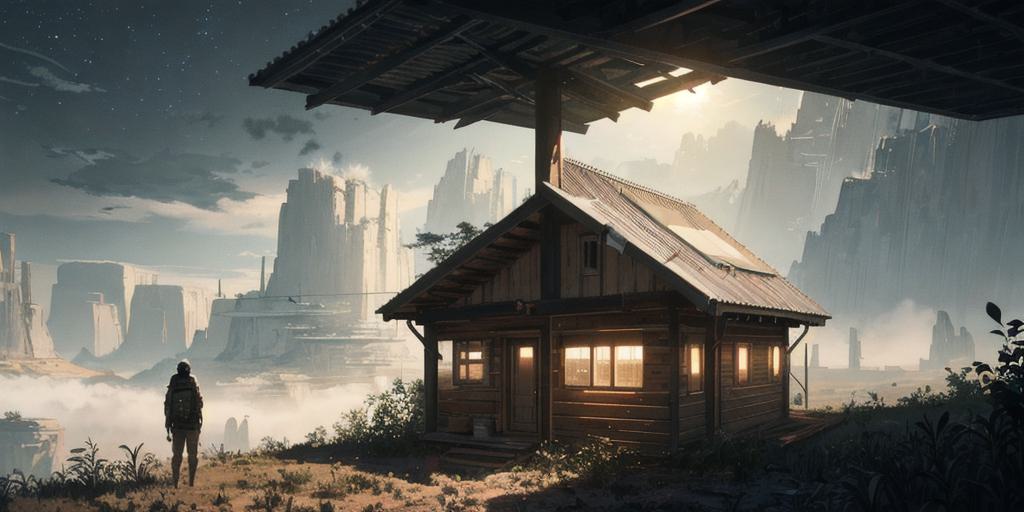
Living off-grid doesn’t mean living off the map. In today’s hyper-connected world, the internet is more than just a luxury; it’s a lifeline, a connector, and a source of endless knowledge. For those who choose to live off-grid, the traditional internet options may be out of reach, but that doesn’t mean connectivity has to be sacrificed. Enter the realm of Internet VSAT, a satellite-based communication system that brings the world to your doorstep, no matter how remote your location [source].
From maintaining relationships with loved ones to accessing a wealth of information on sustainable practices, Internet VSAT is more than just a tool; it’s a bridge, connecting the off-grid lifestyle with the conveniences of the modern world. It’s the key to unlocking remote work opportunities, managing online businesses, and ensuring financial stability. More than that, it’s a safety net, providing a reliable means of communication in emergency situations.
Overcoming Challenges: The Off-Grid Learning Curve
Moving to an off-grid property is not without its challenges, as anyone who’s made the leap will tell you. It’s a radical shift, a departure from the comfort zone, and a journey into the unknown [source]. But with every challenge comes an opportunity for growth, for learning, and for deepening our understanding of ourselves and the world around us.
The off-grid lifestyle is a masterclass in resilience, creativity, and self-reliance. It’s about learning to adapt, to innovate, and above all, to embrace every challenge as an opportunity to grow. Whether it’s navigating the complexities of sustainable housing, mastering the art of water conservation, or learning to generate your own power, the off-grid life is a constant journey of learning and discovery.
Embracing the Off-Grid Lifestyle: The Eco-Friendly Way
Living off the grid is more than just a lifestyle choice; it’s a commitment to a more sustainable, responsible way of living. It’s about reducing your carbon footprint, living in harmony with nature, and embracing a lifestyle that respects and cherishes the environment [source].
From building energy-efficient homes to harnessing renewable energy sources, the off-grid lifestyle is a testament to the power of sustainable living. It’s about finding innovative solutions to everyday challenges, from water conservation to waste management. At its core, the off-grid lifestyle is about more than just surviving; it’s about thriving, in harmony with the environment.
Off-Grid Communities and Networking
Off-Grid Communities: The Power of Collaboration
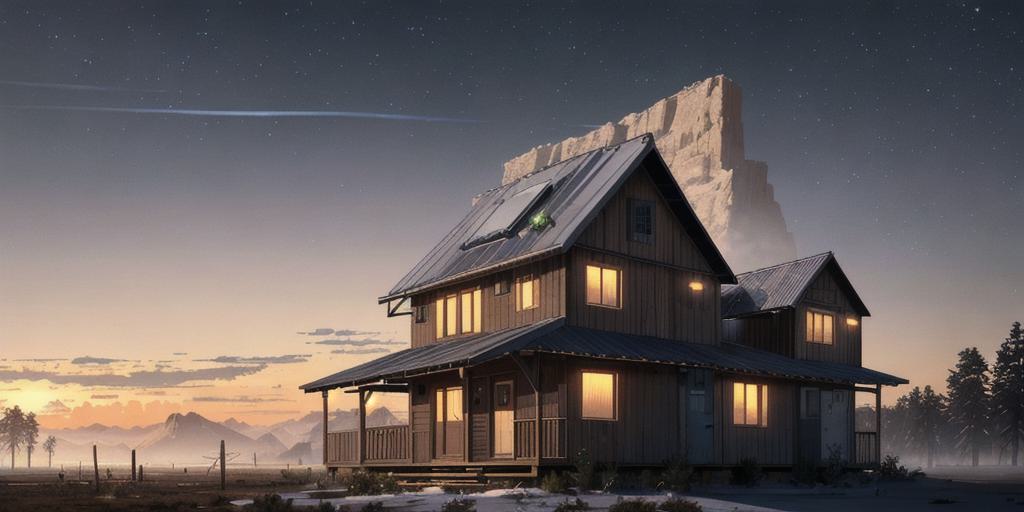
As we journey into the world of off-grid living, one thing becomes abundantly clear: no man is an island. The off-grid lifestyle may be a path of independence, but it is also one of interdependence. It’s about fostering connections, building networks, and leveraging collective expertise to overcome challenges and innovate solutions. A prime example of this can be seen in Nigeria, where two off-grid projects were recently introduced to provide sustainable power to rural communities [source].
These projects, spearheaded by Pan Africa Solar and BBOXX, aim to electrify 1 million people by 2020. Such ambitious goals remind us that off-grid living is not about isolating ourselves from the world, but rather, finding new ways to engage with it. It’s about shattering the myth of the ‘lone wolf’ and embracing the power of the ‘wolf pack’ – the collective, the community.
Off-Grid Networking: The Bridge to Opportunities
While the traditional networking platforms may not be readily accessible in an off-grid setting, the burgeoning field of off-grid technology is bridging this gap. Initiatives such as the Off the Grid Club by EnergyNet provide a platform for off-grid technology providers, financiers, and regional leaders to connect and collaborate [source].
Such platforms are not only gateways to opportunities, but also catalysts for innovation. They provide a space for sharing ideas, learning from each other’s experiences, and co-creating solutions that are not just sustainable, but also scalable. In essence, they turn the challenges of off-grid living into opportunities for growth and development.
Off-Grid Sustainability: The Eco-Entrepreneurial Mindset
The off-grid lifestyle is a call to action. It’s a call to rethink our relationship with the environment, to reassess our consumption habits, and to reimagine a future where sustainability is not just an ideal, but a way of life. It’s about embracing an eco-entrepreneurial mindset, where every challenge is viewed as a potential business opportunity.
As Dolapo Kukoyi, a partner at Detail Commercial Solicitors, highlights, many clients are interested in investing in off-grid projects, particularly in the renewable energy sector [source]. These ventures not only provide a viable solution to the energy crisis, but also create jobs, spur economic growth, and contribute to the sustainable development of the community.
In the end, living off-grid is not about escaping from the world, but rather, engaging with it in a more meaningful, sustainable, and interconnected way. It’s about embracing the challenges, harnessing the opportunities, and building a future where we are not just surviving, but truly thriving.
Living Off Grid: A Financial Perspective
Decoding the Financial Puzzle: The Investment and Payoff
Stepping into an off-grid lifestyle is akin to stepping into an investment portfolio. It’s about understanding the initial costs, calculating the returns, and making informed decisions. The catch here is, the return on investment (ROI) isn’t merely financial; it’s environmental, spiritual, and deeply personal. It’s about buying back your time, freedom, and peace of mind.
For instance, consider the case of Huntlee, a town in New South Wales. The town is currently being developed to support its estimated 20,000 residents off the grid. The project, though initially requiring a substantial investment, promises to be cost-competitive, if not cheaper, than getting electricity from the grid. It’s about seeing the bigger picture and understanding that the initial costs of going off-grid can be offset by long-term savings and benefits.
The Modular Approach: One Step at a Time
Going off-grid doesn’t necessarily mean a complete, immediate overhaul of your life. It’s about adopting a modular perspective, incorporating alternative energy solutions bit by bit as budget and circumstances allow, like adding pieces to a complex puzzle. It’s the art of decentralizing the power grid, reducing our dependence on public utilities, and creating an ecosystem that is sustainable and self-reliant.
Take for instance, the installation of solar panels. While the upfront cost can be substantial, the long-term savings from reduced electricity bills and potential earnings from feeding excess electricity back to the grid, can make this a financially worthwhile endeavor. The key here is patience – it’s about understanding that the path to off-grid living is a journey, not a sprint.
Adapting to the Off-Grid Lifestyle: A Balanced Equation
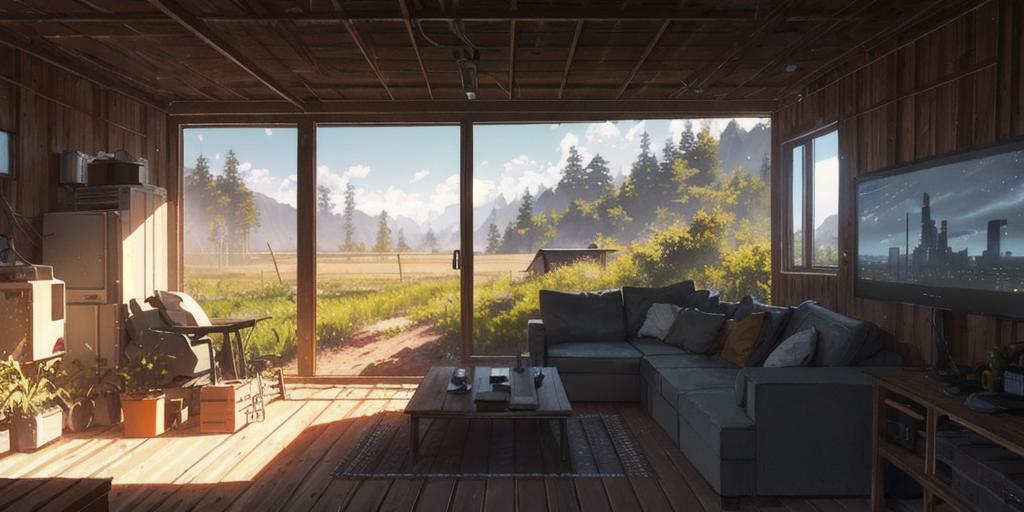
At its core, off-grid living is about balance. It’s about aligning our consumption habits with our energy production capabilities. It’s about realizing that every 70” flat screen TV in the house is an energy guzzler, and that a conscious reduction in our energy consumption can significantly ease the demand on our alternative energy systems.
In the grand scheme of things, the off-grid life is not just about cutting costs or escaping the rat race. It’s about embracing a paradigm shift, redefining the concept of wealth, and understanding that true prosperity lies not in the accumulation of material possessions, but in the harmony of our relationships – with ourselves, with each other, and with the natural world around us. As we navigate this path, we find that the off-grid life is less of a destination to reach, and more of a journey to be savored.
Embracing Independence: A New Way of Life
The off-grid lifestyle is an invitation to step beyond the familiar confines of societal norms and embrace a new paradigm of living. It’s about liberating ourselves from the shackles of dependency and reclaiming our autonomy. This entails generating our own power, harvesting our own water, and growing our own food. It’s about embracing the challenge of self-sustainability and the rewards it brings [source].
Harmony with Nature: A Sustainable Shift
Living off-grid is about more than independence; it’s about sustainability. It’s an opportunity to reduce our carbon footprint, minimize waste, and positively impact our planet. Off-grid living is a testament to the fact that sustainability and convenience can coexist, that we can live comfortably without compromising the health of our environment [source].
Connectivity: Bridging the Gap
Contrary to popular belief, off-grid living doesn’t mean living in isolation. Thanks to technology like Internet VSAT, off-grid residents can maintain their connections with the world, accessing information, managing businesses, and staying in touch with loved ones [source].
Off-Grid Homes: A Testament to Sustainability
Off-grid homes are not just shelters; they’re embodiments of a sustainable way of life. They’re designed to harmonize with local landscapes, use renewable resources, and minimize environmental impact. From using local materials to experimenting with innovative construction techniques, the off-grid home is a beacon of resilience and sustainability [source].
Off-Grid Farming: Nurturing Independence
Off-grid living invites us to reconnect with the Earth, to nurture a symbiotic relationship with the land. It’s about growing our own food, understanding the rhythms of nature, and appreciating the intricate web of life that sustains us [source].
Ultimately, living off-grid is not about escaping from the world, but rather, engaging with it in a more meaningful, sustainable, and interconnected way. It’s about embracing the challenges, harnessing the opportunities, and building a future where we are not just surviving, but truly thriving. As we navigate this path, we find that the off-grid life is less of a destination to reach, and more of a journey to be savored.