The art of preserving food through drying is a poetic and practical solution for a world striving to live more sustainably. By removing water, we extend the life span of the food, intensify its flavor, and retain its nutritional content. Drying food is a cost-effective and energy-efficient method that can be done using a variety of techniques, from traditional air-drying to modern food dehydrators.
Key takeaways from this article include:
- Drying food is a poetic technique that maintains or enhances the life in food.
- It offers a cost-effective and energy-efficient method for preserving a variety of foods.
- The practice of drying food supports a healthier, slower lifestyle and aligns with the ethos of self-reliance and sustainability.
Drying: A Guide to Preserving Food without Freezing or Canning
 Embracing the Poetic Art of Food Drying
The art of preserving food has been a cornerstone of human survival throughout the ages. It’s a practice that has evolved, adapted, and transformed over time. However, in our modern world, we’ve largely lost touch with these ancient and time-honored techniques. The art of drying food is one such method that has been sidelined in favor of more modern, quick-fix solutions. Yet, as we strive to reconnect with nature and live more sustainably, drying food offers a poetic and practical solution to food preservation.
There’s a certain beauty in the simplicity of drying food. It’s a method that connects us with our ancestors, evoking a sense of resourcefulness and resilience. As Eliot Coleman highlights, food preservation techniques can be separated into modern scientific methods, which often strip the life from food, and natural ‘poetic’ methods that maintain or enhance the life in food. Drying is a poetic technique— a celebration of food’s life force, its flavor, and its nutritional value.
Why Dry Food? The Perks of Dehydration
Drying food is more than a preservation method – it’s an opportunity to enhance the taste and nutritional value of the food. By removing water, we’re not only extending the life span of the food but also intensifying its flavor, making dried food a gourmet delight. But the benefits go beyond taste. Drying food also retains the nutritional content, offering a way to preserve food without nutrient loss.
Moreover, drying food is a less costly and more energy-efficient method of preservation. Unlike freezing or canning, which often require electricity and specialized equipment, drying can be as simple as leaving food out in the sun. It’s a method that’s accessible to all, regardless of location or resources.
Transforming Your Harvest through Drying
So how do you go about drying food? The process varies depending on what you are drying, but the fundamental principle is the same: remove the moisture to prevent decay. Fruits, vegetables, meats, and herbs can all be dried and stored for future use. Whether you’re using a food dehydrator, an oven, or air-drying techniques, the result is the same: preserved food, ready for the winter months or whenever you desire.
As we venture closer to nature, embracing a slower, healthier lifestyle, drying food is a skill that aligns with this ethos. It’s a preservation method that respects the food, the environment, and our health. Through drying food, we can escape the 9-5 grind, become more self-reliant, and enjoy the fruits of our labor throughout the year.
Remember, the goal here is not to just preserve food but to do so in a way that enriches your life. The methods embedded in drying food have been celebrated for centuries and are considered gourmet delights today. This is your opportunity to step back from the hustle of modern life and embrace a practice that nourishes both your body and soul.
Vacuum Sealing: A Safe and Easy Way to Store Food without Freezing or Canning
 The Gift of Vacuum Sealing: An Off-Grid Approach to Food Preservation
As we venture into the realm of self-reliance and sustainability, the ancient wisdom of food preservation becomes a crucial arrow in our quiver. However, sometimes the old ways need a modern twist. Enter vacuum sealing, a technology that, although not as romantic as sun-drying fruits or fermenting vegetables, offers an efficient and highly effective solution to food preservation.
Imagine this scenario: you’ve had a bountiful harvest, but the sheer volume of produce is overwhelming. Traditionally, you’d be faced with a race against time, trying to consume, sell, or preserve the fruits of your labor before they spoil. This is where vacuum sealing comes into play. According to Countryside Daily, vacuum sealing allows you to store food for significantly longer than traditional methods, ensuring no morsel of your hard-earned harvest goes to waste.
Sealing the Deal: How Vacuum Sealing Works
Vacuum sealing, at its core, is a simple concept. Food is placed in a specially designed bag, and the air is drawn out, creating a vacuum. This absence of air slows down the deterioration process since many bacteria and microbes that spoil food need oxygen to survive. The bag is then heat-sealed, creating an airtight package that keeps your food fresh for an extended period.
As per a product review on Tossions.com, the vacuum sealing process can be completed in 5-8 seconds, depending on the machine used. This quick and easy method can preserve food for up to 3 years when stored properly, offering an impressive leap from traditional preservation timelines.
The Versatility and Benefits of Vacuum Sealing
One of the significant advantages of vacuum sealing is its versatility. From fruits and vegetables to meats and dairy, a wide range of foods can be safely preserved using this method. Even items like butter, which historically required refrigeration or canning, can be vacuum sealed for long-term storage.
Aside from its impressive food-saving capabilities, vacuum sealing offers a host of additional benefits. It preserves the taste and nutrition of your food, unlike some preservation methods that can alter these crucial aspects. It’s also a space-efficient storage solution, a vital consideration for those living off-grid where storage space may be at a premium.
In your journey towards a more self-reliant and sustainable lifestyle, consider vacuum sealing as a valuable tool in your food preservation toolkit. It’s not just about survival, but also about thriving and enjoying the fruits of your labor, season after season.
Dehydrating: The Best Alternative to Freezing or Canning for Food Preservation
 Unleashing the Power of Dehydration
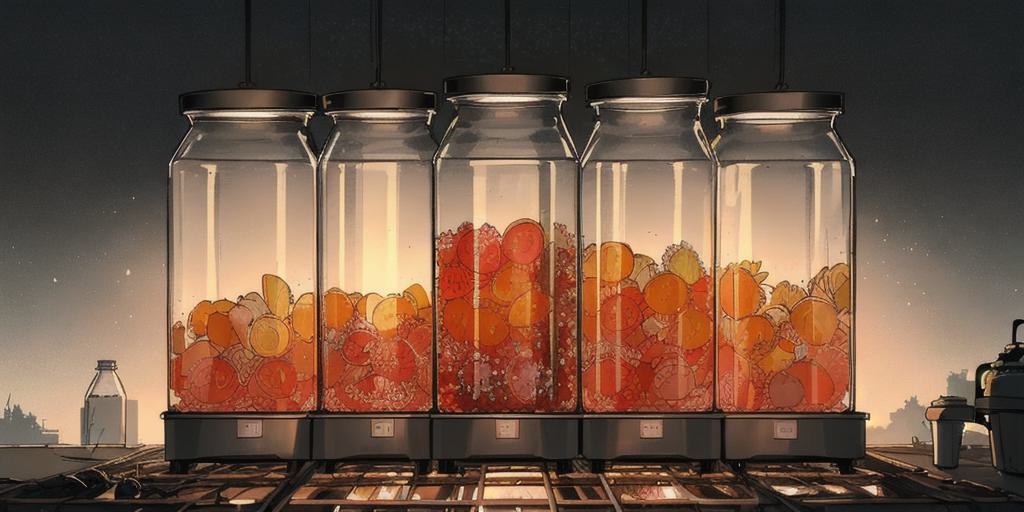
As we continue our exploration of off-grid food preservation, we come to the art of dehydrating – a technique as old as time, yet still relevant in our modern world. Dehydrating, in essence, is the simple process of removing water content from food, thereby inhibiting the growth of bacteria and significantly extending its shelf life. It’s the same principle our ancestors used when sun-drying fruits and air-curing meats.
However, today, the process has been streamlined by technology. Devices such as the Chefman 480W Food Dehydrator take the guesswork out of the process and provide consistent results every time. With preset temperature settings and a countdown timer, you can create delicious dried fruit, herbs, meat, and even yogurt with ease.
Why Dehydration Triumphs
With dehydration, you don’t just preserve food, but also maintain the integrity of its nutritional content. According to a study by the Clemson University Extension, dehydrating correctly retains up to 97% of the vitamins and minerals in food, offering a healthier alternative to canning or freezing.
Moreover, dehydrated food is lightweight and compact, making it an ideal option for those living off the grid with limited storage space. Picture this: a pantry full of dehydrated fruits and vegetables, ready to be rehydrated and transformed into a wholesome meal at a moment’s notice. It’s convenience, efficiency, and sustainability rolled into one.
Mastering the Art of Dehydration
Like any skill, dehydrating food requires some initial learning and experimentation. But once mastered, the possibilities are endless. You can dehydrate almost anything – fruits, vegetables, herbs, meat, and even dairy. A tip for beginners: start with something simple, like apple rings or beef jerky. And always remember, the quality of the dehydrated product heavily depends on the freshness of the food you start with. So, harvest or buy your produce at its peak freshness.
One of the most rewarding aspects of dehydrating is the opportunity to experiment and innovate. You can create your own dried fruit mixes, herbal teas, and meat jerky with flavors tailored to your preference. As you delve deeper into the dehydrating world, you’ll find yourself becoming more self-reliant, less wasteful, and more in tune with the natural rhythms of nature.
So, take that step, venture into the world of dehydration, and unlock the potential of your harvest. It’s more than just a preservation method; it’s a path towards a sustainable, self-sufficient, and fulfilling lifestyle.
Root Cellaring: A Traditional Method for Storing Food without Freezing or Canning
 Embracing Root Cellaring: The Off-Grid Food Storage Powerhouse
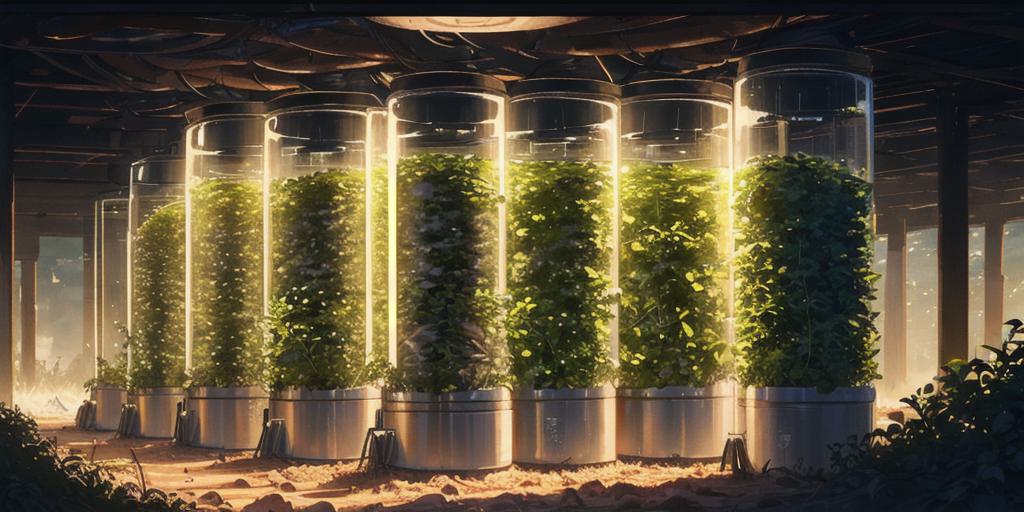
In the quiet dance of sustainability, there exists a time-tested move that’s often overlooked – the traditional method of root cellaring. The roots of this practice dig deep into our ancestral past, a time before refrigeration became a household norm. It’s a method that requires no electricity, no fancy equipment, just the marriage of nature’s own tools: cool, humid conditions and darkness.
A root cellar is essentially an underground storeroom for food, a place where vegetables and fruits, especially root crops, can be stored for months. Just imagine your garden’s bounty, carefully collected at the peak of freshness, continuing to provide sustenance through the cold of winter or the heat of summer.
Why Root Cellaring?
So, why the resurgence of interest in this seemingly archaic method? The reasons are many. As we journey towards a more self-reliant lifestyle, the root cellar offers an eco-conscious way to preserve food. It’s a tangible step we can take to reduce our reliance on the grid, and it aligns perfectly with the ethos of slow living and sustainability.
With root cellaring, you’re not just preserving food; you’re also preserving the quality of your produce. Unlike canning or freezing, which can alter the texture and degrade the nutritional content of food, root cellaring maintains the integrity of your produce, allowing you to enjoy the fresh taste and nutritional benefits of your harvest for longer periods.
And let’s not forget the financial aspect. Root cellaring can help reduce grocery bills, especially during off-seasons when the price of fresh produce can skyrocket. A well-stocked root cellar is like having your very own grocery store, right in your backyard.
Maximizing Your Root Cellar’s Potential
Successfully using a root cellar requires a bit of wisdom and finesse. For instance, not all fruits and vegetables are suitable for root cellaring. Root vegetables like potatoes, carrots, beets, and onions thrive in this environment, as do certain fruits like apples and pears. However, each type of produce requires specific conditions, including variations in temperature and humidity, to preserve their quality.
While the concept of root cellaring may seem daunting, it’s a skill that can be mastered with a little patience and experimentation. Start small, perhaps with a batch of freshly harvested potatoes or a few crisp apples. Over time, as you observe and learn from the ebb and flow of your root cellar’s conditions, you’ll become more adept at using this method to its fullest potential.
Remember, it’s not about perfection; it’s about progress. Each step you take towards self-reliance, no matter how small, brings you closer to living in harmony with nature. So, embrace root cellaring, and let it lead you on a journey towards a more sustainable, self-sufficient lifestyle.
Pickling: A Low-Tech Way to Preserve Food without Freezing or Canning
The Art of Pickling: An Ode to Simplicity and Self-Sufficiency
As we delve deeper into the realm of off-grid food preservation, let’s shift our gaze towards a method as old as time, yet as modern as tomorrow- pickling. Pickling, much like root cellaring, is a tribute to our history, an echo of our ancestors’ wisdom in food preservation. Yet, it’s also a testament to our future, an emblem of our quest for simplicity, self-sufficiency and sustainability.
Pickling is a low-tech, high-reward method wherein vegetables or fruits are preserved in a solution of brine or vinegar, often with the addition of various spices. The result? Crisp, tangy delights that not only extend the life of your produce but also add a zesty punch to your meals.
The Science Behind Pickling
How does pickling work, you ask? The trick lies in creating an environment unfriendly to the bacteria that cause food spoilage. When your fresh produce is submerged in a saline or vinegar solution, the resulting high-acidity setting discourages bacterial growth, effectively preserving your food.
Moreover, the process of fermentation often associated with pickling promotes the growth of beneficial bacteria, adding a probiotic dimension to your food. This means that pickled foods aren’t just preserved; they’re also enriched with gut-friendly bacteria that boost digestion and overall health.
Pickling in Practice: A Step Towards Off-Grid Living
Pickling aligns seamlessly with the ethos of off-grid living. It requires no electricity, no complex machinery. All you need are fresh produce, jars, and your pickling solution. It’s a process that invites you to slow down, to engage with the food you’re preserving, to truly savor the experience of self-reliance.
Imagine the rhythmic lull of a rainy afternoon, the comforting monotony of chopping vegetables, the satisfying pop of a jar lid sealing, and the anticipation of tasting your homemade pickles after their resting period. Pickling isn’t just about preserving food; it’s about preserving a piece of yourself in each jar, a labor of love that transcends the boundaries of time.
And don’t be deterred by the potential change in taste. Yes, pickling does alter the natural flavor of your produce. But isn’t that the beauty of it? The transformation of a humble cucumber into a tangy pickle, of a plain beetroot into a zesty treat, is nothing short of culinary magic.
So, as we continue our journey towards off-grid living, let’s embrace pickling for what it truly is – a simple, sustainable way to preserve the bounty of nature, a tangible link between our past and our future, and a delightful addition to our culinary repertoire.
Fermentation: A Natural Way to Preserve Food without Freezing or Canning
Unlocking The Ancient Art of Fermentation
There’s a certain romance to the notion of reviving age-old practices, of reaching back into the annals of history to tap into wisdom that modern conveniences have made redundant. It’s like unlocking a forgotten treasure chest, revealing gems of knowledge that have withstood the test of time. The process of fermentation is one such gem.
Before refrigeration and canning became the norm, our ancestors discovered an ingenious way to preserve their food and enhance its nutritional value: fermentation. This is a process where microorganisms – specifically bacteria and yeast – break down food components like sugar, turning them into alcohol and acids, thus preserving the food and adding rich, complex flavors.
Think of tangy sauerkraut, robust kimchi, or the smooth tartness of yogurt. These are all examples of fermented foods that have delighted our taste buds for centuries, and they’re making a comeback in the modern pantry.
Fermentation: A Blessing for Your Gut Health
But the joys of fermentation extend beyond tantalizing your palate. It’s also a boon for your gut health. You see, the fermentation process encourages the growth of beneficial bacteria, also known as probiotics. These tiny tenants of your gut play a crucial role in digestion, nutrient absorption, and overall gut health. They also help boost your immunity and even influence your mood.
So, when you ferment your food, you’re not just preserving it; you’re also transforming it into a probiotic powerhouse that nourishes your body from the inside out.
How to Start Your Fermentation Journey
Fermentation might sound like an intimidating science experiment, but it’s surprisingly simple. All you need are fresh fruits or vegetables, water, salt, and a jar. The rest is just patience and a little bit of magic from our microbial friends.
Start with something straightforward, like sauerkraut. Chop up a head of cabbage, sprinkle it with salt, and pack it tightly into a jar. The salt will draw out the water from the cabbage, creating a brine that becomes the perfect playground for lactobacillus bacteria. These little guys will get to work, breaking down the cabbage’s sugars into lactic acid, effectively pickling the cabbage and preserving it in the process.
Leave it at room temperature for a few weeks, and voila! You’ve made your first batch of fermented food. From here, the world is your oyster. Each type of fruit or vegetable you ferment will bring a unique flavor and a host of health benefits.
Living off-grid isn’t just about escaping the grind; it’s about reconnecting with nature and embracing a lifestyle that nourishes mind, body, and soul. Fermentation fits right into this ethos, offering a truly sustainable, health-boosting method to preserve your food and enrich your life.
Smoking: A Method for Preserving Food without Freezing or Canning
The Primal Art of Smoking
Imagine harnessing the primal power of fire and smoke to preserve and enhance your food. This isn’t some new-age fad but a practice as old as humankind itself, a tradition deeply embedded in our collective DNA. Smoking food is a dance with the elements, a transformative process that can turn the humblest of ingredients into a feast for the senses.
The beauty of smoking as a preservation method is its simplicity. Unlike canning or freezing, it doesn’t rely on modern conveniences. Instead, it taps into our primordial relationship with fire, using its heat and smoke to slow down the decay process and infuse the food with a unique, mouthwatering flavor.
The Smokehouse Symphony: A How-To
Ready to awaken your inner cave dweller and embark on a smoking adventure? Here’s a simple guide to get you started. First, you’ll need a smoking apparatus. This can be as rudimentary as a hole in the ground or as sophisticated as a custom-built smokehouse. The key is to create an enclosed space where smoke can circulate freely around the food.
Next, you’ll need wood. Not just any wood, but hardwoods like hickory, oak, apple, or cherry. These types of wood give off a thick, flavorful smoke that penetrates the food, acting as a natural preservative and taste enhancer. Avoid resinous woods like pine or spruce, as they can give your food a bitter taste.
Once you have your smoking setup ready, it’s time to prepare your food. Meats should be properly cleaned and brined to enhance their flavor and moisture retention. Vegetables, on the other hand, can be smoked as they are, or lightly coated with oil. The smoke will do the rest, wrapping each morsel in a savory veil of flavor, perfect for those cozy off-grid nights when a hearty, smoke-infused meal is just what the doctor ordered.
Embracing the Smoke: A Healthier Way
It’s true that smoking has its downsides. The process can lead to the formation of harmful compounds in the food. And if you’re smoking meat, it’s important to remember that charred or excessively smoked meats can pose health risks. But there are ways to minimize these risks and make smoking a healthier, more sustainable way of preserving food.
One way is to smoke at lower temperatures, which can reduce the formation of harmful compounds. Another is to focus on smoking plant-based foods, like cabbages, potatoes, carrots, onions, and peppers. These foods absorb the smoky flavor beautifully without the health risks associated with smoked meats. And don’t forget that your wood-burning smoker can double up as a heat source during colder months, making it a versatile addition to your off-grid lifestyle.
So why not take a leaf out of our ancestors’ book and embrace the art of smoking? It’s a beautiful way to preserve and enhance your food, a practice that brings us closer to the elements and reminds us of our deep connection with the earth. And who knows? Once you’ve experienced the rich, smoky flavor of home-smoked food, you may never want to go back to the sterile convenience of canned or frozen goods. Try out this method and be sure to check out this guide for more useful tips on food preservation.
Food Preservation using Salt: A Traditional Method for Storing Food without Freezing or Canning
Unearthing the Power of Salt
Let us delve into the world of salting, an age-old tradition of food preservation. Long before the advent of refrigeration, our ancestors discovered that salt, an abundant and relatively inexpensive resource, could act as a potent deterrent to the forces of decomposition. A little sprinkle of this magic mineral was all it took to transform the fleeting freshness of food into a lasting legacy of sustenance. But how does this seemingly mundane substance achieve such magic?
Salting preserves food by creating an environment inhospitable to microbial growth. Harnessing the osmotic properties of salt, the moisture is drawn out from food, leaving an environment too dry for bacteria to thrive. It’s simple, effective, and steeped in a history that connects us with our culinary ancestors. And the process? It’s as straightforward as the principle.
Salting: The DIY Guide
Preserving your food using salt is a journey back in time, a step into the shoes of our ancestors who relied on this method for survival. To begin this journey, you’ll need a good quantity of salt. Non-iodized sea salt is a perfect choice. Why? The added iodine in regular table salt can sometimes discolor food.
The process is straightforward. For meat and fish, apply salt liberally, ensuring it penetrates deep into the meat. Layer your salted meat in a container, interspersing the layers with more salt. Seal your container, and store it in a cool, dark place.
For vegetables, the process is slightly different. Instead of dry salting, we create a brine. Dissolve salt in water to create a solution strong enough to float an egg. Submerge your vegetables in this brine, ensuring they remain under the surface. Again, store your container in a cool, dark place.
From Preservation to Plate: Using Salt-Preserved Foods
Once your food has been preserved with salt, it can be stored without refrigeration for months, providing you with a bounty of ingredients ready to be used in your kitchen. This power of salt lends itself to a lifestyle closer to nature, free from the constraints of modern conveniences.
Using salt-preserved foods in your cooking can add a new depth of flavor to your dishes. However, remember that the preserving process leaves the food with a high salt content. Before cooking, it’s wise to soak or rinse your preserved food to remove excess salt, adjusting to your personal taste and dietary needs.
Don’t let the simplicity of the salting method fool you. This ancient art can be a game-changer for your off-grid food preservation, offering a practical solution steeped in tradition. It’s about embracing the simplicity of the past to create a sustainable future. It’s about reconnecting with the earth, one salt grain at a time. And for those who are interested in diving deeper into this world of food preservation, you might find this resource a great starting point.
Using Vinegar to Preserve Food without Freezing or Canning
Vinegar: Your Off-grid Elixir for Food Preservation
Just as salt has been your trusted ally in the battle against decomposition, vinegar walks a similar path, albeit with a tangy twist. This humble kitchen staple, known for its sharp scent and sour taste, is actually a powerful preserving tool. Its secret lies in its acidity, a trait that allows it to create an environment where bacteria cannot thrive. In the spirit of exploring ‘poetic’ methods of preserving food, let’s dive into the world of vinegar-based preservation.
The beauty of vinegar lies in its versatility. It can be used to preserve a vast array of fruits and vegetables and even some types of meat and fish. The process of preserving with vinegar is usually referred to as pickling, and it’s a culinary tradition that spans centuries and cultures. Not only does pickling extend the life of your food, but it also enhances its flavor, adding a tangy zest that can elevate your cooking.
Preservation with Pizzazz: The Art of Pickling with Vinegar
Pickling is a delightful fusion of science and art. At its core, it’s a simple process. Fresh produce is submerged in a solution of vinegar and water, sometimes with the addition of salt, sugar, and various herbs and spices to boost the flavor. The acidity of the vinegar solution prevents the growth of bacteria, preserving the food and allowing it to be stored at room temperature.
While the basic process of pickling is straightforward, the real fun begins when you start experimenting with flavors. A dash of dill here, a smattering of mustard seeds there, and perhaps a hint of garlic for good measure – the possibilities are endless. It’s a playful dance of flavors, a chance to let your culinary creativity shine. And the result? A jar filled not just with preserved produce, but with a symphony of flavors ready to burst forth with every bite.
For those interested in venturing into the world of pickling, this resource offers a wealth of information and inspiration.
From Pantry to Plate: Unlocking the Potential of Pickled Produce
Once you’ve mastered the art of pickling, a world of culinary possibilities awaits you. Pickled produce can be used in a variety of dishes, adding a tangy twist that can elevate the simplest of meals. Whether it’s a crunch of pickled cucumber in your salad, a slice of pickled beetroot on your burger, or a dollop of pickled chutney on your cheese board, the addition of pickled produce can transform your cooking.
But pickling isn’t just about enhancing your meals. It’s also about embracing a more sustainable, self-reliant lifestyle. By preserving your own food, you’re not only reducing waste and cutting costs, but you’re also connecting with the natural rhythms of the earth, celebrating the bounty of each season and savoring it long after it has passed.
So, why not embrace the tangy magic of vinegar and embark on your own pickling adventure? As with all journeys, it begins with a single step. Or in this case, a single jar.
Naturally Preserving Food using Herbs and Spices: A Guide without Freezing or Canning
Embracing the Alchemy of Herbs and Spices in Food Preservation
Celebrating the bounty of nature doesn’t always mean consuming it immediately. Sometimes, it involves preserving it for a later date. For those who thrive in the embrace of nature, off-grid living provides a unique opportunity to explore traditional, natural methods of food preservation. And here’s the exciting part – you can do it all without the need for freezing or canning. Instead, you can harness the power of herbs and spices to naturally preserve and enhance the flavor of your food.
The Spice of Life: The Magic of Herb-Infused Preservation
Herbs and spices have been used in food preservation for centuries. They not only extend the shelf life of food but also enhance its taste and nutritional value. Picture this: sun-dried tomatoes marinated in olive oil, seasoned with rosemary, and a hint of garlic. Or, imagine biting into a crunchy pickle, its brine infused with dill, mustard seeds, and a touch of turmeric. These time-honored methods of preservation can transform your off-grid pantry into a treasure trove of flavor.
Begin your herb-infused preservation journey by collecting a variety of herbs and spices. Some classics include rosemary, sage, thyme, and oregano. For spices, consider turmeric, mustard seeds, black pepper, and coriander. Remember, the choice of herbs and spices will not only influence the taste but could also have antimicrobial and antioxidant properties, contributing to the preservation process.
One of the simplest ways to preserve food with herbs and spices is by making infused oils and vinegars. These can be used as bases for marinades, dressings, or sauces. For instance, consider making a basil-infused olive oil, perfect for drizzling on a fresh salad or a hearty pasta dish. Or, how about a rosemary and garlic-infused vinegar, adding a flavor-packed tang to your homemade pickles? The possibilities are endless, limited only by your creativity and palate. For guidance and inspiration, check out these recipes.
Preserving the Harvest: From Garden to Jar
Once you’ve experimented with herbs and spices, it’s time to apply these flavors to your harvest. You can use the infused oils and vinegars to preserve a variety of fruits, vegetables, and even some types of meat. This could be as simple as packing freshly harvested vegetables into a jar, pouring over your infused vinegar, and storing it in a cool, dark place. After a few weeks, you’ll have a jar of tangy, herb-infused vegetables, ready to add a dash of flavor to your meals.
Alternatively, explore the world of fermentation, a process that not only preserves food but also enhances its nutritional profile. Think sauerkraut, kimchi, or even fermented hot sauce. Many of these ferments can be flavored with herbs and spices, adding another layer of complexity to their taste.
Living off-grid doesn’t mean compromising on flavor or variety in your diet. By embracing the alchemy of herbs and spices in food preservation, you can enjoy your harvest long after the season has ended. So, go ahead, experiment with flavors, and transform your pantry into a library of taste sensations. After all, isn’t variety the ‘spice’ of life?
So, the power of preservation lies not in complex machinery or modern technology, but in the humble, age-old techniques of our ancestors. Whether it’s the poetic simplicity of drying, the modern twist of vacuum sealing, the ancient art of fermentation or the primal allure of smoking – each technique offers a unique path to sustainable living.
By extending the shelf life of our food, we not only reduce waste and save money, but we also deepen our connection with nature, embracing a slower, more conscious lifestyle. We’re not merely preserving food; we’re preserving a way of life, a connection to our past, and a promise for our future.
The benefits stretch beyond the pantry. The intensification of flavors, the nutritional boost, the joy of savoring home-preserved food – these are the intangible rewards of food preservation. So, as we stand at the junction of tradition and innovation, remember that the best solutions often lie in our backyard, under the sun, in the rhythm of nature.
Food preservation is more than a survival skill; it’s an art, a celebration of nature’s bounty, and an ode to human ingenuity. Whether you’re a seasoned homesteader or a city dweller with a potted tomato plant, the world of food preservation is vast and welcoming. So, take that step, venture into the world of preservation, and unlock the potential of your harvest.