When it comes to heating and cooling in tiny houses, passive solar design stands at the forefront. It’s a dance with the sun, using natural energy processes to construct eco-friendly homes. It involves strategic moves like constructing eaves to shield homes from summer heat and welcome in winter warmth, and ensuring effective air movement through convective air flow.
- Recognize the importance of eaves for shielding homes from summer heat and welcoming winter warmth.
- Understand the principle of convective air flow and its role in maintaining a comfortable temperature.
- Learn about the role of insulation and air sealing in creating an energy-efficient tiny house.
- Explore the benefits of using energy-efficient heating and cooling systems like mini-split systems and hydronic radiant heating systems.
- Discover the benefits and considerations of using a heat pump for climate control in your tiny house.
How Tiny Houses Use Passive Solar Design for Heating and Cooling
Maximizing the Sun’s Potential
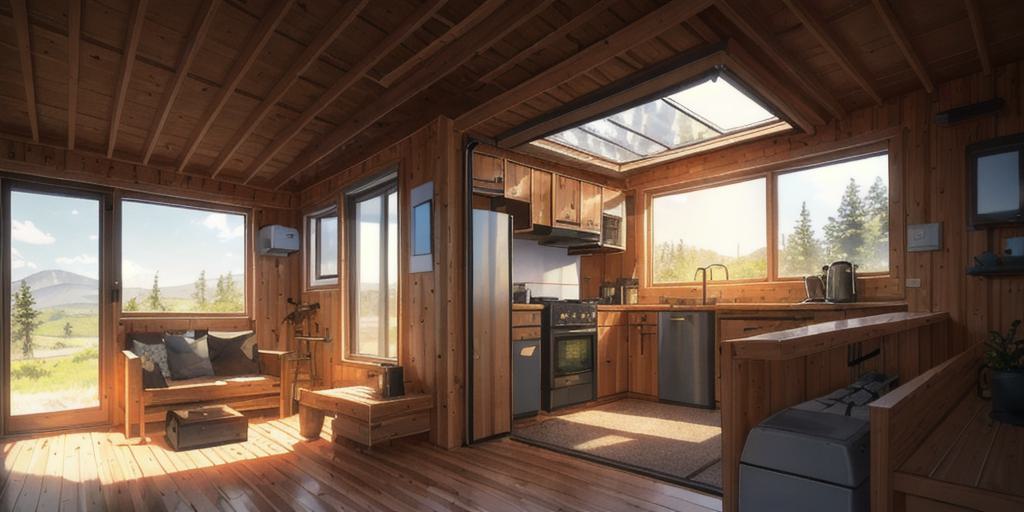
When we talk about heating and cooling in tiny houses, we’re really talking about a relationship—a dance, if you will—with the sun. This dance is known as passive solar design, and it’s a pivotal technique in constructing eco-friendly homes. It’s the same natural energy process plants have been using for millions of years for photosynthesis, but it’s been cleverly adapted for our comfort and convenience. We’re essentially learning to “think like a plant” in the way we design our homes, and that’s pretty rad.
Embracing the Eaves: An Architectural Tango with the Sun
Now, let’s get down to the nitty-gritty. A classic move in our dance with the sun is the strategic construction of eaves. These not only shield our homes from the summer heat but also welcome the warming rays during winter. How so? It’s all about the sun’s angles and the seasonal dance it performs in the sky. The sun is higher in the sky during the summer, meaning overhangs or eaves can provide shade and block excessive heat. In the winter, the sun sits lower in the sky, allowing its warming rays to enter through our windows.
Take it from the experience of Dan Durica, curator of Hardcore Sustainable on YouTube, who leveraged this technique in his house, The Flouch. He cleverly cantilevered his second story, enhancing the effects of the passive solar design and extending his second-story floor space without significant material expenditure. It’s an ingenious way of working in harmony with the sun’s rhythm rather than trying to fight it.
Keeping the Air in Motion
Another step in our solar tango is ensuring effective air movement. When you have bodies of air at different temperatures, a subtle current forms until equilibrium is reached—a process known as convective air flow. This natural phenomenon can be harnessed inside the home to evenly distribute heat and maintain a comfortable temperature.
Kyle Yoder, for instance, built a custom mechanism to optimize the use of his wood stove in his unique tiny house, The Gnome Dome. By using an energy-efficient fan on a low setting, he assisted the process of convective air flow, maximizing the benefits of his passive solar strategy.
Ultimately, through smart design and a little bit of physics, the natural power of the sun can be harnessed to heat and cool our homes effectively, efficiently, and sustainably. It’s a dance with nature that not only makes ecological sense but also brings us closer to living in harmony with our environment.
The Role of Insulation in Tiny House Temperature Control
Unmasking the Insulation Superhero
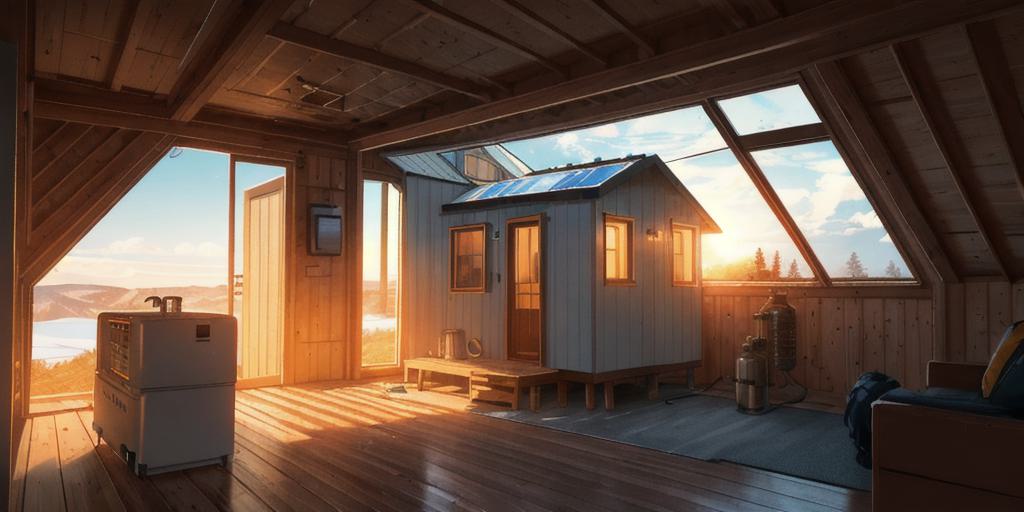
Often overlooked, insulation is the silent guardian of our homes, a cloak of invulnerability that offers year-round comfort. This unsung hero in the realm of sustainable living works tirelessly, ensuring our tiny homes stay warm during the chilly winter nights and cool in the blazing summer heat. More than just a comfort-provider, insulation is a critical ally in our quest for energy efficiency, quietly helping reduce those pesky utility bills. Let’s unmask this superhero and understand its powers. (source)
Creating a Fortress: Insulation’s Role in Tiny House Energy Efficiency
Insulation is our fortress, our first line of defense against the harsh elements. Acting as a barrier, it prevents the unwanted exchange of heat between the interior and exterior of our tiny house. This thermal barrier resonates with the philosophy of working with natural principles rather than against them. By slowing down heat transfer, insulation ensures our cozy little nooks stay warm when the temperature plummets and remain cool when the sun is in its full glory. It’s a bit like donning a warm sweater in winter and a breezy hat in summer. By maintaining a comfortable temperature indoors, insulation makes our tiny homes energy efficient, making our dance with nature more sustainable and enjoyable.
Sealing the Deal: The Significance of Air Sealing
While insulation is the star of the show, air sealing plays a pivotal supporting role. Imagine an invincible superhero with a tiny Achilles heel. That’s what air leaks and drafts are to insulation. They can undermine the performance of even the most effective insulation material. Therefore, sealing openings around windows, doors, and other potential draft sources is crucial in creating an airtight envelope. This collaborative effort between insulation and air sealing results in a tiny house that’s not just comfortable but also energy-efficient. It’s the perfect scenario where we can have our cake and eat it too, enjoying the comfort of our tiny homes while reducing our environmental footprint. (source)
Ultimately, insulation and air sealing work hand in glove, creating a symbiotic relationship that results in a tiny house that’s not just a dwelling, but a home that embodies the principles of sustainability, efficiency, and comfort. As we step back and admire this dance of harmonious coexistence, we realize that our quest for escaping the 9-5 grind and moving closer to nature is not just about location; it’s about creating a living space that truly resonates with the rhythms of the earth.
What is the Most Energy-Efficient Heating and Cooling System for Tiny Houses?
Stepping into a Smarter Home: Harnessing the Power of Energy-Efficient Systems
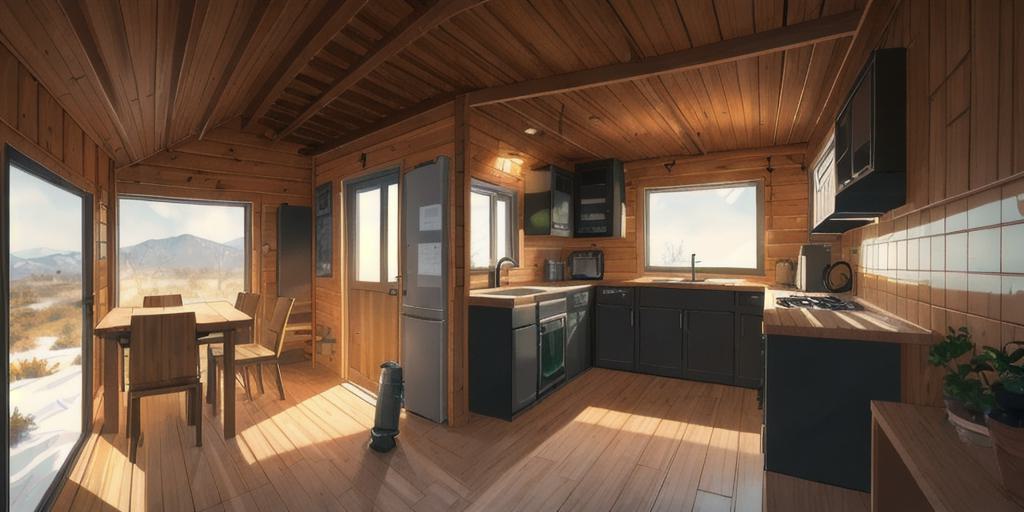
As we journey into the realm of sustainable living, we cannot overlook the role of smart, energy-efficient systems in our tiny houses. Imagine a home that adapts to your needs, learns your habits, and optimizes your energy usage automatically. This is the essence of a smart home. When we talk about smart homes, we are not discussing houses equipped with gimmicky gadgets and gizmos. Instead, we delve into a world where our homes become our allies in our quest for energy efficiency and sustainability. (source)
Embracing the Efficiency of Mini-Split Systems
As we venture into the realm of heating and cooling, mini-split systems rise as a titan of energy efficiency. These systems operate on the principles of heat pumps – they absorb warmth from one area and release it in another, effectively heating or cooling our tiny homes. Unlike traditional HVAC systems, mini-split systems don’t require extensive ductwork, reducing energy losses associated with duct systems. This makes them an optimal choice for tiny houses, where every bit of energy saved matters. Moreover, their quiet operation and compact design align perfectly with the ethos of tiny house living: simplicity, efficiency, and harmony with nature. (source)
The Future is Radiant: Exploring Hydronic Radiant Heating Systems
As we explore the eco-friendly heating options, hydronic radiant heating systems are worth shining a spotlight on. This system uses water or a fluid mixture, heated in a central boiler, and circulated through a network of tubes installed beneath the floor. As the fluid travels through the tubes, it radiates heat upwards, warming your tiny home from the floor up. Not only is this method incredibly energy-efficient, but it also provides the ultimate comfort of warm floors on a chilly morning. Plus, the system can be powered using a variety of energy sources, including solar or geothermal, pushing the boundaries of energy efficiency further. (source)
Whether you choose a smart home system, a mini-split system, or a hydronic radiant heating system, the goal is the same: to create a comfortable, sustainable living space that aligns with your values. The decision isn’t about choosing the “best” system but about finding the right fit for your unique needs and lifestyle. It is about embracing the ethos of the tiny house movement – living intentionally, sustainably, and in harmony with the natural world.
Tiny House Ventilation Strategies for Optimal Airflow
The Art of Natural Airflow: Embracing Passive Ventilation
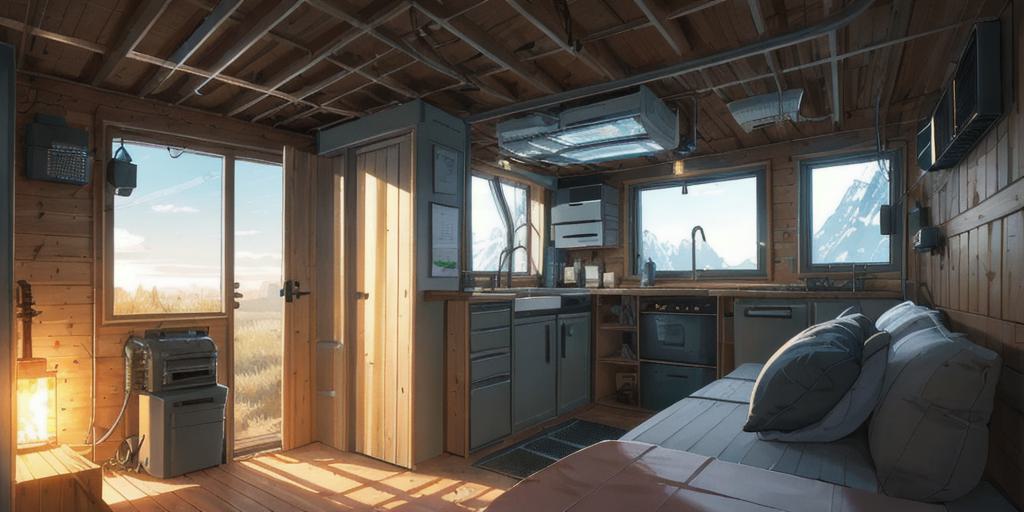
When it comes to living in harmony with nature, every aspect of your tiny house design matters. One such aspect is the art of natural airflow. Passive ventilation, a technique that leverages the natural movement of air for cooling and ventilation, could be your secret weapon for creating a comfortable and energy-efficient tiny house. (source)
Imagine strategically placed windows, vents, or even skylights that harness the power of natural breezes to cool your space. The rising heat during summer can be exploited to create a natural convection current for cooling. The result is a tiny house that breathes with the rhythms of nature, providing you with fresh air and a lower energy bill.
Unearthing the Potential of Earth Tubes
When we talk about off-grid living, we often overlook the simple, highly effective solutions that Mother Nature has been using for eons. Earth tubes, an ancient cooling technique, could be one such solution for your tiny house. These are buried tubes that tap into the steady temperatures of the earth to cool the air in summer and warm it in winter. (source)
By drawing fresh air through these tubes, your tiny house can enjoy natural air conditioning and heating, all while minimizing energy usage. Earth tubes offer a promising solution for off-grid tiny houses, marrying the principles of sustainable living with the comforts of modern life.
Fan-tastic Solutions: The Role of Energy-Efficient Fans
No conversation about tiny house ventilation would be complete without mentioning energy-efficient fans. These modern marvels help circulate air, improving the effectiveness of your heating, cooling, and ventilation strategies. But not all fans are created equal. It’s essential to choose fans that offer the best balance of energy efficiency, quiet operation, and performance. (source)
From ceiling fans to window fans, to energy recovery ventilators, the right fan can make all the difference in your tiny house’s comfort and sustainability. Remember, the goal is not just to create airflow, but to do so in a way that aligns with your values of sustainable, off-grid living.
As we continue to explore the ways of heating and cooling your tiny house, keep in mind that the most effective solution will likely be a combination of strategies. This is a journey of experimentation and discovery, after all. Stay open, stay curious, and let your tiny house become not just a place to live, but a testament to the power of sustainable living.
The Benefits of Using a Tiny House Heat Pump for Climate Control
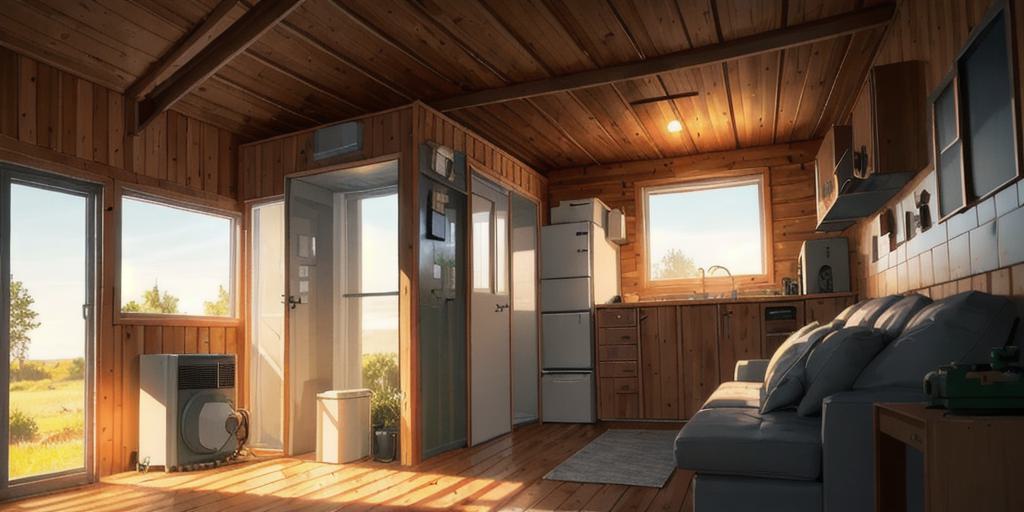
Embracing the Heat Pump Revolution
When it comes to off-grid tiny house living, we often tend to bypass the more modern, efficient solutions in favor of classic, time-tested methods. However, the trend of using heat pumps for climate control in tiny houses is gaining traction, and it’s time we paid attention to this revolutionary technology. (source)
Heat pumps, particularly inverter heat pumps, can provide heating, cooling, and hot water, making them a versatile choice for residential structures. The truly fascinating aspect, though, is their efficiency. These devices can rapidly vary the velocity of their compressors and adjust themselves in response to temperature changes. This means they can maintain a stable indoor temperature while using minimal energy, a precious commodity in the off-grid lifestyle.
Why Heat Pumps Matter
Living off the grid is not just about escaping the rat race. It’s about embracing a lifestyle that is sustainable, self-reliant, and harmonious with nature. Heat pumps fit this ethos perfectly. Firstly, they significantly reduce CO2 emissions, a crucial factor in combating climate change. Secondly, they are cost-effective, providing a budget-friendly way to control the temperature of your tiny house. Finally, they utilize inverter technology, allowing them to operate at various speeds and thereby conserve energy. (source)
So, if you’re planning to take the leap into tiny house living, consider incorporating a heat pump into your setup. It’s an investment in sustainability and self-reliance that aligns perfectly with the off-grid ethos.
Adopting a Mindset of Sustainable Comfort
Adopting an off-grid lifestyle doesn’t mean you have to sacrifice comfort. In fact, the goal should be to achieve sustainable comfort. Using a heat pump for climate control in your tiny house is a testament to this philosophy. It combines the convenience of modern technology with the principles of energy efficiency and environmental responsibility. (source)
In a world where we’re constantly bombarded by the latest gadgets and technologies, it’s refreshing to find a solution that not only enhances our comfort but also respects our planet. The heat pump revolution is not just about heating and cooling. It’s about redefining what it means to live sustainably.
How Tiny Houses Can Utilize Renewable Energy Sources for Heating and Cooling
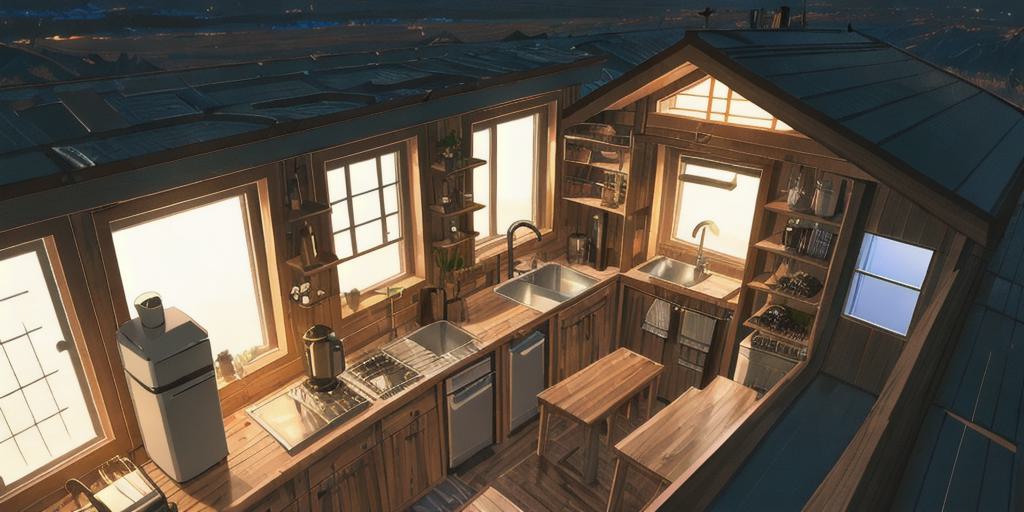
Enter the Age of Solar Energy
As we strive towards a future of sustainable, off-grid living, solar power stands out as a beacon of renewable energy. The sun, a relentless, untamed, and wholly natural source of power, provides us with an abundance of energy. Harnessing this power requires an upfront investment in solar panel systems, but the return is immense. Not only does it significantly reduce reliance on traditional grid systems, it also allows for an energy-efficient, eco-friendly lifestyle. (source)
Solar panels work optimally when they receive direct sunlight between 9 am and 3 pm. Positioning them on the roof of your tiny house presents an ideal location for maximum sunlight absorption. Over time, these panels generate enough energy to power your home, heat your water, and even supply excess energy that can be sold back to the grid in certain areas.
Embracing the Tiny House Lifestyle
Tiny house living isn’t just about downsizing your space, it’s about upsizing your freedom and quality of life. These compact and efficient residences provide an opportunity to live more sustainably, reduce environmental impact, and achieve financial freedom. (source)
Energy-efficient appliances like LED lights, low-flow showerheads, and programmable thermostats, along with effective insulation, can significantly decrease overall energy consumption. Similarly, incorporating large windows or skylights can maximize natural light, reducing the need for artificial lighting during the day. By optimizing every kilowatt-hour (kWh), you can drastically reduce your environmental footprint.
Alternative Heating and Cooling Systems
While solar power takes the spotlight in renewable energy, let’s not forget other alternative heating and cooling systems. Things like geothermal heat pumps, which use the Earth’s natural heat to provide comfortable indoor temperatures, and passive air exchange systems, which use well-placed windows and glazing for passive solar gain, can make a significant impact on your energy consumption. (source)
Living off-grid doesn’t mean living without comfort. In fact, with the right setup and mindset, you can achieve a level of comfort that surpasses traditional living. It’s about embracing technology, not shunning it, and using it in a way that aligns with nature and sustainability. It’s about crafting a life that is not just about existence, but about co-existing harmoniously with the world around us.
The Pros and Cons of Using Propane Heaters in Tiny Houses

Efficiency and Reliability: The Case for Propane Heaters
As you journey towards living off-the-grid, understanding the ins and outs of your tiny house’s heating and cooling system is vital. In the realm of tiny houses, propane heaters have emerged as a reliable and efficient option. But as with anything, they come with their own set of pros and cons.
The power of a propane heater is hard to ignore. They are capable of providing a steady source of heat, unaffected by external temperature fluctuations. Propane heaters are extremely efficient, converting almost all the fuel into heat, and they are surprisingly reliable, unlikely to break down. (source)
Moreover, propane heaters are compact, making them a perfect fit for your tiny house, and they don’t require electricity to operate, further reducing your reliance on the grid.
The Considerations: Cost and Safety
While the benefits of propane heaters are enticing, they’re not without their caveats. The upfront cost of a propane heater can be higher than its electric counterpart. However, it’s important to note that this cost can be offset by the heater’s efficiency and longevity.
Safety is another consideration. Propane heaters require proper ventilation to prevent the build-up of harmful gases. It’s crucial to ensure your tiny house has the necessary infrastructure to accommodate this. (source)
The Verdict: Weighing the Pros and Cons
When considering a propane heater for your tiny house, weigh the pros and cons in the context of your specific circumstances. Think about your budget, your comfort, your safety, and your desire to live off-the-grid.
There’s something liberating about relying on a propane heater. It’s like harnessing a small piece of the wild, untamed world and using it to forge your own path towards independence and self-reliance. But like any tool, it must be used wisely and responsibly. (source)
Remember, the journey to sustainable living isn’t about finding a single, perfect solution. It’s about exploring, experimenting, and finding the strategies that work best for you.
So, is a propane heater right for your tiny house? Only you can answer that. But armed with the right information, you’re well on your way to making an informed decision.
Tiny House Design Considerations for Energy-Efficient Cooling
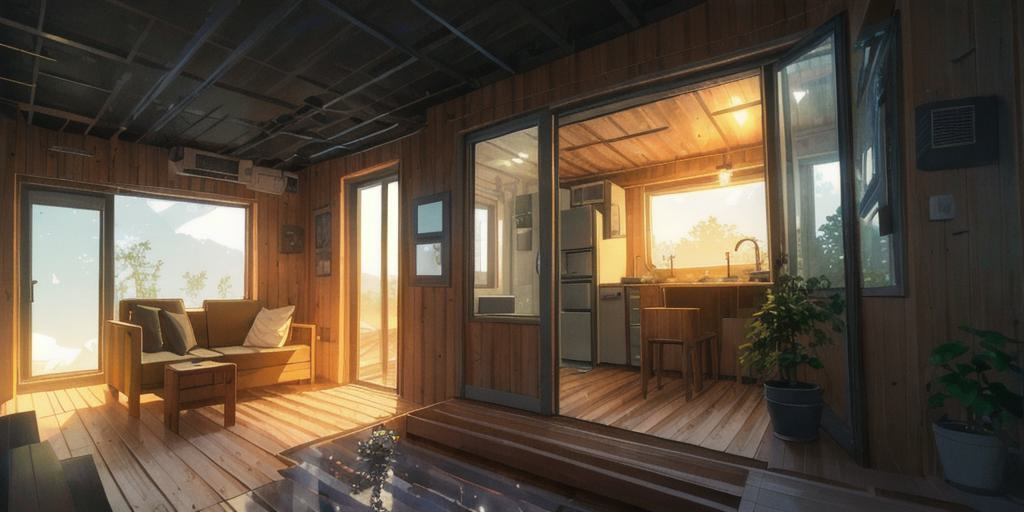
Embracing a Microclimate Mindset
When you’re building your tiny house, you’re not just creating a structure – you’re creating a microclimate. This microclimate is your personal playground, a space where you can manipulate the elements to achieve maximum comfort and energy efficiency. The key to this lies in the efficient use of space, sustainable materials, and innovative technologies. (source)
Consider the orientation of your tiny house. By strategically positioning your house, you can exploit the sun’s path to heat your home during winter and shade it during summer. Also, consider using insulating materials and double-glazed windows to reduce heat loss and gain. Your aim is to create a harmonious flow of energy within your tiny house, reducing the need for artificial heating and cooling.
Adopting Passive Cooling Strategies
Passive cooling strategies are a cornerstone of energy-efficient tiny house design. They reduce the need for air conditioning, helping you save a hefty chunk on your energy bills and reduce your carbon footprint. One such strategy is natural ventilation. By designing windows and openings that promote cross ventilation, you can harness the power of the wind to cool your home naturally. (source)
Another passive cooling strategy is thermal mass cooling. This involves using materials that absorb heat during the day and release it at night to cool your home. You can also consider green roofs and walls, which use plants to provide natural insulation and cooling. These strategies work in harmony with nature, providing cooling when you need it, without the need for energy-guzzling air conditioners.
Exploring Advanced Cooling Technologies
While passive cooling strategies can significantly reduce your cooling needs, there may be times when you’ll need a little extra help. Fortunately, there are several advanced cooling technologies designed for off-grid living that can help you maintain a comfortable temperature in your tiny house. (source)
One such technology is solar air conditioning. This system uses solar energy to cool your house, making it a sustainable and cost-effective option. Another option is evaporative coolers, which provide cooling by evaporating water. These coolers are highly efficient in dry climates and use significantly less energy than traditional air conditioners.
Remember, the goal isn’t to find a one-size-fits-all solution, but to craft a unique, multi-faceted strategy that resonates with your personal values and circumstances. By adopting a microclimate mindset, embracing passive cooling strategies, and exploring advanced cooling technologies, you can create a tiny house that provides comfort, promotes energy efficiency, and harmonizes with the natural world.
How to Optimize Your Tiny House for Natural Light and Ventilation

Mastering the Art of Light and Space
One of the primary soul-nourishing elements in a tiny house is natural light. It’s the secret ingredient that can transform your micro-dwelling from a shoebox into a sanctuary. But how do you maximize this precious resource in a compact space? The key lies in strategic planning and smart design choices. (source)
Think of your windows as portals to the outside world. Their size, shape, and location will directly influence the amount of sunlight that floods your space. Large windows and skylights are not just aesthetic elements; they are functional tools that can elevate your living experience by creating an illusion of spaciousness and bringing the outside in.
But remember, while you want to invite the sun in, you also want to keep your tiny house cool. The trick here is to balance light and heat. Consider using light-colored materials for your interior, which can reflect sunlight and keep your space cool. Materials like polished metal or glass can add a modern touch while also serving a practical purpose.
The Science of Ventilation
Optimizing your tiny house for ventilation is part art, part science. It’s not just about opening a window or installing a fan; it’s about understanding the dynamics of air flow. You want to create a space where the air doesn’t just enter and exit, but circulates freely, creating a fresh and pleasant environment. (source)
Start by planning the placement of your windows and doors. Cross ventilation, a strategy where windows or openings are placed across from each other, can help draw in fresh air and expel hot air. Ceiling fans or vents can also aid in circulating the air and preventing stuffiness. Remember, the goal here is not just to keep your space cool, but to create an inviting atmosphere that connects you with the rhythms of nature.
Bringing it all Together: Light, Air, and Your Tiny House
As we’ve seen, optimizing your tiny house for natural light and ventilation is not just about practicality; it’s about enhancing your living experience. It’s about creating a space that is not just a house, but a home – a place where you can feel connected to the world around you, even as you enjoy the comfort and convenience of modern living. (source)
Consider consulting with professionals or experts who can help you design a layout that maximizes these elements. They can provide insights and suggestions based on their experience and expertise, helping you create a tiny house that is not just beautiful and functional, but a place where you can truly live and thrive.
Remember, your tiny house is a reflection of your values and lifestyle. By optimizing it for natural light and ventilation, you’re not just building a house, you’re creating a way of life. A life that is in tune with nature, energy-efficient, and deeply satisfying. Embrace the challenge, and let your tiny house be a testament to your creativity and your commitment to living a life less ordinary.
The Importance of Proper Thermal Mass in Tiny House Temperature Regulation
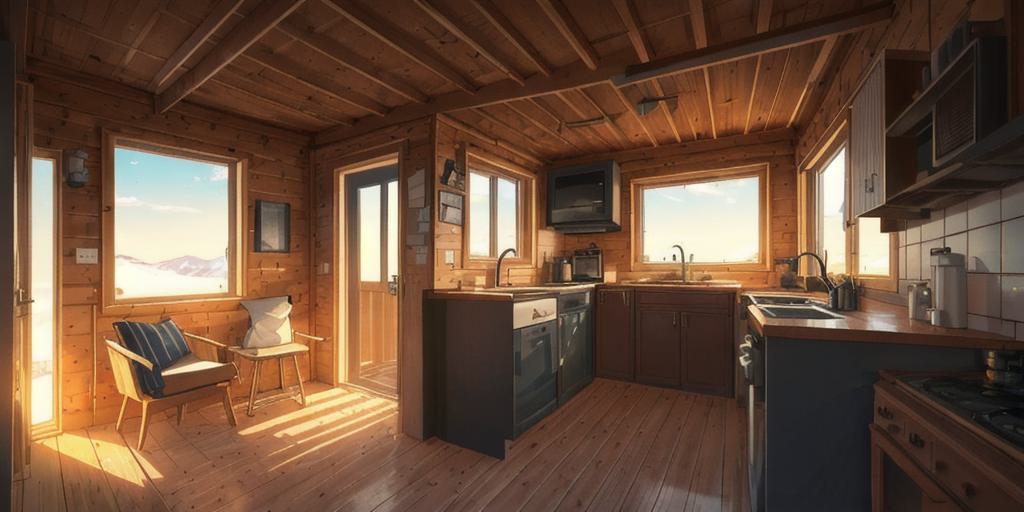
Unraveling the Mysteries of Thermal Mass
While sunlight and ventilation carry their weight in the temperature regulation of your tiny house, yet another crucial element lies in the realm of thermal mass. It’s a term that might sound technical, but its concept is simple: thermal mass is the ability of a material to absorb and store heat energy. This makes it an essential factor in a well-regulated, energy-efficient, and comfortable tiny house. (source)
Materials with high thermal mass, such as brick, concrete, and stone, can absorb heat during the day and release it at night, helping to maintain a stable indoor temperature. Conversely, materials with low thermal mass like wood or insulation can’t store much heat and are used to prevent heat transfer, keeping your tiny house cool in the summer and warm in the winter.
The Power of Passive Solar Design
When we talk about thermal mass, we can’t ignore the importance of passive solar design. This is a strategy that harnesses solar energy to heat or cool living spaces, reducing the need for mechanical heating or cooling systems. (source)
Think of passive solar design as aligning your tiny house to the sun’s patterns. By installing large south-facing windows, you can allow sunlight to penetrate deep into the space, heating the high thermal mass materials inside. As the temperature drops at night, these materials will then release the stored heat, creating a comfortable indoor climate without the need for artificial heating.
However, it’s important to balance this with adequate shading to avoid overheating in the summer months. Overhangs, awnings, and deciduous trees can provide shade during the hotter parts of the year while still allowing for solar gain in the colder months.
Integrating Thermal Mass into Your Tiny House Design
As you start to incorporate thermal mass into your tiny house, remember that it’s not just about picking the right materials; it’s about integrating them into your overall design. (source)
Consider where you place these materials in your tiny house. For example, a concrete floor or a brick wall near a window can absorb heat throughout the day and radiate it back into the house at night. Remember, it’s not just about the material itself, but how it interacts with the sunlight and the surrounding environment.
Thermal mass is not a silver bullet, but rather a tool in your temperature regulation toolbox. It needs to be used in conjunction with other strategies like insulation, ventilation, and shading to truly create a comfortable, energy-efficient tiny house. However, when done right, thermal mass can not only help regulate your tiny house’s temperature but also connect you to the natural rhythms of the sun and the seasons, creating a living space that truly resonates with your desire for a life closer to nature.