If you’re considering a homesteading lifestyle and wondering about the best jobs to get started, the top 5 are organic gardening, online entrepreneurship, animal husbandry, DIY projects and craftsmanship, and foraging and wildcrafting. These jobs not only provide a means of self-sufficiency but also have the potential to generate income. Here are some key points to consider:
- Organic gardening promotes biodiversity and can yield an abundant harvest
- Online entrepreneurship allows you to work from anywhere and aligns with the homesteading ethos of self-sufficiency
- Animal husbandry provides a sustainable source of food and income
- DIY projects and craftsmanship can save money and become a source of income
- Foraging and wildcrafting allow you to engage directly with your local environment and yield a bounty of resources
Top 5 Homesteading Jobs for Beginners

1. Organic Gardening
Embrace the earth beneath your feet and venture into the world of organic gardening. This is an opportunity to not only cultivate your own sustenance, but also to nourish the soil and foster biodiversity. By working with nature, rather than against it, you can produce an abundant harvest while enhancing the health of your homestead’s ecosystem.
Begin with easy-to-grow crops such as lettuce, tomatoes, or zucchinis. Experiment with companion planting, a strategy that pairs plants that mutually benefit each other, to maximise your yield and deter pests. Remember, in gardening, as in life, diversity is strength.
2. Online Entrepreneurship
Homesteading need not mean disconnecting from the wider world. Utilise the power of the internet to create an online business that can supplement your off-grid lifestyle. This could range from selling handcrafted goods, offering freelance services, or even creating an informative blog or YouTube channel that shares your homesteading journey.
Online entrepreneurship offers the freedom to work from anywhere, at any time, and aligns perfectly with the homesteading ethos of self-sufficiency. With the right digital tools, you can build a business that bolsters your independence while contributing value to others.
3. Animal Husbandry
Raising animals is a rewarding venture that can provide a sustainable source of food and income. Chickens, for instance, require minimal space and offer eggs, meat, and natural pest control. Goats provide milk, cheese, and can even assist with land clearance. Bees offer the sweet reward of honey and play a crucial role in pollinating your plants.
Remember that each animal species has its unique needs and demands. For successful animal husbandry, it’s crucial to understand their care requirements, potential yield, and how they can integrate into your homestead’s ecosystem.
4. DIY Projects and Craftsmanship
Living off-grid often requires a degree of resourcefulness and the ability to repair and create the things you need. This could range from building your own furniture, creating functional and beautiful items, or even upcycling found objects. Not only can these skills save you money, but they can also become a source of income. Your unique, handcrafted items could be highly sought after in the growing market for artisanal products.
Whether you’re woodworking, metalworking, weaving, or upcycling, there’s a satisfaction in creating with your own hands. In the words of the makers, these are not just projects, but expressions of self-sufficiency and creativity.
5. Foraging and Wildcrafting
Foraging is the age-old practice of gathering food and resources from the wild. It’s a way of engaging directly with your local environment and can yield a bounty of fruits, greens, nuts, and even medicinal herbs. Wildcrafting takes this a step further, incorporating these wild resources into homemade products such as teas, tinctures, and salves.
However, remember that foraging requires a deep respect for the environment and knowledge of sustainable harvesting methods. The rule of thumb is to never take more than a third of what’s available and to leave no trace of your activity.
The Benefits of Homesteading for Mental Health
A. Connection to Nature
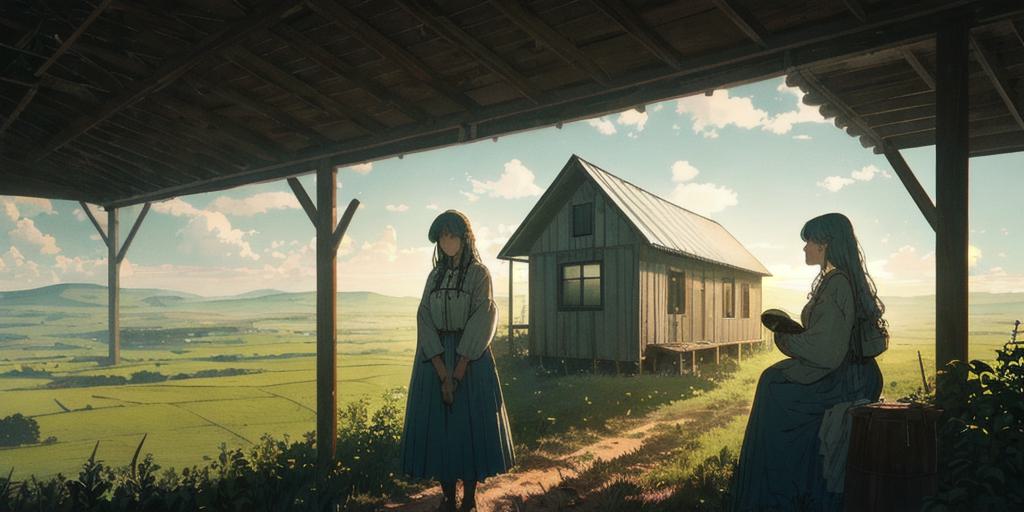
When we talk about homesteading, we are essentially talking about forging a deep, intimate relationship with nature. This bond with the natural world, according to numerous studies, is a potent source of mental well-being. By immersing ourselves in the rhythm of the seasons, the hum of life beneath the soil, and the whisper of the wind in the trees, we are tapping into a primal connection that has been largely severed in our hyper-digital age.
There is an untamed beauty to this raw, unfiltered reality that offers a sanctuary from the incessant noise of modern life. It invites us to breathe more deeply, to feel the earth beneath our feet, and to reclaim our place in the web of life. This sense of belonging not only grounds us but also fosters a profound sense of peace and tranquility.
B. Self-Esteem and Fulfillment
Homesteading is about rolling up your sleeves and diving into the beautiful mess of life. Whether you’re nurturing seedlings to life, raising animals, or setting up a sustainable system, this hands-on approach instills a sense of accomplishment that is deeply fulfilling. As research suggests, this boost in self-esteem can be a powerful antidote to the anxiety, depression, and stress that runs rampant in our modern world.
This is not about retreating from the world, but rather about reclaiming our power to shape our own destiny. It’s about stepping into our role as creators, problem solvers, and stewards of the earth. And in this process, we discover that we are more capable, resourceful, and resilient than we ever imagined.
C. Mindful Living
At its core, homesteading is a conscious choice to live more mindfully. It’s about slowing down, paying attention, and making decisions that honor the natural world and our place within it. This shift towards sustainable living, reduces waste, minimizes consumption, and cultivates a deep sense of gratitude for the simple abundance of life.
When we choose to live in this way, we are not only nurturing our own health and well-being but also contributing to the healing of our planet. This sense of purpose and connection, far from being a mere luxury, is a vital lifeline in our increasingly fragmented world.
It’s time to reimagine what it means to live a good life. It’s time to return to the land, to listen to its wisdom, and to build a world that reflects our deep interdependence. Because in the end, our health, happiness, and wholeness are inseparable from the health, happiness, and wholeness of the world around us.
How to Create a Homesteading Business Plan
Identifying Your Homesteading Business Idea
To begin your journey towards a self-sufficient lifestyle, you must first identify what type of homesteading business will suit you best. Reflect on your passions, your skills, and your resources. A successful homesteading business emerges from the intersection of what you’re good at, what you love to do, and what the market is willing to pay for. Whether it’s selling eggs, growing extra vegetables, or teaching homesteading classes, there’s a wealth of opportunities waiting for you. The Prairie Homestead offers a comprehensive list of ideas to get you started.
Developing a Sustainable Business Plan
Once you’ve identified your business idea, the next step is creating a sustainable business plan. This plan serves as your roadmap, outlining your business goals, strategies, and financial projections. Consider factors such as your target market, your unique selling proposition, and the potential obstacles you might encounter.
But remember, a plan is not set in stone. It should be flexible, allowing you to pivot and adapt as you gain more experience and the market changes. As you journey towards self-sufficiency, you’ll discover that the real power lies in your ability to learn, adapt, and grow. As highlighted in this Barakah Farm’s article , it’s about creating streams of self-sufficient income wherever you are.
Embracing a Learning Mindset
The journey of homesteading is not just about leaving the 9-5 grind, it’s about embracing a slower, healthier, and more fulfilling lifestyle. This path is not without challenges. There will be times of trial and error, of success and failure. But in every experience, there’s an opportunity to learn and grow.
Whether you’re learning how to cultivate your land, mastering the art of cheese-making, or navigating the world of online marketing, remember that every step forward, no matter how small, is progress. Check out The Happiest Camper Homestead for inspiring stories of people who turned their homesteading passion into profit.
In this journey, you’re not just building a business, you’re building a lifestyle – one that respects the rhythm of nature, values hard work, and celebrates the joy of creating with your own hands. And in the process, you’re creating a life that is not only financially rewarding but also deeply satisfying.
The Future of Homesteading: Trends and Innovations
Embedding Technology in Homesteading
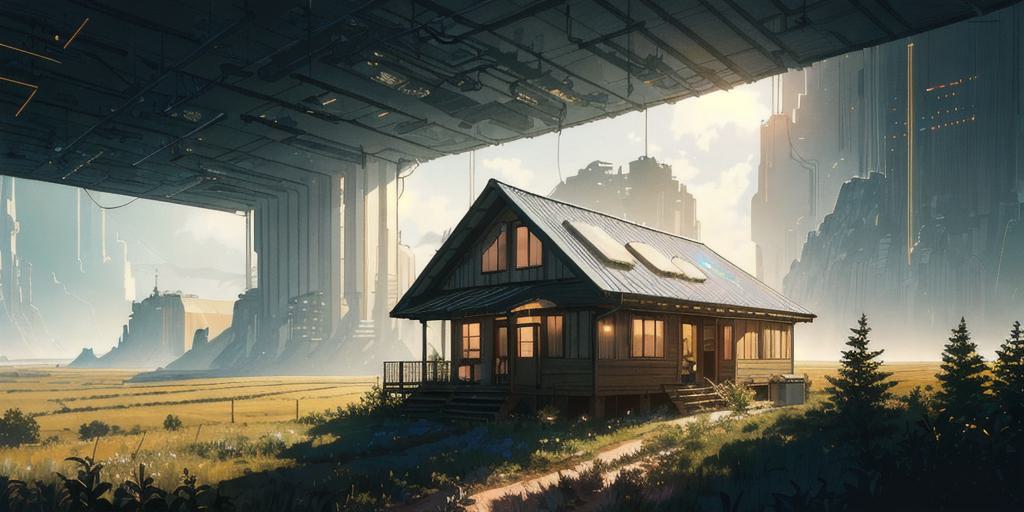
In the quest for a self-sufficient lifestyle, technology isn’t your enemy, but a powerful ally. Today, a wave of innovations is transforming the homesteading landscape, merging the traditional wisdom of living off the land with the modern conveniences of technology. This fusion is not only making homesteading more efficient but also more profitable.
From high-tech greenhouses that enable year-round cultivation to online platforms for selling homegrown produce, technology is expanding the boundaries of what’s possible on a homestead. A shining example is the story of Carson Wyatt, who turned his passion for raising beef cattle into a successful full-time business. He shares his journey and insights in his book, “Raising Beef Cattle For Beginners Guide”.
Recycling and Sustainability in Homesteading
As homesteaders, we hold a deep respect for the land and its resources. We understand the profound interconnection between our actions and the health of our environment. This understanding translates into a commitment to sustainability and recycling, making every effort to minimize waste and maximize the use of available resources.
From composting kitchen scraps to repurposing old materials for new uses, recycling is an integral part of a sustainable homesteading lifestyle. The Recycled Homesteading blog offers a wealth of ideas and inspiration on how to incorporate recycling into your homesteading journey.
Education and Skill-Building in Homesteading
Homesteading is a learning journey. It requires a diverse set of skills, from gardening and animal husbandry to carpentry and financial management. And the learning never stops. With each season, each success, and each failure, there are new lessons to be learned, new skills to be honed.
Fortunately, we live in an age of information abundance. There are countless resources available, both online and offline, that can help you acquire the knowledge and skills you need. Podcasts like the Homestead Education, offer valuable insights and practical advice for both novice and seasoned homesteaders.
Remember, building a successful homesteading business is not a sprint, but a marathon. It’s a journey filled with challenges and rewards, trials and triumphs. But with the right mindset, the right skills, and the right resources, you can transform your dream of a self-sufficient lifestyle into a rewarding reality.
Homesteading vs. Self-Sufficiency: What’s the Difference?
Unraveling the Threads of Homesteading and Self-Sufficiency
At first glance, homesteading and self-sufficiency may seem interchangeable. Both conjure images of verdant gardens, cozy log cabins, and a lifestyle far removed from the frenetic pace of city life. But delve a little deeper, and you’ll find that these two concepts, while intertwined, hold distinct meanings and implications.
The Essence of Homesteading
Homesteading, at its core, is about carving out a space for yourself in the world – a space where you can grow your own food, raise livestock, and build a home with your own hands. It’s a lifestyle choice that values self-reliance, sustainability, and a deep connection with nature. But it doesn’t necessarily mean total self-sufficiency. Many homesteaders buy certain goods from local markets, interact with their local communities, and even use the internet to supplement their income.
Take the case of the charmer from Missouri who led a double life as a farmer and orchestrated one of the biggest farming frauds in history. He wasn’t entirely self-sufficient, but he was a homesteader nonetheless.
The Pursuit of Self-Sufficiency
Self-sufficiency, on the other hand, is an economic and lifestyle goal where you strive to produce everything you need without relying on external systems or resources. It’s about achieving independence from the grid, whether that’s the electrical grid, the food supply chain, or the economic system at large.
For example, the Bristol Fish Project experimented with IBC aquaponics in a bid to create a self-sufficient system of fish and vegetable production. This project embodies the essence of self-sufficiency: creating a closed-loop system that can sustain itself without external input.
The Intersection of Homesteading and Self-Sufficiency
While homesteading and self-sufficiency are distinct concepts, they intersect in many ways. Many homesteaders strive for a degree of self-sufficiency, whether that’s growing their own food, generating their own power, or building their own homes. Conversely, those seeking self-sufficiency often adopt homesteading practices to achieve their goals. In essence, homesteading provides the physical and philosophical framework, while self-sufficiency is an aspirational goal within that framework.
However, it’s essential to remember that the journey towards self-sufficiency is a marathon, not a sprint. It requires patience, persistence, and a willingness to learn from both successes and failures. But with the right mindset and resources, it’s a journey that can bring immense satisfaction and a profound sense of connection with the natural world.
As we navigate the complexities of the modern world, the allure of homesteading and self-sufficiency grows stronger. Whether it’s the satisfaction of eating a meal made from homegrown produce, the security of generating your own power, or the joy of escaping the 9-5 grind, these timeless practices offer a path towards a slower, healthier, and more fulfilling lifestyle.
The Importance of Community in Homesteading
Crafting the Tapestry of Community
Our modern world often pushes us towards individualism and self-reliance, but the wisdom of homesteading invites us back into the fold of community. As we cultivate our land, it’s equally crucial to cultivate our relationships. Remember, we can’t live on our homesteads in isolation. There will be times when we need help, advice, or simply a friend to share the joys and challenges of our journey. As we’ve seen with the Enyart family, fostering a sense of community is an integral part of the homesteading lifestyle.
Investing Locally: The Power of Interdependence
As homesteaders, it’s important to understand the value of investing locally. The truth is, no homestead can provide everything. That’s where the local community comes in – to fill in the gaps. By building connections with local farms, producers, and other homesteaders, we not only support our local economy but also create a safety net for ourselves. In the spirit of cultivating community while homesteading, remember that our relationships with our neighbors and local businesses are just as vital to our survival and prosperity as our relationship with the land.
Fostering a Homesteading Community: The Path of Intentionality
Forming a community, however, can be a daunting task. It’s not as easy as it was on the playground as children. But it’s not impossible either. The key to building a homesteading community is intentionality. It’s about making the conscious effort to meet and get to know others in your community. It’s about shopping locally, seeking help, sharing meals, getting involved, and having fun together. It’s about finding what you can contribute to your community and making it known. As the folks at Survival Jack put it, you need to turn casual waves at acquaintances into a comfortable homesteading community. It’s about creating a network of support and camaraderie that will enrich your homesteading journey.
Remember, homesteading is not just about self-reliance; it’s also about interdependence. As we make our homes in the heart of nature, let us also make a home in the heart of our community. In this dance of give and take, of learning and teaching, of sharing and receiving, we create a tapestry of relationships that not only sustain us but also enrich our lives.
Homesteading for Survival: How to Prepare for Economic Crises
Stewarding Your Resources: The New Currency in Economic Crises
In the face of an economic collapse, traditional forms of currency may lose their value, leading to a shift in the economic landscape that pushes us back to the basics. In such times, your most valuable asset becomes what you can offer or provide. Herein lies the hidden treasure of homesteading. The skills you acquire, the knowledge you gain, and the self-reliance you develop, become your new currency. A currency that you control.
Homesteading brings you closer to the roots of trade and bartering, a system that predates currency and survived the fall of empires. It’s about transforming your skill set into valuable commodities, whether it’s growing crops, raising livestock, or mastering the art of food preservation. Every step you take towards self-sufficiency increases your worth in this new economy. As the folks at Natural News Blogs put it, “Learning as many trades as possible will give you the chance to offer other people your skill set.”
Embracing a Prepper Mindset: The Homesteader’s Advantage
Preparing for an economic crisis isn’t about stocking up on gold, silver, or even ammunition; it’s about adopting an agile mindset and a nimble lifestyle – a homesteader’s lifestyle. Homesteading is not a temporary survival tactic, but a long-term commitment to resilience and sustainability. It’s a way of life that prepares you for any eventuality, whether it’s a short-term disaster or a long-term economic collapse.
As a homesteader, you’re not just surviving; you’re thriving. You’re not just responding to a crisis; you’re anticipating it. You’re not just adapting to change; you’re driving it. This is the essence of the prepper mindset – an essential tool for navigating the unpredictable tides of economic crises, as mentioned in Survival Dan 101.
Building Your Homesteading Ark: A Safe Haven Amidst the Storm
Imagine turning back the clocks to a time when self-sufficiency was the norm, when community was the currency, and when people lived in harmony with the land. That’s what homesteading offers – a safe haven amidst the storm, a lifestyle that’s as old as human civilization itself.
In the event of an economic collapse, your homestead becomes your ark – a self-sustaining ecosystem that not only provides food, shelter, and security but also fosters community, resilience, and adaptability. It’s about creating a buffer against the uncertainties of the external world, a sanctuary where you can withstand the harshest of storms and come out stronger. As the folks at Arkhaven advocate, it’s about living there, not making a mad dash to a hoped-for safe place at the last moment.
In the dance of survival and prosperity, homesteading is your partner, leading you through the rhythm of the seasons, the melody of the land, and the harmony of self-sufficiency. In the face of economic crises, it’s not about surviving; it’s about thriving.
The Role of Technology in Modern Homesteading
Technology as the Homesteader’s Ally: Redefining Self-Sufficiency
As we move closer to nature and embrace homesteading, we shouldn’t forget the role of modern technology in enhancing our self-sufficiency. Homesteading in the 21st century doesn’t mean turning our backs on technology, but rather using it as a tool to augment our independence and streamline our labor. In the age of the Internet, we can live off the grid while still being connected.
Consider the Modern Homestead Garden. Here, traditional gardening meets cutting-edge technology. Tools like smart irrigation systems, AI-driven pest control, and automated harvesting methods ensure that our labor is efficient and our crops are plentiful. By smartly integrating technology into our homesteading practices, we can maintain a flourishing, thriving ecosystem while minimizing manual labor.
From Security to Sustainability: The Impact of Digital Innovation
Technology also plays a pivotal role in enhancing the security and sustainability of our homesteads. In this digital age, we can leverage tools such as Wi-Fi cameras and advanced security systems to keep our homes safe. As discussed in the realm of homesteading security, these technologies allow us to monitor our property remotely, ensuring peace of mind even in the most remote settings.
On the sustainability front, technology aids us in creating eco-conscious systems that conserve resources and reduce waste. From composting tools that transform our food scraps into nutrient-rich soil, to rainwater collection systems that optimize water usage, digital innovation empowers us to honor the earth and its resources while maximizing the productivity of our homesteads.
Internet Connectivity: The Homesteader’s Window to the World
Living off the grid doesn’t mean being disconnected. In fact, with the advent of the Internet, we can now enjoy the solace of rural living without sacrificing our connections to the wider world. As Vinton Cerf, a key figure in the invention of the Internet, demonstrated, this global network of interconnected computers enables us to access information, learn new skills, and even operate online businesses from our homesteads.
Internet connectivity also allows us to be part of digital communities, where we can share our homesteading experiences, learn from others, and even trade or barter goods and services. In this way, we can enjoy the simplicity and fulfillment of homesteading while staying engaged with the broader global community.
As we embrace the homesteading lifestyle, let’s not forget that technology is not our adversary, but our ally. When used wisely, it can enhance our self-sufficiency, secure our homes, promote sustainability, and keep us connected with the world. In the dance between nature and digital innovation, there’s a rhythm to be found, a balance that can make our journey towards self-reliance both fruitful and fulfilling.
Homesteading Around the World: Cultural Differences and Similarities
The Homesteader’s Journey: A Cultural Tapestry
Homesteading is not an isolated phenomenon. It’s a global movement, a symphony of individuals and communities consciously rejecting the high-speed, high-stress urban lifestyle in favor of a slower, more sustainable rhythm in harmony with nature. This mass migration back to the earth is as diverse as the cultural landscapes it traverses. So let’s take a closer look at the cultural differences and similarities in homesteading around the world.
Homesteading in Greece: The Dance of Tradition and Innovation
Let’s start our journey in the cradle of Western civilization, Greece. The Greeks, influenced by the philosopher Strabo, have long understood the importance of harmony with the natural world. Today, Greek homesteaders blend traditional practices with modern sustainable technologies to create a unique homesteading culture. They cultivate olive groves and vineyards, raise sheep and goats, and make their own cheese, wine, and olive oil. They also harness solar energy, practice water conservation, and employ permaculture principles to turn rocky hillsides into thriving food forests. The Greek homesteading ethos underscores the importance of community, family, and a deep connection to the land.
Homesteading in Canada: A Symphony of Resilience and Adaptation
Traveling north to Canada, we encounter a homesteading culture that has been shaped by a harsh climate and a resilient spirit. Canadian homesteaders are a testament to human adaptability. They’ve learned to work with the country’s diverse ecosystems, from the fertile plains of Manitoba to the rugged wilderness of Yukon. They’ve mastered the art of growing food in short growing seasons, preserving their harvest for long winters, and sustainably harvesting timber for heat and construction. The Canadian homesteading experience echoes the values of self-reliance, resilience, and respect for the land found in the country’s working-class tradition.
Homesteading in India: A Mosaic of Sustainability and Spirituality
Finally, let’s turn our gaze to India, a country where homesteading is deeply intertwined with spirituality. Indian homesteaders draw from ancient agricultural traditions, Ayurvedic principles, and a reverence for all living beings to create sustainable homesteads. They practice organic farming, rainwater harvesting, natural building, and cow-based economy. They also embrace yoga, meditation, and various spiritual practices as integral parts of their homesteading journey. The Indian homesteading narrative is a beautiful blend of sustainability and spirituality, a testament to the country’s rich cultural heritage and its commitment to a sustainable future.
As we explore homesteading cultures around the world, we’re reminded that our shared pursuit of a healthier, more sustainable lifestyle transcends geographical boundaries and cultural differences. From the olive groves of Greece to the snowy landscapes of Canada, from the lush fields of India to the rugged hills of Appalachia, homesteaders around the world are writing a new narrative of resilience, sustainability, and harmony with the natural world. This narrative, in turn, enriches the global tapestry of human experience and brings us closer to our shared dream of a better world.
The Economics of Homesteading: How to Make a Living on a Small Farm
The Alchemy of Homesteading: Transforming Labor into Freedom
Homesteading is an act of alchemy, a transformation of raw labor into a self-sustaining lifestyle that can feed the body, mind, and soul. It is a process of converting the mundane into gold, of finding significance in the daily tasks of tilling soil, planting seeds, nurturing livestock, and crafting handmade goods. It’s about the creation of a life that breaks free from the traditional 9-5 grind, embracing instead the rhythms and rewards of nature.
Tapping into the wisdom of those who have made this leap to independence, such as Sherry Thomas, we learn that competence does not always come easily. It’s a journey of trial and error, of hands-on learning, and of finding joy in the mastery of new skills. It’s about discovering that the work you do is not just a job, but a deeply fulfilling part of your life.
Skills as Currency: Trading Craftsmanship for Independence
As a homesteader, your skills become your currency. Whether it’s carpentry, animal husbandry, organic farming, or food preservation, these abilities are not only vital for your survival, they can also be leveraged to generate income. The homesteading ethos embraces the notion of becoming a jack-of-all-trades, and mastering those trades well enough to trade goods, services, or even teach others. This creates a sustainable cycle of value that can support you and your community.
As noted in the article on homesteading in Maine, many people are interested in re-learning these skills because they offer the potential to live more independently. Instead of relying on the modern conveniences that often come with hidden costs, homesteaders reclaim the power to provide for themselves, reducing their dependence on external systems.
Designing a Personal Economy: The Homesteading Business Model
Designing your personal economy isn’t about amassing wealth to retire early, but rather about creating a sustainable lifestyle that allows you to work at your own pace and on your own terms. It’s a plan that means you can both ‘retire’ early and never retire at all, because what is retirement anyway if you’re a farmer or homesteader? As described in the Small Farm Nation podcast, retirement does not mean not working; it means freedom to work as much (or as little) as you want.
Whether it’s producing food, crafting handmade goods, offering workshops or farm stays, or selling surplus power from your renewable energy system, there are countless ways to monetize a homestead. The key is to align your income and expenses, to find that sweet spot where your labor yields enough not just for survival, but also for the comforts and pleasures that make life worthwhile.
Ultimately, the economics of homesteading is not just about money. It’s about creating a life rich in experiences, relationships, and the satisfaction of knowing you are living in harmony with the Earth. It’s about crafting a lifestyle that feeds your soul as well as your body, that nourishes your community as well as your own family. It’s about making a living, and making a life, on a small farm.