Living off the grid, or a self-sufficient lifestyle, is a way of life where one is not dependent on public utilities and societal norms of consumption. This lifestyle embodies the spirit of resilience and resourcefulness, and it is as close to pure freedom as one can get in the modern world. The benefits are compelling; healthier lifestyle, preserved knowledge, healthier food, and most importantly, independence. However, the path to off-grid living is not without its challenges. It requires a shift in mindset, a willingness to embrace hard work, and a commitment to a lifestyle that can be as demanding as it is rewarding.
The key takeaways from this journey of self-sufficiency are:
- Living off-grid offers a healthier lifestyle and independence.
- It requires a shift in mindset and willingness to embrace hard work.
- Off-grid living is not necessarily about isolation, but about integrating with a community harmoniously.
- The financial aspect of off-grid living involves a dance with sustainability and affordability.
- Off-grid living is a psychological journey that challenges our perspectives and pushes our boundaries.
Living Off-Grid: The Benefits and Challenges of a Self-Sufficient Lifestyle
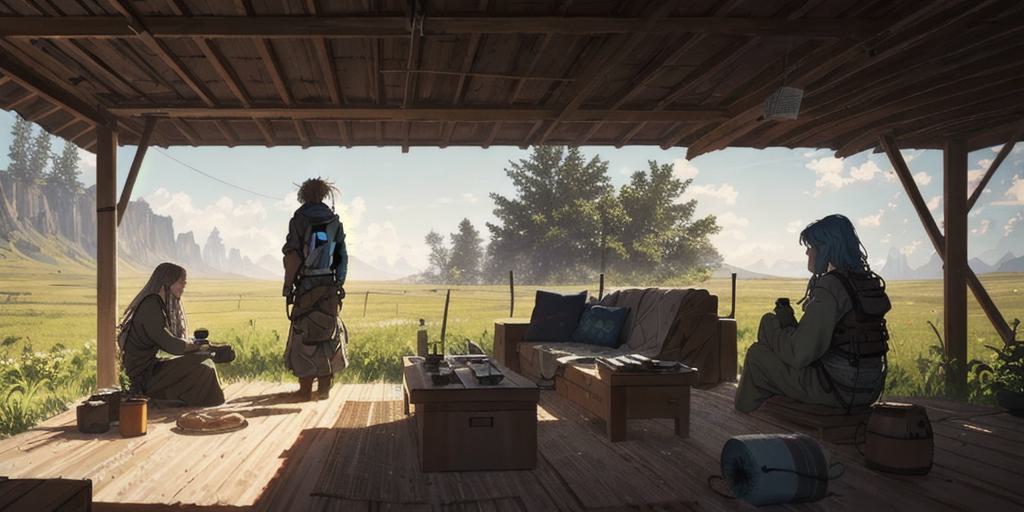
Escaping the Grid: The Self-Sufficient Lifestyle
Extricating oneself from the trappings of modern life is an alluring dream for many. Some find their Eden in a life off-grid, unshackled from the relentless demands of a 24/7 connected society. A life where the rhythms of nature replace the ticking of the clock, and the fruits of your labour rest in your hands, not in the balance of a bank account. It’s a life where you are the architect of your own existence, no longer tethered to the societal norms of consumption, instead thriving on the production of your own resources.
The Allure of Independence
Off-grid living embodies the spirit of self-sufficiency, creating a life that is less dependent on external systems which, let’s face it, can falter at the most inopportune moments. This life is a testament to human resilience and resourcefulness, and it’s about as close to pure freedom as one can get in the modern world. You’re no longer a cog in a machine, but rather the master of your own destiny, living a life that is dictated by the natural world instead of an artificial construct.
The benefits are many, and compelling; healthier lifestyle, preserved knowledge, advancement of humanity, healthier food, and most importantly, independence. But the path to off-grid living is not without its challenges. It requires a shift in mindset, a willingness to embrace hard work, and a commitment to a lifestyle that can be as demanding as it is rewarding.
Challenges on the Path to Self-Sufficiency
The reality of off-grid living is often romanticised, but the truth is that it is hard work. It requires a level of dedication and resilience that goes beyond what is required in the typical 9-5 grind. There are physical challenges, such as manual labour and the need to adapt to the vagaries of weather and seasons. There are emotional challenges too; the isolation can be daunting and the responsibility overwhelming. But for those who make it, the rewards are immeasurable.
With no rent, few bills to pay, generating your own energy, growing your own food, living off-grid can actually save you a lot of money in the long run and also contribute to a more sustainable planet. After all, living off-grid reduces energy and water usage by an estimated 90% compared to regular homes.
Ultimately, the journey towards self-sufficiency is a deeply personal one. It’s about discovering what you value most in life and being willing to put in the work to build a life that reflects those values. It’s about the satisfaction of knowing that you’ve built something with your own two hands, that you’ve created a life that is truly your own. Whether that means living in a cabin in the woods, a houseboat on a canal, or a solar-powered home in the suburbs, the choice is yours to make.
Homesteading vs. Off-Grid Living: What’s the Difference?
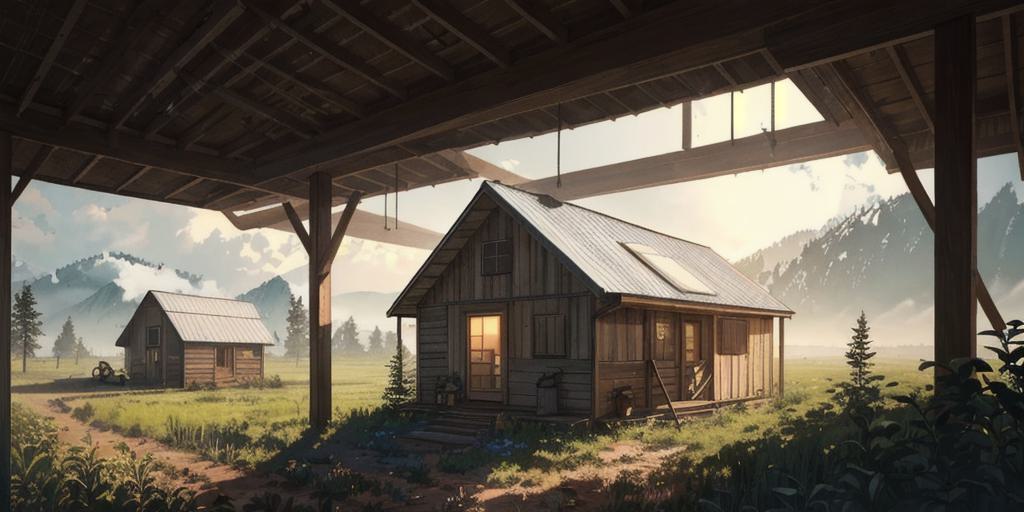
Homesteading: Rekindling the Old Ways
Homesteading has a similar ethos to off-grid living but it’s not just about independence from public utilities. It’s a lifestyle that often involves living in rural areas and embracing traditional practices that have been lost in our modern, fast-paced world. As told by a couple who have been living off-grid and homesteading for the past decade, “Our passion is to blend ‘old ways’ with a…”.
Homesteading involves getting closer to our food, preserving the old ways, and finding a balance between modern convenience and sustainable living. It’s about creating a life that not only supports your family but also contributes to the larger community. Homesteaders often grow their own food, raise animals, preserve food for the winter, make their own clothes, and even build their own homes.
Just like off-grid living, homesteading requires a lot of hard work and dedication. It’s not an easy path, but for many, the rewards far outweigh the challenges. It’s a life of simplicity and authenticity, of connection with nature and a sense of purpose that many find lacking in the modern world.
Off-Grid Living: The Ultimate Independence
Off-grid living, on the other hand, is defined by not being connected to public utilities. It’s about sourcing water and power independently and, for some, living without technology. This lifestyle is not for everyone, but for those who choose it, it offers unparalleled independence and a chance to live a life dictated by nature’s rhythms, not those of society.
Off-grid living means generating your own electricity, possibly through solar or wind power, and finding your own water source. This could be a well, a spring, or rainwater collection. It also often means growing your own food, similar to homesteading, but the main focus is on being independent from societal infrastructure.
The Intersection of Homesteading and Off-Grid Living
While homesteading and off-grid living are distinct, they share a common theme of self-sufficiency and a desire to live closer to nature. They represent two sides of the same coin, two different approaches to breaking free from the constraints of modern society and forging a path that is more sustainable, fulfilling, and true to our human nature. Both lifestyles require hard work, dedication, and a willingness to learn and adapt. But for those who choose this path, the rewards – independence, a sense of accomplishment, a connection to nature, healthier living – are immense.
Whether you choose homesteading, off-grid living, or some combination of the two, the journey is about much more than just escaping the 9-5 grind. It’s a journey of self-discovery, of shaping your world in a way that aligns with your values and aspirations. It’s about becoming the architect of your own life and finding joy and fulfillment in the simplicity and authenticity that these lifestyles offer.
The Cost of Living Off the Grid: Can You Really Save Money?
Investment in Off-Grid Living: The Initial Payout
One of the most significant hurdles when it comes to off-grid living is the initial investment. James Dainton of Commodore Australia, suggests that the cost of setting up an off-grid system, inclusive of a battery pack, can range from $20,000 to $30,000. However, compared to the cost of connecting to the grid, which can ascend to up to $80,000 depending on the location, this could be a reasonable cost for some.
Remember, this expenditure isn’t simply for the privilege of living off the grid. It’s an investment in your independence. The money you use to set up your off-grid system is money you’re not handing over to power companies. Instead, you’re investing in a system that can sustain your lifestyle for the next fifteen years without worrying about a single electricity bill.
On-Going Savings: An End to Power Bills
Once your initial investment is paid off, the cost of living off the grid often becomes significantly less than the cost of living on the grid. According to a report by Canstar Blue, the average household in regions like Queensland, Victoria, New South Wales, and South Australia spend over $1,600 each year on their electricity bills. By eliminating this recurring cost, living off the grid can save a substantial amount of money in the long run.
Moreover, it’s worth noting that certain government subsidies are available for those who install solar power, including rebates and the ability to sell clean energy certificates on the open market. These can further offset the initial cost and add to the long-term savings.
Quality Over Cost: Choosing the Right Technology
While the temptation to save money by opting for cheaper components and batteries is understandable, it’s crucial to remember that living off the grid is a long-term investment. Choosing quality, reliable technology is essential to ensure the longevity of your system and to avoid costly repairs or replacements down the line.
As Dainton notes, choosing your battery is one of the most critical decisions. Options like lithium batteries might be more expensive initially, but they offer more reliability and longevity, lasting up to 10,000 cycles. If you’re planning to live off the grid long term, investing in high-quality components like lithium batteries is worth the initial extra cost.
In essence, the feasibility of saving money by living off the grid largely depends on one’s lifestyle, needs, and the initial investment they’re willing to make. While the upfront cost can be substantial, the long-term savings, coupled with the independence and closer connection to nature, make it an enticing choice for many.
Designing an Off-Grid Home: Creating a Sustainable and Comfortable Space
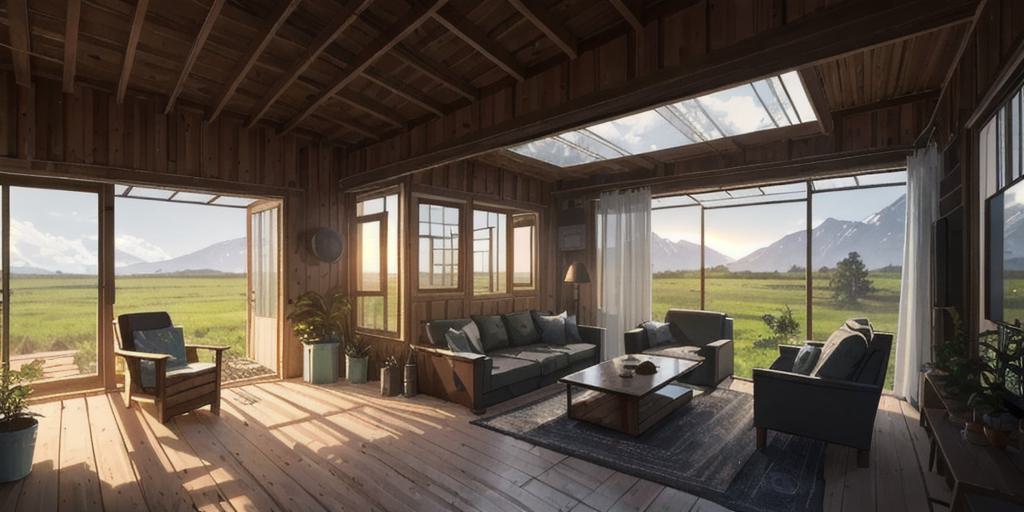
Harmony of Design: Fusing Functionality with Aesthetics
When designing an off-grid home, the key lies in blending aesthetics with functionality. This is the art of creating a living space that not only serves your needs but equally resonates with your spirit. The barndominium model offers a brilliant example of this concept, merging the rustic charm of a barn with the comfort of a condominium. Remember, off-grid does not mean off-comfort. Your home needs to be a sanctuary, a place where you feel most at ease.
Passive design techniques are fundamental to achieving this harmony. Opt for an open layout that maximizes natural light and airflow. This reduces the need for artificial lighting and cooling. Large windows and strategically placed skylights can transform your living space, creating a connection with the surrounding nature and promoting a sense of well-being. An attached greenhouse or conservatory could further enhance this connection, providing year-round food production and adding a dash of green to your living space.
Embracing Sustainability: The Art of Building Green
Off-grid living is inherently about embracing sustainability, and your choice of building materials reflects this commitment. Opt for reclaimed or recycled materials like reclaimed wood, repurposed metal, and salvaged bricks. These materials not only reduce your environmental footprint but also add unique character to your home. Moreover, sourcing materials locally can help minimize transportation emissions while supporting local businesses.
Insulation is another critical factor. Consider eco-friendly alternatives like sheep’s wool, straw bales, or recycled cellulose. These options offer excellent thermal performance, reducing your energy consumption and making your off-grid home even more sustainable. As Great Gulf Homes asserts, a truly sustainable home is one that is good for its occupants and the environment.
Powering Your Off-Grid Home: Harnessing Renewable Energy
Off-grid living relies on renewable energy sources for power generation. Solar panels are a popular choice, efficiently harnessing the sun’s energy. Consider a hybrid solar system with battery storage, enabling you to store excess energy for use during cloudy days or nights. The innovation of the Tesla power wall, for example, allows your home to run off the grid in peak times.
Pairing solar panels with a wind turbine can provide a reliable energy supply, especially in regions with consistent winds. Energy-saving appliances and LED lighting further enhance energy efficiency. Implement smart home technologies, allowing you to monitor and control energy consumption remotely.
In the grand scheme of things, your off-grid home is more than just a house. It’s a testament to your commitment to a greener, more sustainable future. It’s a bold step towards independence and a healthier, slower-paced lifestyle. And most importantly, it’s an embodiment of your values and ideals, a tangible manifestation of your desire to live in harmony with nature.
Growing Your Own Food Off the Grid: The Benefits of Organic Gardening
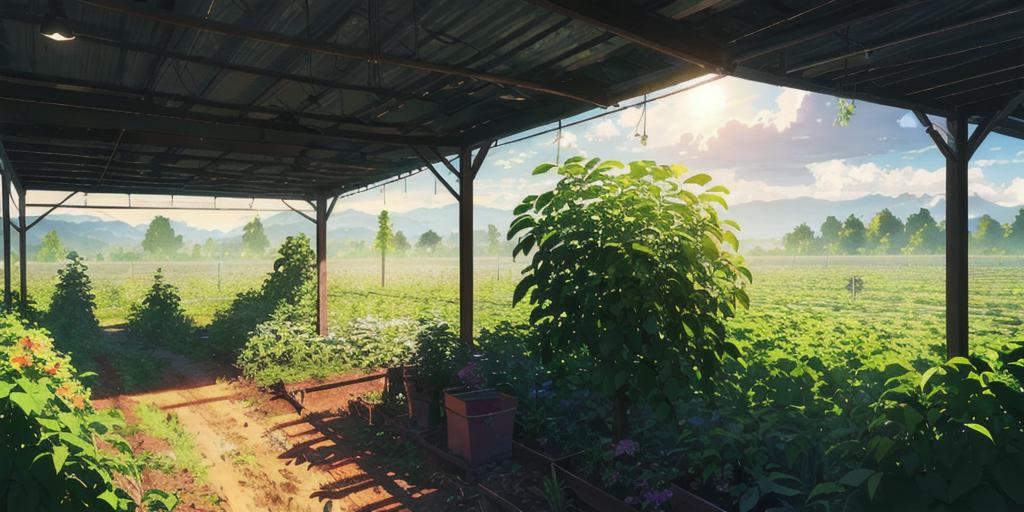
Nourishing the Soul: The Zen of Growing Your Own Food
Imagine a moment where your hands are immersed in the warmth of the earth, planting seeds that will soon sprout into a bounty of nourishment. This isn’t just gardening; it’s a profound act of self-reliance, empowering you to take the reins of your own sustenance. From the humblest herb to the most bountiful vegetable patch, growing your own food is an act of rebellion against the industrial food complex, and a leap towards a healthier, more sustainable lifestyle.
But it’s not just about the food. It’s about the activity itself. Tending to your plants, watching them grow, and finally harvesting the fruits (and vegetables) of your labor, is an exercise in mindfulness, a way to connect with the natural world, and a source of immense satisfaction.
Breaking Free from the Food Matrix: The Power of Organic Gardening
Each seed you plant is a strike against the mechanized, impersonal nature of the mainstream food system. It’s the ultimate farm-to-table experience, bypassing the long chain of processing and transportation that robs store-bought food of its vitality. The nutritional value of your home-grown produce is unparalleled, not to mention the taste. There’s nothing quite like biting into a tomato that’s still warm from the sun, picked right from your own backyard.
And then there’s the environmental impact. By growing your own food, you’re reducing the carbon footprint associated with food transportation, and if you garden organically, you’re also saying no to harmful pesticides and genetically modified organisms. It’s a way of living that’s better for you, and better for the planet. The organic prepping approach champions this ethos, emphasizing self-sufficiency and a symbiotic relationship with nature.
Starting Your Green Revolution: Tips for Growing Your Own Food
Taking the leap into organic gardening might seem daunting, but it’s easier than you might think. Start small, with plants that are easy to grow and hardy. Herbs like basil, parsley, and rosemary are great for beginners, as are vegetables like lettuce, radishes, and tomatoes. Remember to give your plants plenty of sunlight and water, and they’ll reward you with a bountiful harvest.
And don’t be afraid to experiment. Try out different crops, and see what works best for your climate and soil. And most importantly, have fun with it. Gardening is a process, not a destination. Enjoy the journey, and you’ll find that the rewards of growing your own food go far beyond the dinner plate. As you till the soil, plant your seeds, and watch your garden grow, you’re not just cultivating plants. You’re cultivating resilience, independence, and a closer connection with the natural world. And that’s something worth growing.
Solar Power vs. Wind Power: Which is Better for Off-Grid Living?
Harnessing the Sun: The Power of Solar Energy
Imagine a world where your home’s energy requirements are met by harnessing the power of the sun. Sound like science fiction? It’s not. With solar power, you’re capturing a piece of the 174 Petawatts of solar energy striking the Earth’s surface at any given moment. The key is to transform this abundant, yet diffuse, source of energy into a usable form.
Solar power comes with numerous benefits. It’s renewable, meaning it won’t run out anytime soon (at least not for another 5 billion years, give or take). It’s also clean, producing no greenhouse gases once the solar panels are installed and operating.
Living off-grid using solar power isn’t just a pipe dream. As detailed in this DIY Solar Charger guide, it’s entirely possible to charge an electric car using solar power. Imagine the freedom and self-reliance that comes with generating your own power and using it to fuel your vehicle. It’s a step towards energy independence and a more sustainable lifestyle.
The Power of the Wind: Harnessing Nature’s Breath
But solar isn’t the only game in town when it comes to renewable energy. Wind power is another viable option for those seeking to live off-grid. Wind turbines convert the kinetic energy in wind into usable electrical power. It’s a simple, yet powerful, concept: when the wind blows, you generate electricity.
Wind power has its own set of advantages. Like solar, it’s a renewable source of energy. It’s also relatively clean, although there are some environmental impacts associated with the manufacture and installation of wind turbines. However, once a wind turbine is up and running, it produces no greenhouse gases.
The choice between wind and solar power isn’t a binary one. Many off-grid dwellers opt for a hybrid system that combines the two. When the sun is shining, you generate power with your solar panels. When the wind is blowing, your wind turbine kicks in. It’s a way to ensure a more consistent power supply and make the most of the natural resources available to you.
Buying into the Grid: The Pros and Cons
Living off-grid doesn’t necessarily mean you can’t make use of the grid. Some choose to remain connected, selling excess power back to the utility company in a process known as net metering. This can be a smart financial move, reducing your power bills and even earning you a tidy sum.
However, there are downsides to remaining grid-tied. You’re still reliant on the utility company to some extent. In a blackout, for example, you might not have power, even if your solar panels or wind turbine are working perfectly. In addition, utility companies often impose restrictions on the size and type of renewable energy systems that can be connected to the grid.
The choice to live off-grid, partially off-grid, or remain fully grid-tied is a deeply personal one. It depends on your values, your financial situation, and your willingness to embrace a more self-reliant lifestyle. But whatever choice you make, know this: renewable energy isn’t just the future. It’s here, now, ready to be harnessed for a cleaner, more sustainable world.
Living Off the Grid in Urban Areas: Is it Possible?
Urban Off-Grid Living: A New Frontier
Our hyper-connected digital world seems to have made a disconnected life a distant dream. But as the winds of change blow, more people are embracing the concept of self-sustainability, even in the urban jungle. A radical shift in perspective is allowing for the possibility of urban off-grid living. It’s not merely about survival, but about thriving in harmony with the environment, and creating a symbiotic relationship with the cityscape itself.
Living off the grid doesn’t mean retreating into the wilderness. It’s about harnessing available resources, reducing dependence on external systems, and fostering a community that supports sustainable living. It’s about minimizing your digital footprint and rediscovering the power of community, resilience, and simple living.
Integration: Melding With The Urban Fabric
Remember, living off-grid in an urban area isn’t about withdrawing from society, but rather integrating with it more harmoniously. The city is teeming with resources, if only we know how to look. It’s about finding that sweet spot between self-reliance and community reliance. As Robin Speronis, host of Talk Off The Grid Living, stated, “You can be prepared wherever you are located and survive – no, thrive – quite nicely.”
Being part of a community is crucial. Organizing a community garden in your neighborhood or through your church can not only provide you with fresh produce, but also nurture communal bonds. The city can provide a rich backdrop for off-grid living, with public transportation, parks, public libraries, and other community resources providing low-cost or free alternatives to everyday necessities.
Navigating the Challenges: Embracing the Off-Grid Mindset
Of course, living off the grid in an urban setting presents its own unique challenges. From zoning laws that may inhibit your vegetable garden to the omnipresence of surveillance cameras, navigating urban life off-grid requires a certain finesse. It’s about understanding the rules, and knowing when and how to bend them. It requires a mindset that is both resilient and adaptable, ready to embrace novel solutions to everyday challenges.
Take Pascal Janin for instance, an immigrant who managed to live off-grid in an abandoned mining town. His story is a testament to the potential of off-grid living even in the most unlikely of places.
Living off-grid in the city is about thriving amidst concrete jungles, embracing the urban rhythm whilst dancing to your own tune. It’s a journey of self-discovery, resilience, and a testament to our ability to adapt and thrive. So, if escaping the 9-5 grind and moving closer to nature while staying within the city limits is your dream, know that it’s not just a pipe dream. It’s a tangible, achievable reality. It’s about making a choice, a choice to harness renewable energy, to grow your own food, to use resources wisely, and to live a healthier, slower, more fulfilling life, right here in the heart of the city.
The Social Aspects of Off-Grid Living: Building a Community
Community: The Heartbeat of Off-Grid Living
When we talk about living off the grid, it’s easy to envision a lone cabin in a remote wilderness. But this romanticized image overlooks a crucial aspect of human nature – our intrinsic need for community. We are social creatures, hardwired for connection. So when we step away from the conventional 9-5 grind, we’re not just seeking solitude, we’re yearning for authentic connections and a community that resonates with our values.
Living off the grid doesn’t have to mean isolation. In fact, the growing off-grid community offers ample opportunities for networking and mutual support. From online forums to local meetups, there are plenty of ways to connect with others, share knowledge, and form meaningful relationships. A report from Off Grid Mentor highlights the fact that the off-grid community is a supportive network that’s ever-growing.
The Financial Dance: Pursuing Sustainability and Affordability
Living off the grid is not a flight from financial responsibility, but rather a dance with sustainability and affordability. It means aligning one’s lifestyle with their values and resources. The initial investment can be a significant hurdle, but the long-term benefits can be rewarding. From renewable energy systems to organic farming, there are various sustainable solutions available that can make off-grid living financially viable.
A case study from Vice highlights the reality of off-grid living in British Columbia. The author shares the financial challenges and the hidden costs associated with it. However, he also emphasizes the sense of liberation and autonomy that comes with the off-grid lifestyle, indicating that while it may not be a cheaper lifestyle, it can be a richer one.
Legal Navigation: Understanding the Rules of the Game
Living off the grid requires a deep understanding of the local legal landscape. Zoning laws, building codes, and other regulations can sometimes be hurdles. However, these are not insurmountable obstacles, but rules of the game that need to be understood and navigated. It’s about finding creative solutions and seeking advice from experienced off-gridders or legal professionals to make your off-grid dream a reality.
In the words of Karen Madej, “Building a community of off-gridders does away with the loneliness and mixes like-minded people to share the responsibilities and the benefits.” So, as you embark on your off-grid journey, remember that community is not just a social construct, but a fundamental element of human survival and thriving.
The Psychological Challenges of Off-Grid Living: Is it for Everyone?
Journey into the Self: The Psychological Wilderness of Off-grid Living
Living off-the-grid is more than just a physical endeavour. It is, in essence, a deep dive into the self. It’s a quest for autonomy, a thirst for self-reliance, and an exploration of our very human need to connect with nature. However, this journey is not without its psychological challenges. It is not a path for everyone, and to embark on it without understanding these challenges is like stepping into a wilderness without a map.
According to a piece by Just News, the decision to live off-grid means facing a wide range of challenges, many of them psychological and social. The impact on relationships, the potential for isolation, and the resistance from those who do not understand or accept the lifestyle choice, can be daunting.
The Isolation Paradox: Seeking Solitude Yet Yearning for Connection
One of the most profound challenges of off-grid living is the paradox of isolation. On one hand, the decision to live off-grid is often driven by a desire for solitude and a break from the incessant noise of our hyper-connected world. On the other hand, humans are inherently social creatures, wired for connection. Even in our quest for solitude, we yearn for a sense of community and connection.
This paradox is further complicated by the reality that off-grid living can indeed be an isolating experience. As narrated in the New York Times review of the reality competition show “Hunted”, the participants, who are pushed to evade capture by living off-grid, experience a form of psychological warfare. The constant pressure of being alone and on the run challenges their mental and emotional resilience, turning their quest for solitude into a test of endurance.
Embracing Imperfection: Overcoming the Fear of Failure
Another significant psychological challenge that comes with off-grid living is the fear of failure. This is particularly true for those who are new to the lifestyle and are still learning the ropes. As Erin Baker’s experience in the Caterham race academy illustrates, the fear of failure can be crippling and can rob us of the joy of the experience.
The key to overcoming this fear is to embrace the idea of being average. It’s about accepting that we cannot be perfect at everything, that failure is a part of learning, and that it’s okay to make mistakes. Once we accept these truths, we can let go of the fear and allow ourselves to fully engage in the experience, making the most out of the off-grid lifestyle.
In the end, living off-grid is as much a psychological journey as it is a physical one. It challenges our perspectives, pushes our boundaries, and forces us to confront our fears and insecurities. But if navigated with understanding and resilience, it can also be a deeply rewarding experience that brings us closer to our true selves.
The Future of Off-Grid Living: Trends and Innovations in Alternative Energy
Off-Grid Energy: Harnessing the Sun’s Power
The future of off-grid living is looking brighter than ever, thanks to the surge in innovation within the off-grid solar appliance industry. As reported by GoSun Solar Products, advancements in technology have led to higher solar energy conversion rates and increased storage capacities. This rise in efficiency has made harnessing solar energy more accessible and affordable, revolutionizing the way we live off-grid. Consider the advent of portable solar panels, capable of charging electronic devices, or solar-powered water heaters, providing hot water without reliance on traditional energy sources. This shift is a testament to the power of human ingenuity in the face of necessity.
Alternative Housing: Tiny Homes and RVs
As we look towards the future of off-grid living, the concept of home is also being reimagined. The Great American RV Show, as covered by PR.com, has expanded its exhibition to include Tiny Home features. Compact, energy-efficient RV models equipped with state-of-the-art technology are being showcased alongside tiny homes, crafted with sustainability, affordability, and practicality in mind. This approach reflects a growing global trend of sustainable living, merging the appeal of RV living with the ingenuity of tiny homes. The move towards smaller, more efficient living spaces is not just a trend, but a practical, sustainable choice for those choosing the off-grid lifestyle.
Off-Grid Innovations in Urban and Developing Areas
Off-grid living is not just for the remote wilderness anymore. Urban areas are also embracing the potential of off-grid technologies, with advancements like solar-powered streetlights and smart grids optimizing energy usage. Bloomberg New Energy Finance in its Climatescope study has highlighted Tanzania as a pioneer for off-grid power systems. These developments are a testament to the potential of off-grid living in an urban context, reducing our carbon footprint, and offering independence from centralized power systems.
The future of off-grid living promises to be as diverse as it is exciting. Embracing these trends and innovations will not only benefit individuals seeking a life less dependent on traditional power sources, but it also has the potential to contribute significantly to building a more sustainable world for future generations.
Unleashing the Power of Self-Sufficiency: The Off-Grid Odyssey
Living off-grid, far from being a retreat from society, is an affirmation of personal freedom, resilience and resourcefulness. It’s the delicate dance of self-reliance and community reliance, harmonizing the rhythm of your life with the natural world.
Whether you’re nestled in a cabin in the woods, cruising in your houseboat, or thriving in your suburban home, off-grid living is about crafting a life dictated by your values. It’s a testament to human resilience, a life less dependent on external systems, and as close to pure freedom as one can get in the modern world.
Off-grid living also challenges us, requiring a shift in mindset, a willingness to embrace hard work, and a commitment to a lifestyle that can be demanding. The physical challenges can be daunting, and so can the emotional ones. But these challenges are not insurmountable. They are essential aspects of the journey towards self-sufficiency, a journey that can yield immeasurable rewards.
Financially, off-grid living is a dance with sustainability and affordability. It’s about aligning your lifestyle with your values and resources. Despite the initial investment, the long-term benefits can be rewarding. From renewable energy systems to organic farming, there are various sustainable solutions available that can make off-grid living financially viable.
Off-grid living also brings us closer to nature, fostering a symbiotic relationship with the environment. It’s about harnessing renewable energy sources, reducing our carbon footprint, and embracing a greener, more sustainable future. It’s about generating your own electricity, sourcing water independently, and growing your own food. These practices are not only earth-friendly but also a way to enrich our lives, bringing us closer to our roots and reminding us of our connection with the earth.
As the winds of change blow, more people are embracing the concept of self-sustainability, even in the urban jungle. Living off the grid doesn’t mean retreating into the wilderness. It’s about harnessing available resources, reducing dependence on external systems, and fostering a community that supports sustainable living.
Finally, living off-grid is a journey into the self, a psychological odyssey that tests our resilience and adaptability. It challenges our perspectives, pushes our boundaries, and forces us to confront our fears and insecurities. But if navigated with understanding and resilience, it can also be a deeply rewarding experience that brings us closer to our true selves.
Off-grid living isn’t for everyone. But for those who choose this path, it offers a life of authenticity, connection with nature, and a sense of purpose that many find lacking in the modern world. The future of off-grid living is promising, with the rise of innovative technologies and the shift towards more sustainable lifestyles. It’s a bold step towards independence, a healthier lifestyle, and a testament to our commitment to a greener, more sustainable future.